Iranian nuclear chief barred from IAEA conference
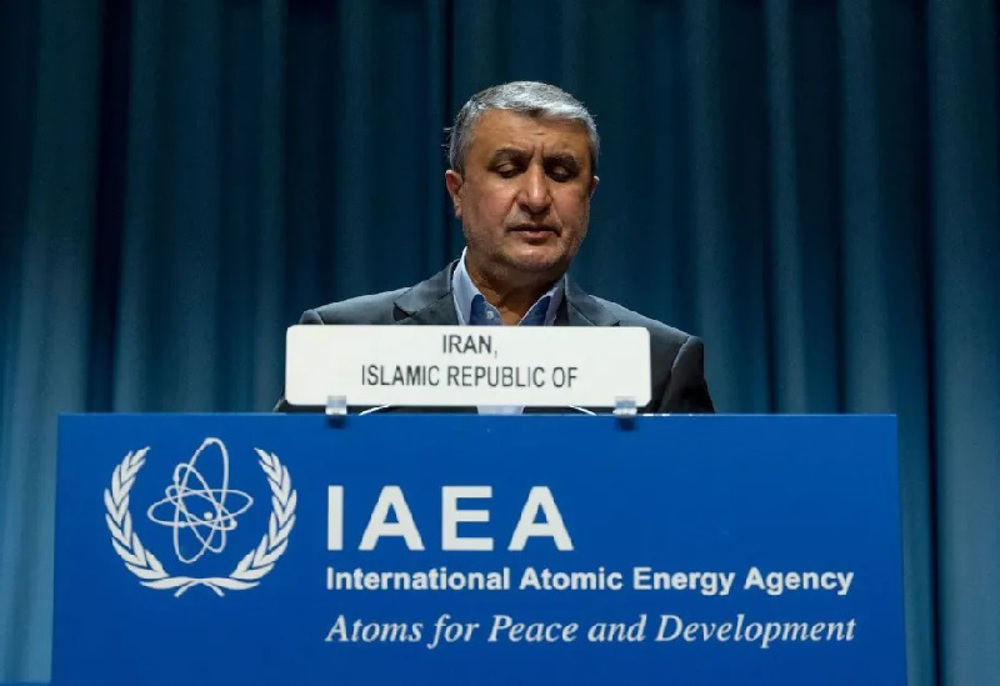
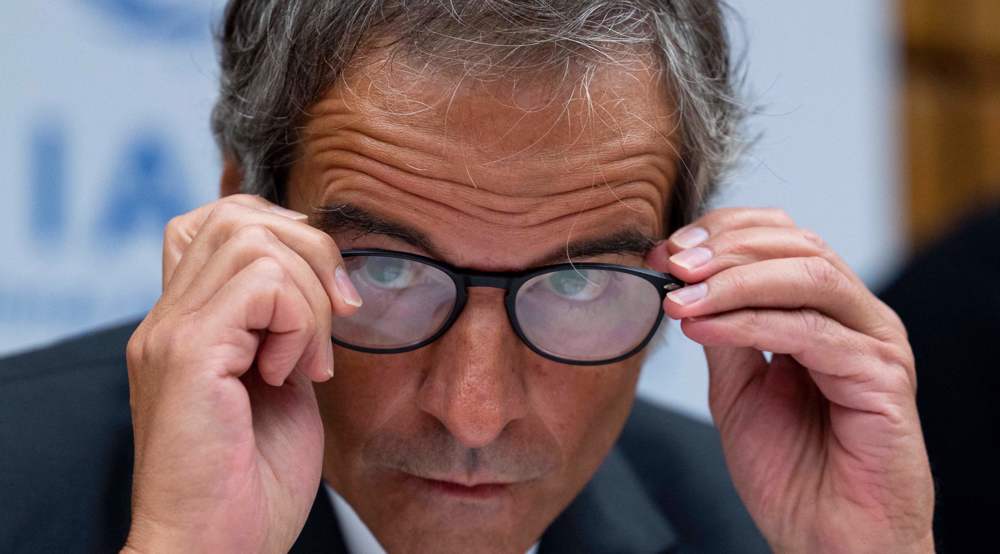
The 70th General Conference of the International Atomic Energy Agency started with a diplomatic scandal. Mohammad Eslami, head of the Atomic Energy Organization of Iran, who led the country's delegation, was barred from attending the conference in Vienna.
Austria’s status as host state to UN bodies allows it to request travel ban derogations for sanctioned officials attending international conferences, and it initially sought a UN Security Council travel-ban exemption for Iran’s nuclear chief. But the US objected.
Under pressure from the United States, the UN and Austria revoked his visa to enter the European Union, although he had been issued a valid Schengen visa weeks earlier.
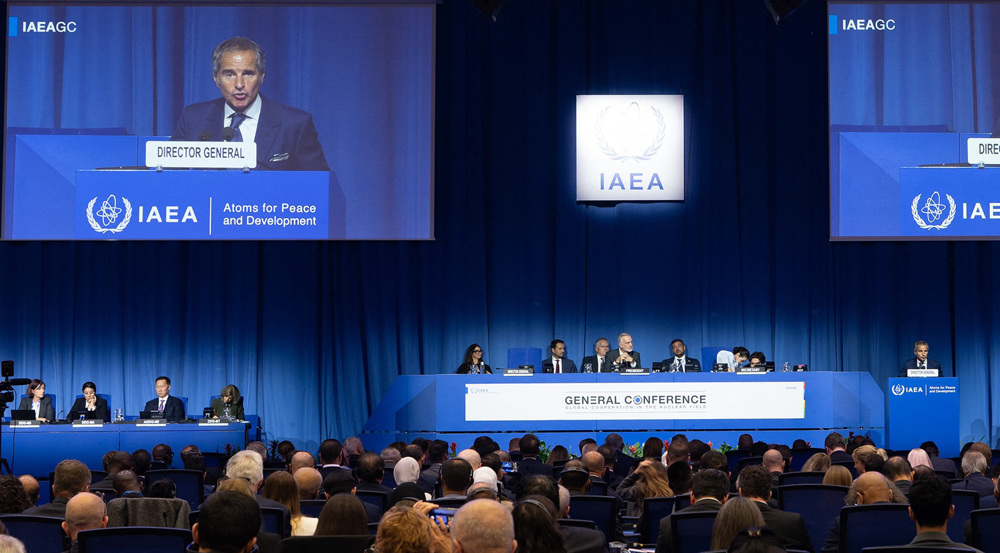
The conference started with a protest note from Iran.
Mr. President, finally, the denial of access of a head of delegation to the conference constitutes a clear abuse of power and process by the host country.
It further undermines Austria's overall standing as a host of international organizations in an impartial and professional manner, and accordingly affects the views and positions of member states with regard to the host country.
This situation, regrettably, is a consequence of the host country's failure to uphold its explicit legal obligation.
That failure cannot be justified. There is no legal basis for it.
Reza Najafi, Iran’s Permanent Representative to the UN, Vienna
Similar comments were echoed by the Russian delegation.
The Republic of Austria has grossly violated its obligations under the agreement with the IAEA regarding the headquarters of the agency in Vienna by withdrawing, at the last moment, Mr. Eslami's visa, which had already been issued.
Such confrontational steps can only further aggravate the already difficult state of affairs in relations between Tehran and the IAEA, which has resulted from the US-Israeli aggression against Iran's nuclear facilities under agency safeguards.
Mikhail Ulyanov, Russia’s Permanent Representative to the UN, Vienna
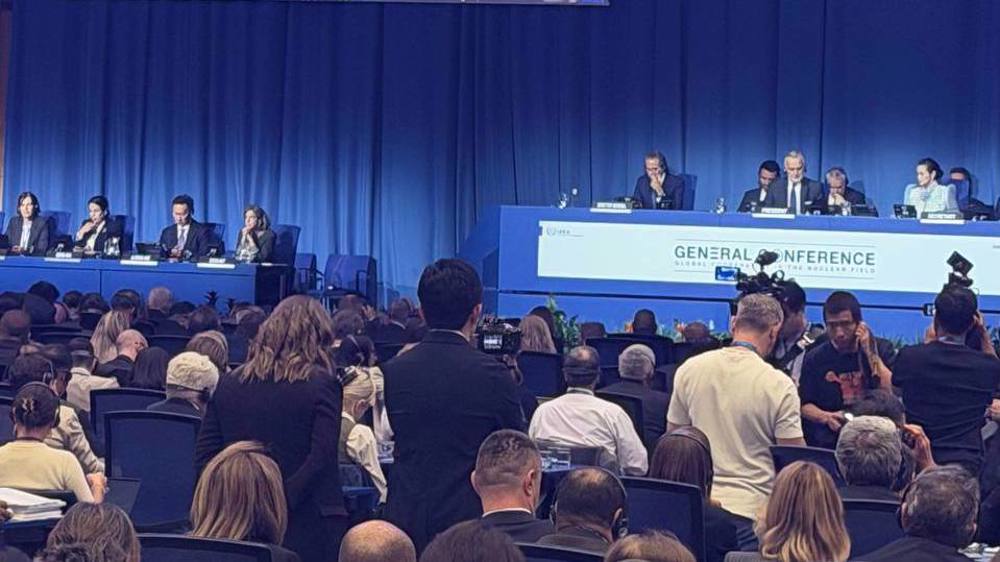
The Iranian delegation is now headed by Mr. Eslami's deputies.
It was political pressure being exerted upon the hosting Country, Austria, to prevent the travel of Mr. Mohammad Eslami to come to Vienna.
So this is, of course, (in) violation of the commitment which the Austrian country has; when you are preventing the head of a delegation to come to participate in an annual conference, it is, of course, misusing your political capacity.
Behrouz Kamalvandi, Deputy Head of AEOI
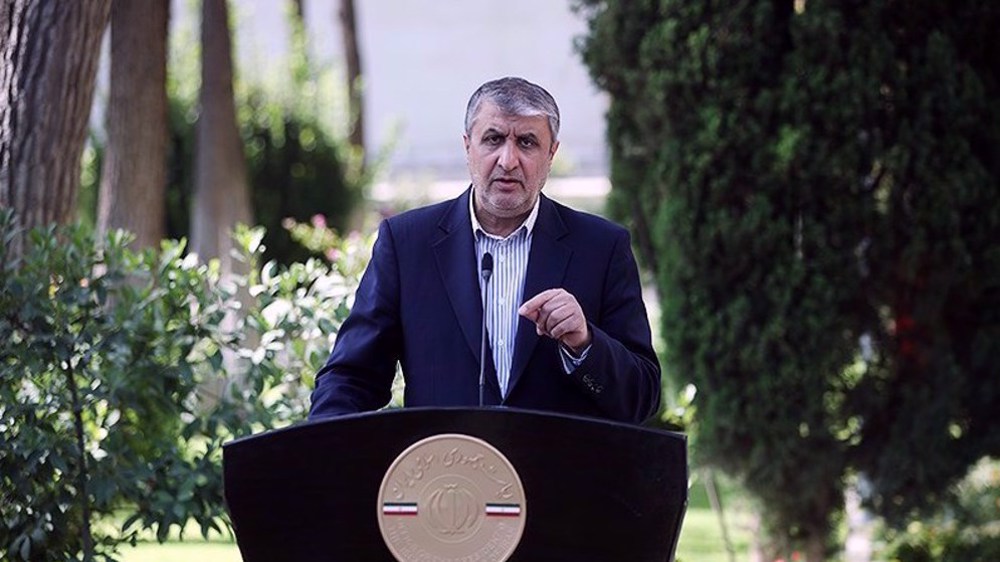
Several delegations criticized the behavior of the US and Austria in their speeches. Diplomatic sources told us that Iran, Russia, China, and several other states are expected to issue a joint statement to the General Conference in the coming days.
Several days after adopting a new anti-Iran resolution at the IAEA Board of Governors, Austria revoked the visa of Iran's nuclear chief.

The first day of the general conference highlighted the agency's deepening divisions, with the US and its European allies on one side and the majority of the rest of the world on the other.
Under Director General Rafael Grossi, the IAEA has shifted from a technical body towards a political tool which critics say is being misused by the US and its allies.
Ansarullah takes over Bab al Mandab Strait

Implication of Netanyahu's rejection of Palestine peace plan
Qazvin: Turning heritage into future growth



Iranian nation shattered aggressor’s illusions with sustained popular rallies: Parliament speaker
Saudi Arabia sought intel. assistance from Israel to confront Yemen: Report
VIDEO | Yemeni military forces liberate six coastal districts along Red Sea
Iranian nuclear chief barred from IAEA conference
Iran outlines 2026 civil defense plans for 3 scenarios, including full-scale war
US man standing trial for shooting three Palestinian students says CIA, Mossad instructed him
Iran confronts enemies no other nation dares ‘fire a bullet at’: Army, IRGC
Netanyahu fumes at Gaza exposé as ministers seek revocation of directors' citizenship





 PressTV NEWSLETTER
now
PressTV NEWSLETTER
now
 This makes it easy to access the Press TV website
