Iran outlines 2026 civil defense plans for 3 scenarios, including full-scale war
Iran has issued a directive outlining the country’s 2026 civil defense programs, with a focus on preparations for three possible scenarios: the end of war, a ceasefire, and full-scale war.
The executive directive for the 2026 observance of Civil Defense Week was issued in 10 articles by Major General Ali Abdollahi, chief of staff of the Iranian Armed Forces and head of the Permanent Committee for Civil Defense.
According to the directive, October 26 to November 2, 2026, has been designated as Civil Defense Week under the slogan “People-centered civil defense, a resilient Iran.”
The programs will focus on public preparedness, protecting people and national assets, and ensuring government support for the continuity of essential services.
The directive identifies three possible scenarios for planning: “normal conditions; the end of war,” “intermediate conditions; neither war nor peace, such as a ceasefire,” and “full-scale war.” Plans will be tailored to each scenario.
The main approach for 2026 will be to raise public awareness and provide training on the objectives, principles, and approaches of passive civil defense, particularly in dealing with emerging threats.
The programs and drills will focus on non-natural, human-made, and hostile threats, distinguishing them from crisis management related to natural disasters such as earthquakes and floods.
The directive has been issued at the national, provincial, organizational, municipal, and armed forces levels, with an emphasis on updating passive civil defense scenarios and operational plans at different levels.
It also calls for the experiences of the second and third imposed wars to be taken into account when reviewing scenarios and operational plans.
The aim is to increase public awareness, strengthen people’s practical skills in responding to human-made threats, and improve the resilience and preparedness of the country’s infrastructure.
The United States and Israel launched their illegal war of aggression against Iran on February 28.
Forty days later, on April 8, they were forced to accept a ceasefire amid Iran’s resistance, successful retaliatory operations, and a powerful grip on the Strait of Hormuz.
In July, the United States conducted waves of deadly air raids on Iran and imposed a naval blockade of the country in violation of the Islamabad Memorandum of Understanding (MoU) with the Islamic Republic, signed on June 17, to end the war.
In response, the Iranian armed forces launched devastating strikes against strategic American targets across West Asia and declared the Strait of Hormuz closed to all traffic.
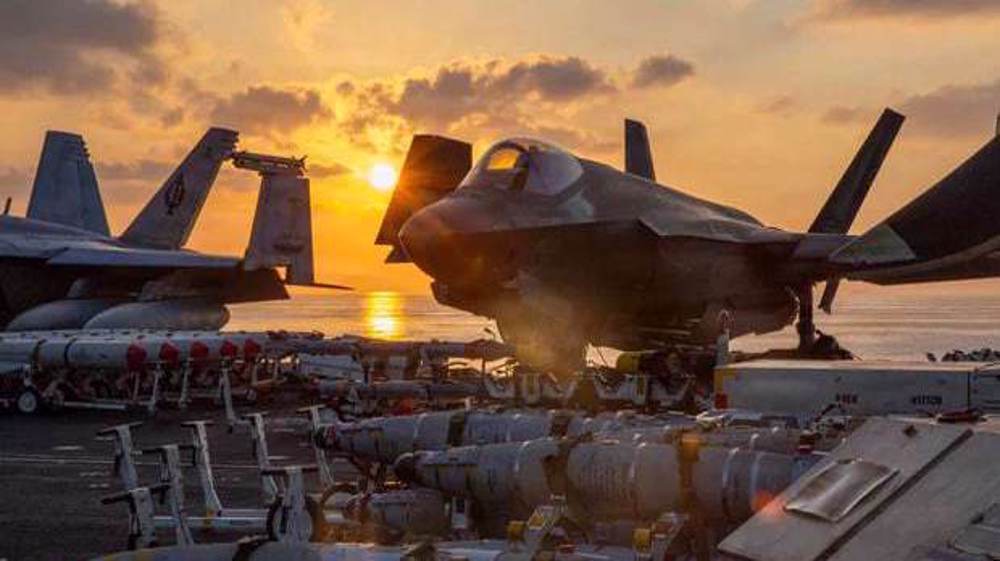
Pentagon finally admits Iran struck US F-35 fighter jet
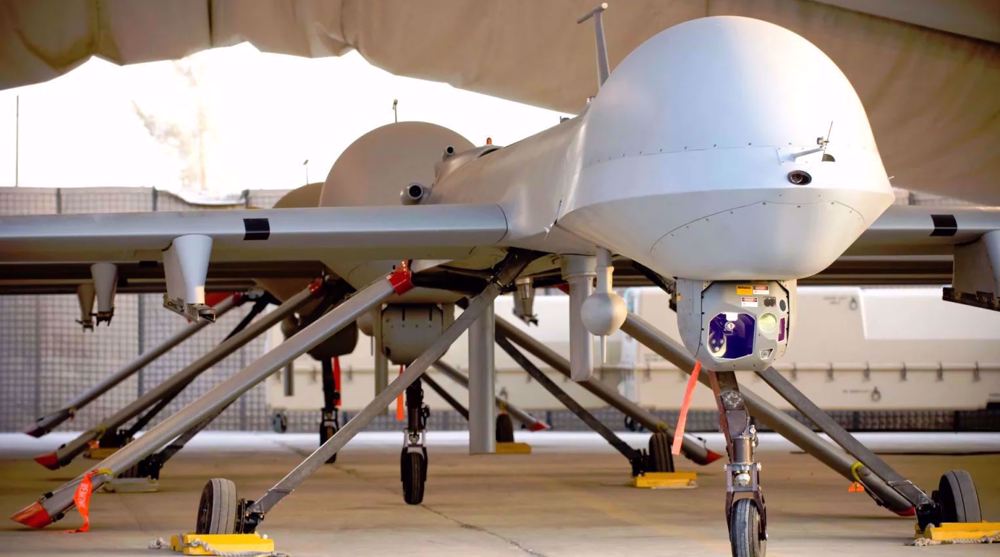
Iran downs third US MQ-1 drone over Strait of Hormuz in 24 hours
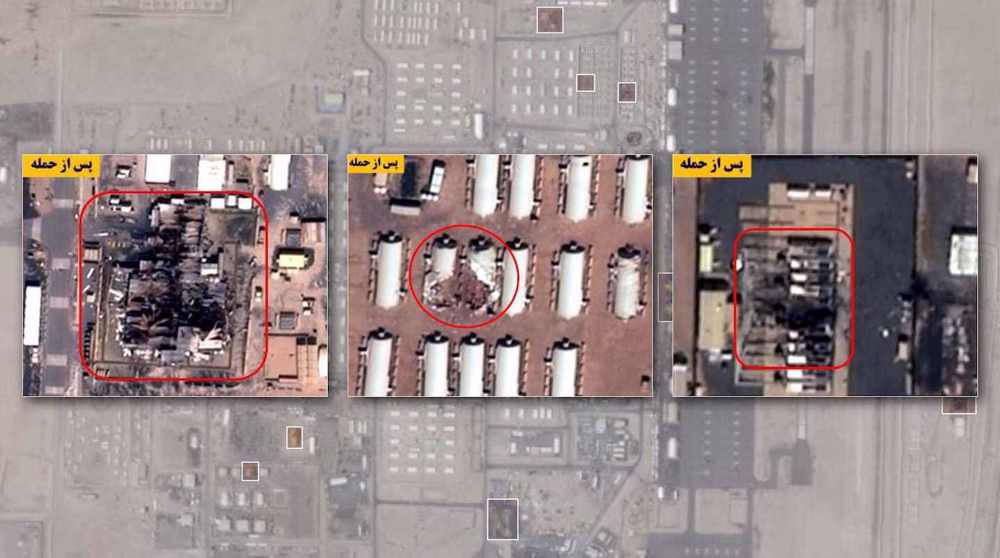
US military nearing 'breakdown' amid sustained Iranian attacks: US officials



VIDEO | Iran showcases scientific advances at IAEA conference in Vienna
No place for foreign forces in new regional order: Iran FM
US Republican lawmaker moves to impeach Hegseth over war on Iran
Top security, military brass hail 200 nights of rallies as proof of Iran’s strength
VIDEO | Sana’a has turned Saudi economic lifeline into strategic vulnerability
Yemeni army targets Aramco facilities, King Khalid Air Base in Saudi Arabia
VIDEO | Iran dismantled US-Israeli aura of power: Defense analyst
IRGC chief slams assassination of Sunni cleric in southeastern Iran, vows retaliation


 PressTV NEWSLETTER
now
PressTV NEWSLETTER
now
 This makes it easy to access the Press TV website
