Rashti embroidery showcases Iranian heritage at BRICS summit
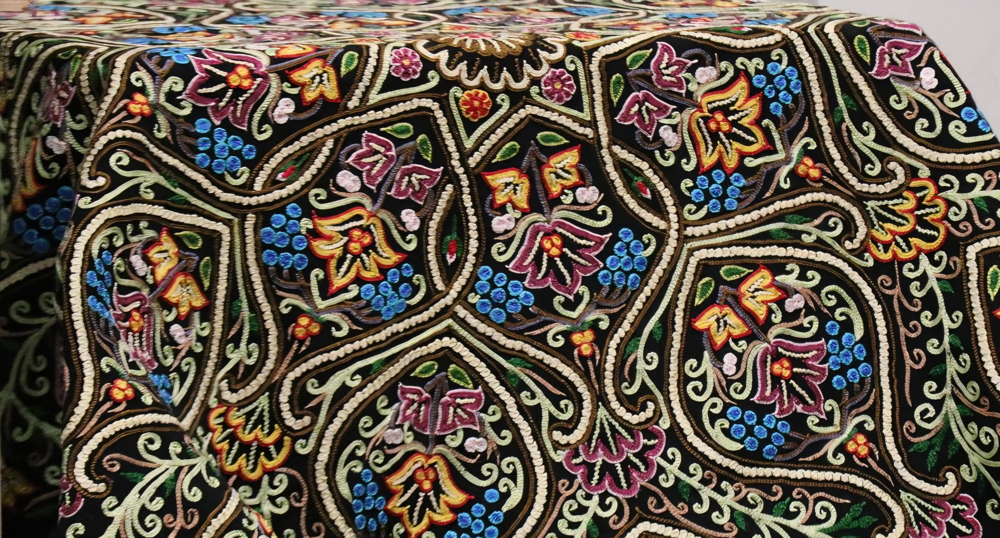
Rashti embroidery, a centuries-old traditional craft from Iran’s northern Gilan province, is showcasing the country’s rich artistic heritage to international visitors at a handicrafts exhibition held on the sidelines of the BRICS summit in New Delhi.
The five-day exhibition, running from September 10 to 15, brings together handicrafts from BRICS member states under the title “BRICS Bazaar,” with the aim of strengthening cultural and artistic exchanges and creating broader opportunities for economic cooperation among member countries.
At the entrance to the exhibition, handmade carpets from BRICS countries have been arranged in a circular display featuring a range of colors, symbolizing the cultural, ethnic and religious diversity of the grouping.
Iranian women entrepreneurs and artisans are taking an active part in the exhibition, presenting traditional crafts from across the country.
Among them is Ameneh Sedighi, an artist and instructor from Gilan, who is introducing Rashti embroidery, a traditional Iranian needlework technique known for its intricate designs and use of natural silk thread.
Sedighi said her main aim was to introduce the Iranian craft to an international audience.
“Our goal in taking part in this exhibition is to introduce Iranian traditional embroidery, particularly Rashti embroidery,” she said.
According to Sedighi, the craft dates back between 330 and 550 years before Christ and was traditionally practiced by men, although it is now mainly carried out by women.
The embroidery is made using natural silk thread produced in Gilan and a special hook used in Rashti embroidery, she said.
“We were able to introduce the distinguished art of Rashti embroidery and our country’s traditional art to visitors at this exhibition and, as always, show that we are a people with a rich culture and great artistic talent,” Sedighi said.
She also highlighted the strong response from international visitors, particularly Indians, to Iranian handicrafts, praising the support provided by the Indian hosts to participating Iranian artists.
The exhibition also highlights the cultural similarities between the handicrafts of participating countries. One of the most noticeable parallels is between Iranian and Kashmiri handicrafts.
A representative of Kashmir at the exhibition attributed the similarities between Iranian and Kashmiri arts and crafts to the close cultural ties between the two peoples.
BRICS was established in 2009 by Brazil, Russia, India and China as a platform for emerging economies to deepen cooperation and gain a greater voice in global affairs, with South Africa joining two years later.
The grouping has since expanded to include Egypt, Ethiopia, Indonesia, Iran and the United Arab Emirates, strengthening its economic and geopolitical weight and reflecting growing efforts by developing countries to challenge the dominance of Western-led global institutions.
Iranian President Masoud Pezeshkian arrived in New Delhi on Friday to attend the 18th BRICS Summit, where he is expected to engage with leaders of member and partner countries on issues of economic, political and cultural cooperation.
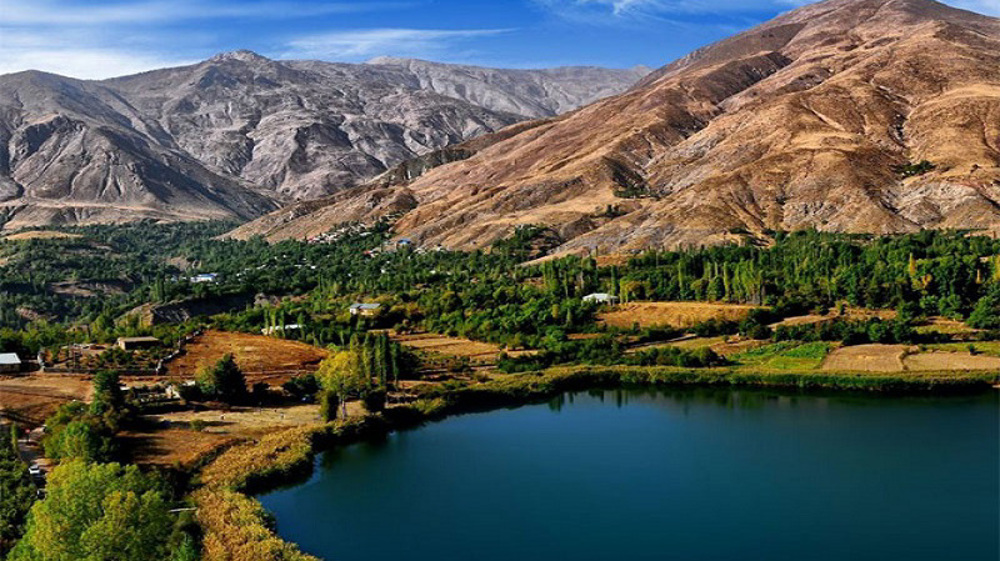
Qazvin: Turning heritage into future growth
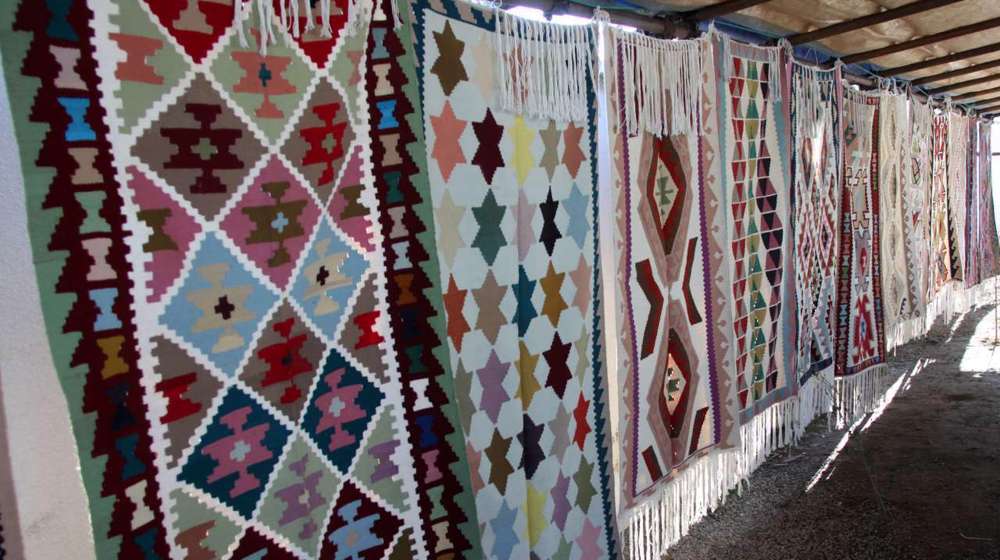
Iran’s Anbaran city moves closer to UNESCO recognition for its Kilim weaving tradition
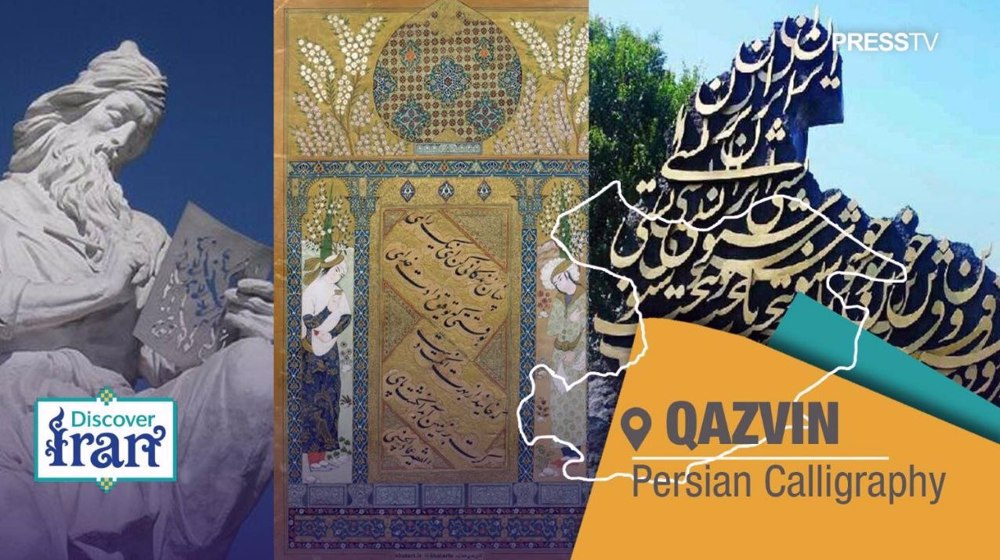
Discover Iran: Qazvin, the beating heart of Iran’s centuries-old calligraphy tradition



Yemen warns Saudi airstrikes will not go unanswered
Israeli forces raid West Bank communities as settler attacks intensify
VIDEO | Press TV's news headlines
VIDEO | Fresh US sanctions challenge Pakistan-Iran push to expand trade
'Normalization of war and genocide’ unacceptable, Irish president tells Trump
VIDEO | 'Shutdown of Saudi Arabia's pipeline reflects coordinated pressure from resistance'
Ansarullah rejects Trump’s claim it asked US ‘not to go after them’
VIDEO | US economic D-Day backfires


 PressTV NEWSLETTER
now
PressTV NEWSLETTER
now
 This makes it easy to access the Press TV website
