IAEA anti-Iran resolution illegal, political and product of US-Zionist pressure: SNSC secretary

Secretary of Iran’s Supreme National Security Council (SNSC) Major General Mohsen Rezaei has dismissed the latest anti-Iran resolution at the International Atomic Energy Agency (IAEA) Board of Governors as illegal, technically unfounded and entirely political, warning that the agency’s disruptive course will drive states away from the Nuclear Non-Proliferation Treaty (NPT).
In a post on X on Thursday, Rezaei said the measure “bearing the clear imprint of U.S. and Zionist pressure” was unacceptable and had no technical basis.
“The anti-Iran resolution adopted by the Board of Governors is illegal, technically unfounded, entirely political, and unacceptable, bearing the clear imprint of U.S. and Zionist pressure. The IAEA’s politicized & disruptive actions will push countries toward withdrawing from the NPT,” he wrote.
The anti-Iran resolution adopted by the Board of Governors is illegal, technically unfounded,entirely political,and unacceptable,bearing the clear imprint of U.S. and Zionist pressure.The IAEA’s politicized & disruptive actions will push countries toward withdrawing from the NPT.
— محسن رضایی (@ir_rezaee) September 10, 2026
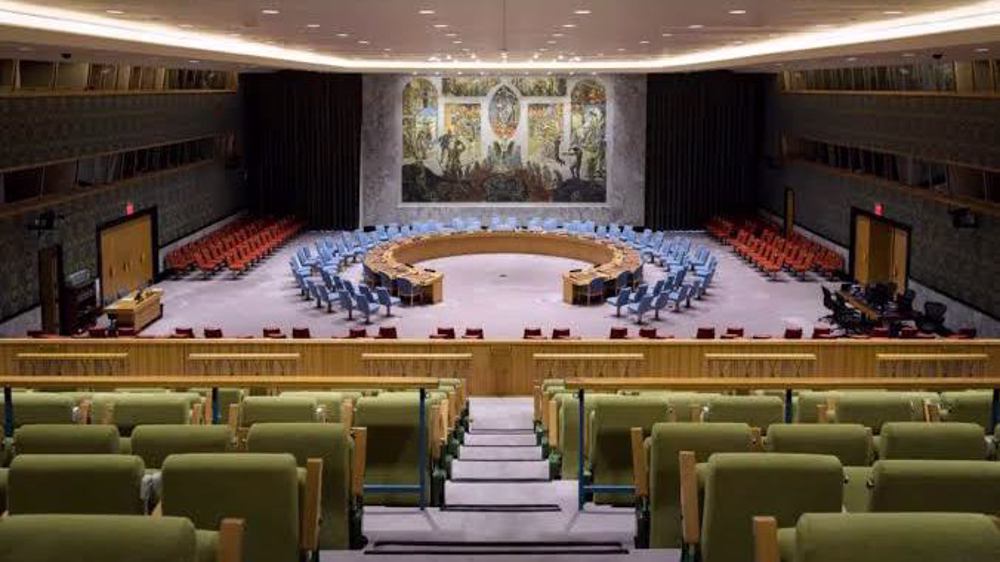
The remarks came a day after the 35-member board adopted a US-drafted resolution, co-sponsored by Britain, France and Germany, requesting IAEA Director General Rafael Grossi to report Iran to the UN Security Council and the General Assembly.
Twenty-three members voted in favor. Russia, China and Niger voted against it, while eight countries abstained. It is the first time in two decades that Tehran has been referred to the Security Council over its nuclear file.
Iran’s Foreign Ministry likewise slammed the text on Thursday, stressing that the Islamic Republic has never violated its safeguards obligations. Foreign Ministry Spokesman Esmaeil Baghaei said the resolution was forced through under pressure from the United States and European states and would only further politicize the agency and undermine the foundations of the non-proliferation regime.
Baghaei said the referral has no legal basis because Iran has committed no non-compliance. What the agency brands as “non-compliance,” he said, is the direct result of US-Israeli attacks on Iranian nuclear facilities.
The resolution demands that Tehran implement safeguards while remaining silent on the aggression that made normal verification impossible. If the IAEA had “a minimum degree of fairness,” he added, it would have condemned those strikes. About one-third of the board opposed or withheld support, and the text was not adopted by consensus.
Iran’s mission to the United Nations in Vienna had already denounced the non-consensual vote on Wednesday, arguing that it “facilitates further erosion and ultimate collapse of the proliferation regime as a whole.”
Deputy Foreign Minister Kazem Gharibabadi said Western powers had inverted accountability. “They attack Iran’s safeguarded nuclear facilities, disrupt the normal verification process, and then use that very disruption as a pretext for issuing a resolution in the Board of Governors,” he said.
Iran’s ambassador to the UN in Vienna, Reza Najafi, dismissed the document as a “political tool” and said Tehran would cooperate only “to the extent that circumstances and safety permit.”
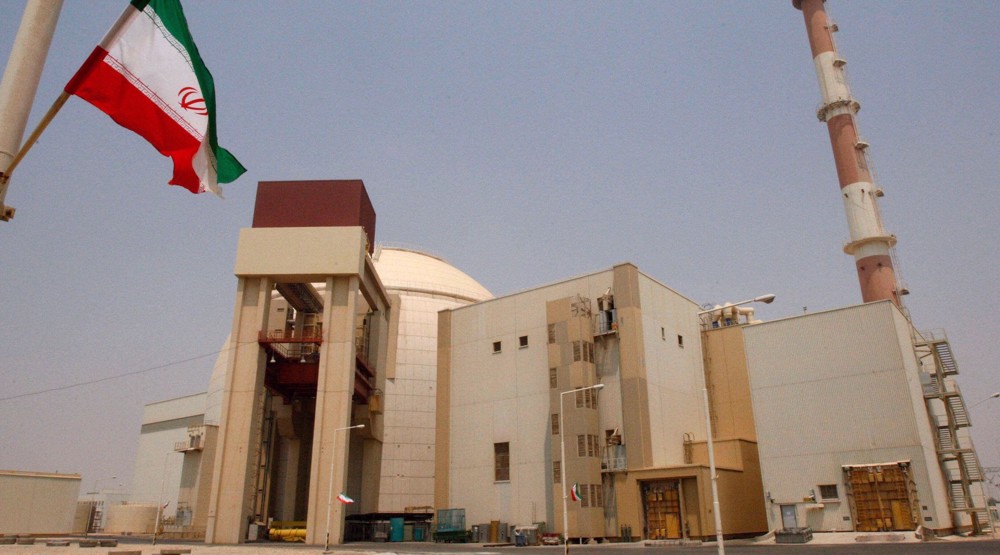
The IAEA has not had access to key Iranian nuclear sites since the US-Israeli military offensive of June 2025, which struck safeguarded facilities at Fordow, Natanz and Isfahan.
Access remained blocked after a broader war that erupted in February 2026. Before those illegal attacks, the agency had access to the sites. Iran has repeatedly condemned the IAEA’s “dangerous and deliberate silence” over the strikes, which Tehran says violate the UN Charter, international law and the NPT itself.
Iranian officials maintain that its nuclear program is exclusively peaceful and that there has been no diversion of nuclear material after more than two decades of inspections. Officials argue that the Board of Governors has been instrumentalized by warmongers who praise “diplomatic solutions” in Vienna while resorting to the unlawful use of force.
New resolution and UNSC referral show IAEA continues to be weaponized by US, Europe against Iran
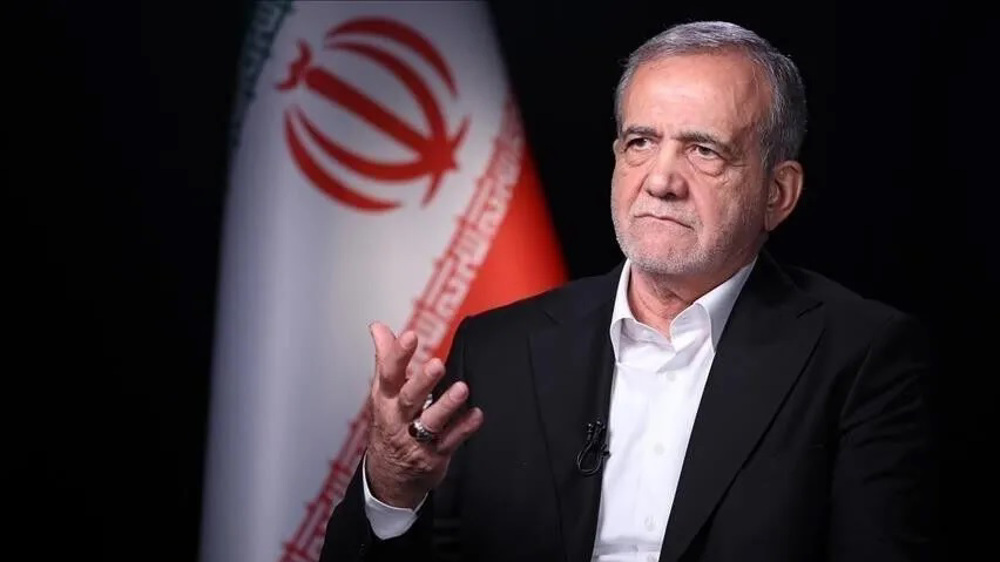
Pezeshkian: If Iran sought nukes, it would not have joined NPT
Russia’s Rosatom says Iran remains top priority in West Asia



Iran unveils two locally-made strategic catalysts for oil, gas and petchem industries amid sanctions
Israeli war minister threatens to ‘eliminate’ anyone who approaches southern Lebanon heights
Israeli minister vows to revoke filmmakers’ citizenship over award-winning Gaza documentary
US complicity in Gaza genocide must stop: Lawmaker
Satellite images reveal extensive damage to key Saudi oil pipeline as supply fears mount
Yemeni Armed Forces launch fresh retaliatory strikes on Saudi targets
VIDEO | Press TV's news headlines
VIDEO | Iraq’s fuel crisis deepens amid supply disruptions


 PressTV NEWSLETTER
now
PressTV NEWSLETTER
now
 This makes it easy to access the Press TV website
