
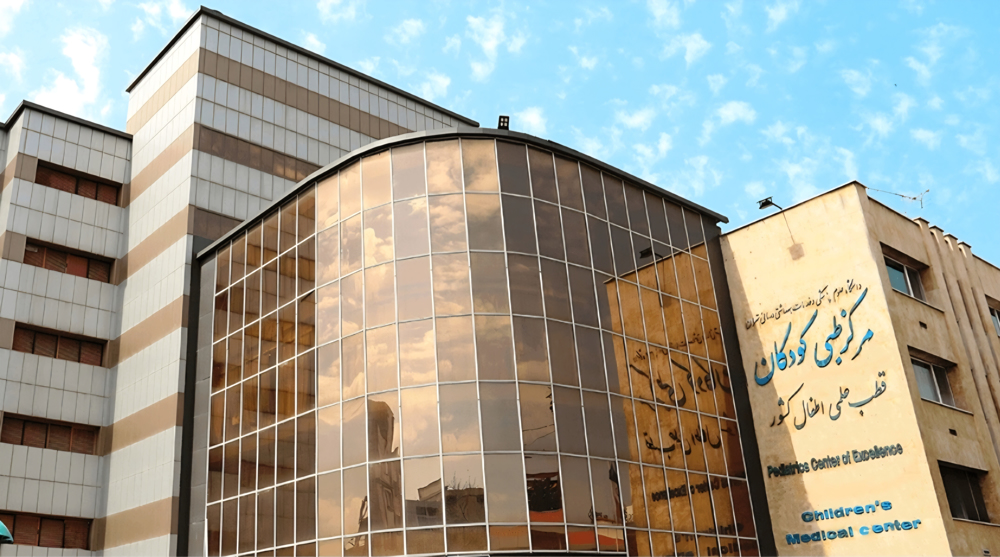
Iranian doctors and specialists using stem cell transplantation have given more than 2,000 children suffering from severe and life-threatening diseases a new chance at life, with some patients who had exhausted other treatment options being restored to normal life.
The specialists have successfully treated more than 70 types of serious childhood diseases through hematopoietic stem cell transplantation, according to Dr. Amir Ali Hamidieh, head of the Innovation Center for Stem Cell and Regenerative Medicine and head of the Pediatric Transplantation Department at Tehran’s Children’s Medical Center.
Hamidieh said his team has been working in the field of pediatric blood disorders and cancer for more than two decades, with a particular focus on hematopoietic stem cell transplantation.
“I have been working with blood disorders, cancer and serious pediatric diseases for 25 years, and for about 20 years I have focused exclusively on hematopoietic stem cell transplantation,” Hamidieh said.
He added that his team has performed more than 2,000 stem cell transplants for children suffering from a wide range of serious diseases.
“More than 2,000 transplants have been performed in the pediatric field, involving around 70 types of serious diseases for which patients are referred to us,” he said.
According to Hamidieh, these diseases fall into six major categories, including malignant blood disorders, life-threatening non-malignant blood disorders, inherited immune deficiencies, metabolic diseases, solid tumors and autoimmune diseases.
Children are referred for transplantation from several pediatric subspecialties, including immunology, rheumatology, hematology, oncology, neurology and endocrinology, he said.
Hamidieh added that stem cell transplantation can also offer hope to patients for whom conventional treatments have been exhausted.
🇮🇷 Iran First - Iran’s stem cell revolution: Global leader in cord blood storage, regenerative medicine
— Iran First (@IranFirst_PTV) November 19, 2025
Iran ranks second globally in umbilical cord blood storage, pioneering stem cell therapies through decades of research.
By Ivan Kesic#IranFirst🇮🇷 pic.twitter.com/FinSE1FhEK
“Many patients who have undergone all available treatments and whose chances of survival are considered to be zero can also be brought back to life,” he said.
He also emphasized the growing importance of genome editing as a technology that will shape the future of medicine, alongside artificial intelligence and quantum technologies.
“Three technologies will shape the future of the world: artificial intelligence, genome editing and quantum technology. Genome editing is part of our responsibilities, and its importance for Iran’s future is no less than that of artificial intelligence,” Hamidieh said.
Iran’s development of pediatric stem cell transplantation dates back to 2007, when the country’s first separate and independent pediatric stem cell transplantation unit was established at Tehran University of Medical Sciences.
The unit’s performance in its early years helped Iran gain international recognition in the field and become a member of international transplant organizations and networks across Asia, Oceania and the Americas.
The Pediatric Transplantation Department at Tehran’s Children’s Medical Center began its activities in 2017.
Iran has since emerged as a regional hub for stem cell science and regenerative medicine, with Iranian specialists continuing to expand the use of advanced cell-based treatments for children with life-threatening and difficult-to-treat diseases.
 This makes it easy to access the Press TV website