
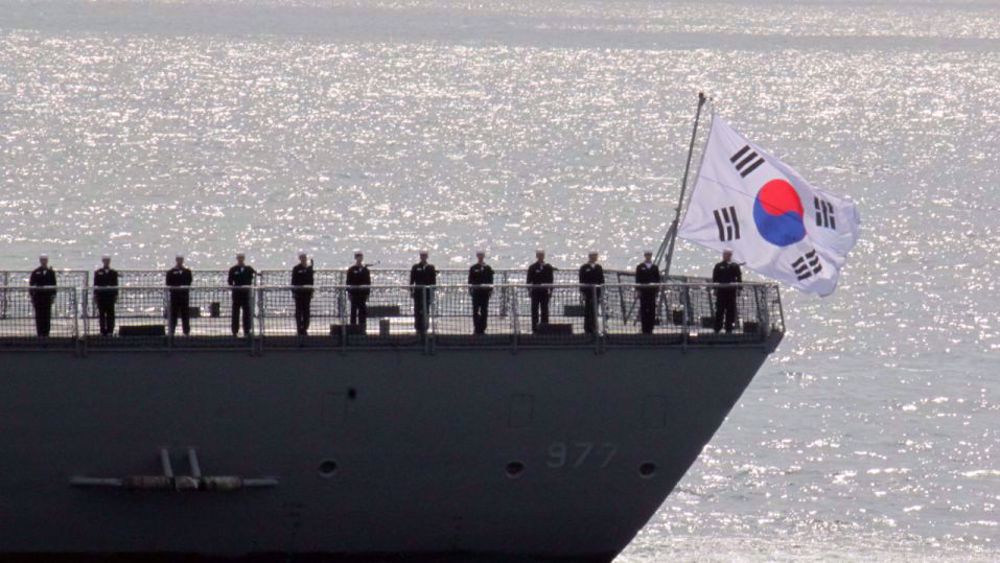
South Korea is flirting with the idea of deploying military assets to the Persian Gulf, despite Seoul’s earlier reluctance to join the US-led military adventurism against Iran, as pressure from Washington appears to be pushing the country toward reconsidering its position.
A senior official from the South Korean presidential office, however, said on Friday that no final decision has been made on whether the country will deploy military forces to the strategic waterway, stressing that Seoul is still reviewing its available options.
The unnamed official said any involvement in the American aggression could be managed within limits that would not compromise South Korea’s military readiness, Yonhap News Agency reported.
The official also sought to play down reports suggesting that Seoul had already decided to dispatch forces, saying references made during Thursday’s briefing to possible military role—including combat participation, non-combat roles and search operations—were only general descriptions of options under consideration.
“Nothing has been decided yet concerning actual contributions,” the official said.
The clarification came after South Korean media outlets, including JTBC, reported on Thursday that Seoul was preparing to dispatch military assets to West Asia before the end of the year and could seek parliamentary approval as early as this month.
The reports have raised concerns that South Korea, which had initially indicated that it would not join Washington’s military campaign against Iran, may now be yielding to mounting pressure from US President Donald Trump.
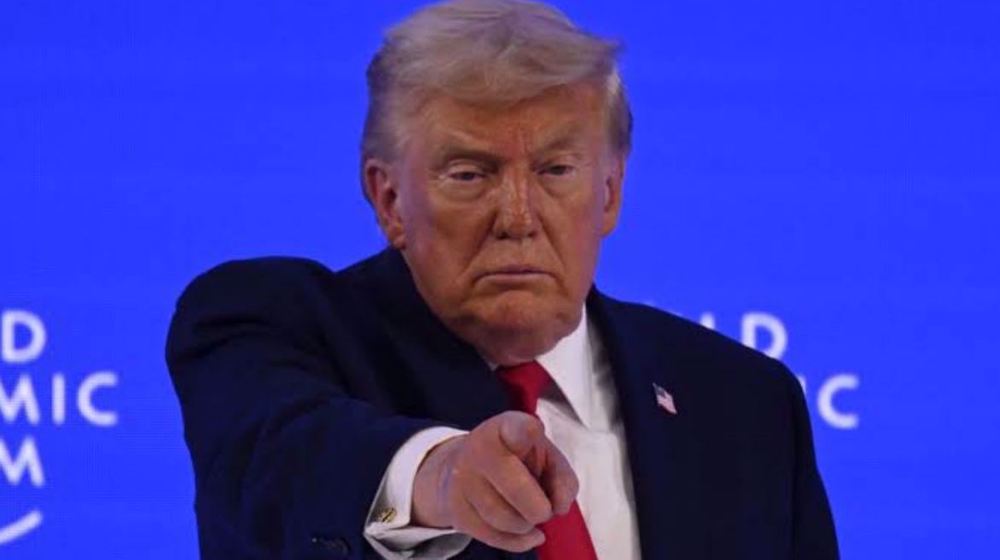
Trump has openly lashed out at Seoul over its refusal to participate in the war, saying he had scaled back joint military exercises with South Korea partly because the country had declined to help Washington in its terrorist military campaign against Iran.
The possibility of a South Korean deployment therefore represents more than a routine discussion about maritime security.
It points to the pressure being exerted by Washington on its allies to assume a greater role in a war that Seoul had previously appeared reluctant to enter.
For Seoul, however, any decision to deploy military assets in or around the Strait of Hormuz carries significant political and security implications.
Iran has repeatedly warned countries against becoming involved in US military adventurism, particularly those that could facilitate or support American military operations against the Islamic Republic.
South Korea is also confronting a difficult distinction between protecting commercial shipping and becoming directly or indirectly involved in the US military campaign.
While Seoul could frame any deployment as a maritime-security or search-and-rescue mission, Tehran could view the presence of foreign military forces in the area differently, particularly if those forces contribute to the US campaign to pressure Iran or challenge its control over the waterway.
The issue has become particularly sensitive since Iran imposed restrictions on transit through the Strait of Hormuz following the US-Israeli aggression against the Islamic Republic.
Tehran has maintained that restrictions on the strategic waterway are linked to Washington’s compliance with the terms of the Pakistan-brokered memorandum of understanding reached in June.
South Korea must therefore weigh pressure from its most important military ally against the potential consequences of becoming involved in a confrontation with Iran.
Any move that places South Korean military assets alongside a US-led operation could expose Seoul to retaliation or diplomatic and economic consequences, while also risking its stated objective of keeping its forces focused on the security situation on the Korean Peninsula.
 This makes it easy to access the Press TV website