
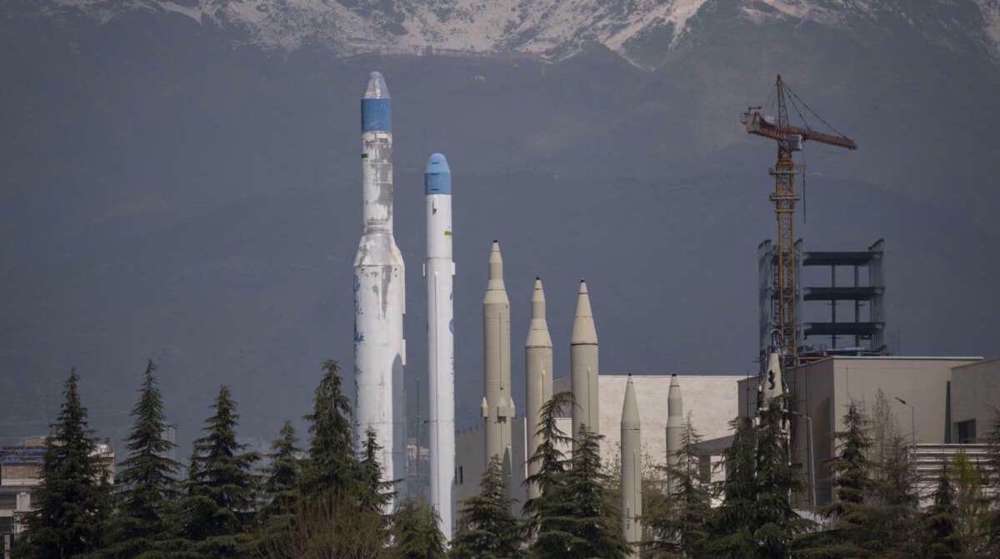
Iran is preparing to launch the indigenous Pars 2 satellite and the first units of the Martyr Soleimani satellite constellation, says the head of the Iranian Space Agency (ISA).
The launch signals a major acceleration in the orbital and telecommunication capabilities of the Islamic Republic.
Speaking on the sidelines of the Elecomp exhibition in Tehran, ISA Chief Hassan Salariyeh confirmed that multiple satellites are currently in the launch queue, marking a significant milestone for the nation's aerospace sector.
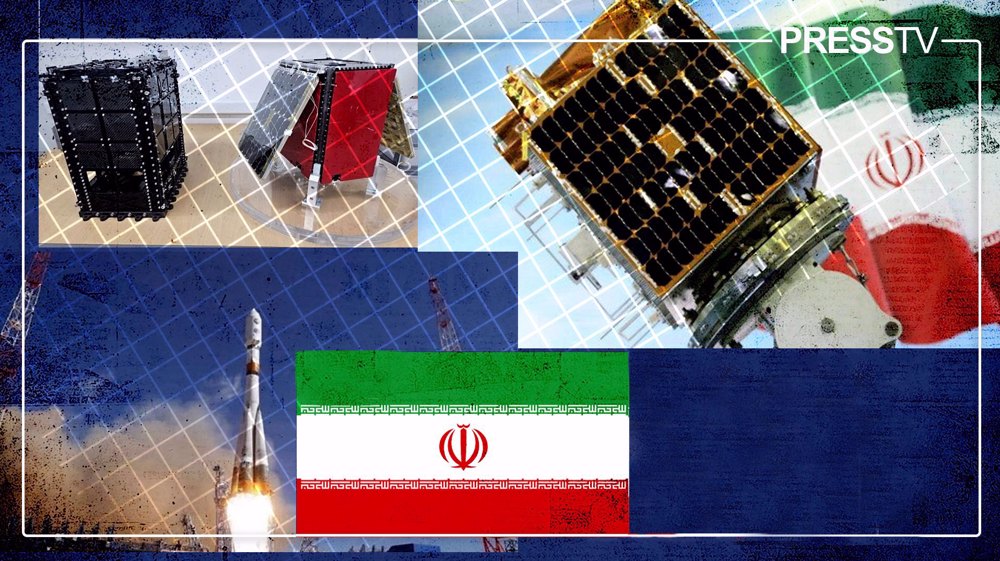
"The Pars 2 satellite, which was unveiled last year, is currently ready for launch," Salariyeh stated. "Additionally, prototypes of the Martyr Soleimani constellation, some of which were unveiled last year and others that will be unveiled this year, have also reached launch readiness."
The Martyr Soleimani constellation is an ambitious project comprising 24 satellites designed to provide narrowband communication services across the country.
Salariyeh said the ISA plans to officially unveil more units of this network later this year before moving forward with their orbital deployments.
While several satellites are in the final stages of preparation, the ISA chief explained that exact launch dates are deliberately kept under wraps until just before the event.
This protocol ensures that engineers have ample time to conduct rigorous compatibility tests between the satellite payloads and their designated launch vehicles, allowing for the resolution of any last-minute technical anomalies.

Beyond the Soleimani network, the ISA is actively pursuing several other advanced projects. These include the Pars 3 satellite, currently being developed by the Iranian Space Research Center, the Nahid 3 telecommunications satellite, and various new Earth observation (sensing) missions.
Salariyeh also highlighted the growing role of Iran's private sector in the aerospace industry.
He pointed to the Kowsar satellite, noting that its second-generation model was successfully launched last year.
"More advanced versions of the Kowsar satellite, along with other upcoming models, are currently in the pipeline," he said. "In the near future, tenders for their construction will be held and awarded to the private sector, further integrating domestic tech companies into the national space program."
Khayyam satellite powers national mapping project
Transitioning to the practical, terrestrial applications of Iran's space assets, Salariyeh detailed the ISA’s crucial role in the national GNAF project, a massive initiative to create a standardized, location-based national address database.
The ISA is utilizing high-resolution imagery captured by the Khayyam satellite to update and modernize the country's geographical maps.
According to Salariyeh, Khayyam's precise imaging capabilities have been particularly vital for mapping rural and remote areas that have historically lacked up-to-date cartographic data.
"Last year, we delivered a significant portion of the required imagery, about 50 percent of what was needed for the map updates," Salariyeh said.
"So far this year, we have delivered 25 percent of the required images to the National Post Company to keep the project on track."
The continuous deployment of indigenous satellites and the expansion of constellations such as Soleimani underscore Iran's determination to achieve self-sufficiency in space technology, secure its telecommunications infrastructure, and leverage orbital assets for domestic development despite years of international sanctions.
 This makes it easy to access the Press TV website