

By Yousef Ramazani
In the early hours of September 2, 2026, the Islamic Revolution Guards Corps (IRGC) and the Iranian Army launched a coordinated wave of missile and drone strikes against American military positions across Jordan, Kuwait, Bahrain, Iraq, and the United Arab Emirates, exacting a heavy toll on US forces in retaliation for the bombing of southern Iran.
The latest round of Iranian retaliation came after US military struck a residential building in Kouhestak, Sirik County, Hormozgan Province, where a wedding celebration was taking place, killing at least five people, including a child and wounding 68 others.
The US military also targeted a civilian airport, fishmeal factory and power grids in southern Iran in a desperate military aggression drawing widespread condemnation.
The attacks revived harrowing memories of the brutality inflicted by the US-Israeli war machine on civilian targets across Iran during the earlier phase of the American-Israeli aggression, including the Minab school massacre and the Lamerd sports hall strike.
Iran's armed forces responded swiftly and decisively with combined missile and drone operations targeting American bases and assets across the region, inflicting extensive damage on their infrastructure, equipment, and personnel.
The strikes demonstrated Iran's ability to reach US positions far beyond the Persian Gulf, shattering the assumption that geographical distance could provide sanctuary for US forces.
Broader context
The latest round of attacks came after weeks of escalating US violations of the Islamabad Memorandum of Understanding (MoU) signed on June 17 with repeated acts of military aggression, maritime banditry and piracy.
In recent weeks, in blatant violation of the MoU, the US continued its illegal naval blockade of Iran and struck multiple locations in southern Iran, prompting Tehran to target US military facilities across the region and close the strategic waterway again.
On Sunday night, the US targeted Iran's Larak Island, prompting the IRGC to announce a retaliatory combined operation against US military positions in Jordan.
The US Central Command (CENTCOM) claimed it launched airstrikes in retaliation for what it termed attempts by Iran's IRGC to deploy sea mines in the Strait of Hormuz and a missile barrage directed at a US military base in Jordan, claims not backed by facts.
The spokesperson for the Khatam al-Anbiya Central Headquarters confirmed that Iran's Armed Forces had responded to the attacks by targeting American outposts across the region with drone and missile strikes, inflicting extensive damage on infrastructure, facilities, weapons, and equipment at the bases, and killing and wounding a significant number of US commanders and troops.
He emphasized that "these offensive operations against the Americans will continue to teach them a lesson until they regret their acts of aggression."
The immediate trigger for the September 2 retaliation was a US missile strike that sent shrapnel into a residential home in Kouhestak, Sirik County, where a wedding celebration was in progress.
The attack resulted in the martyrdom of five civilians, including a child, and wounded 68 others. Earlier reports had put the death toll at two, but the number rose as more casualties were confirmed.
The Red Crescent Society described the attack as "a US missile strike that sent shrapnel into a residential home in Kouhestak, where a wedding celebration was taking place." The Iranian Health Ministry confirmed the casualties, with a child among those killed.
Elsewhere in Sirik, the US military also attacked a fishing pier and a port authority tower, while a fishmeal factory on Qeshm Island was targeted. These attacks constituted clear examples of war crimes and exposed the true nature of American claims about human rights.
Here are the US military bases across the region that were attacked in retaliatory operations by the Iranian armed forces, including the IRGC and Army.
Iran’s surprise strike near Red Sea shatters assumption of safe distance for US baseshttps://t.co/ibeXsILfj0
— Press TV 🔻 (@PressTV) September 2, 2026
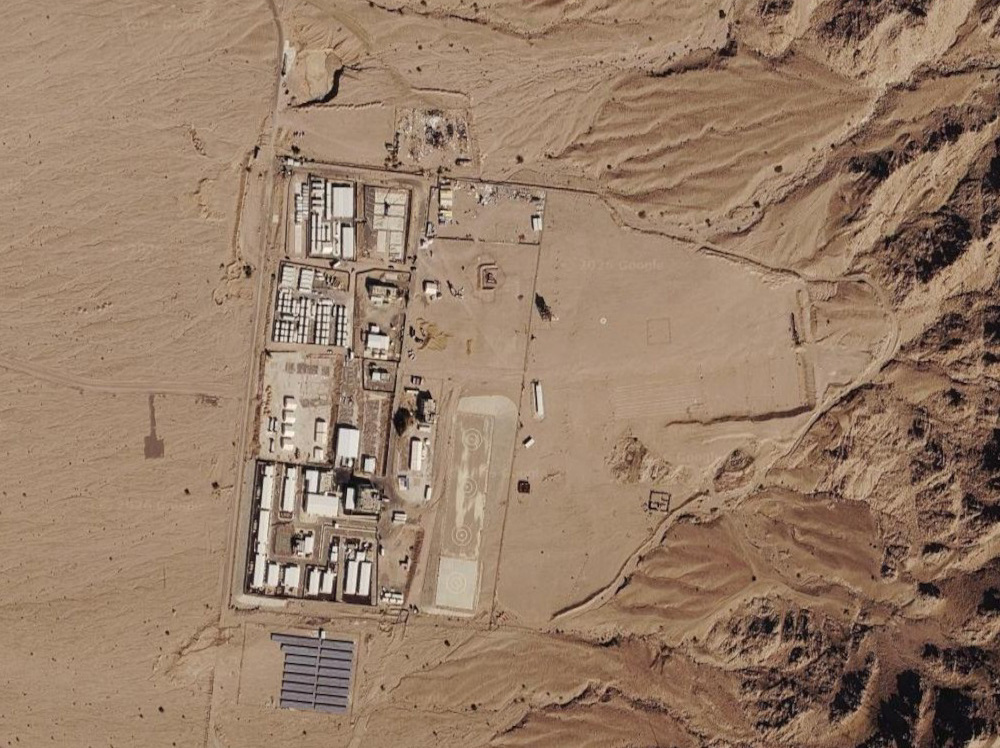
Camp Titin in Jordan
The IRGC's Aerospace Force carried out a heavy ballistic-missile retaliatory strike on the US Marine base known as Camp Titin in Jordan as part of the second wave of the "Punishment of the Aggressor" operation.
The strike killed a large number of American personnel and destroyed several key facilities and attack helicopters. Security sources confirmed that the Iranian attack on Camp Titin was powerful, destructive, and precise.
Camp Titin is located near Aqaba at the northern end of the Red Sea, relatively close to Eilat port in occupied Palestine and the Saudi Arabian border.
Its location makes it suitable for US Marine exercises, maritime infrastructure protection, amphibious operations, and the rapid deployment of military equipment and personnel.
US Navy sources have documented FASTCENT, a rapid-response Marine unit, conducting exercises at the camp, underscoring its role in supporting US Marine Corps operations and rapid force deployment.
According to reports, the United States sought to position part of its forces at Camp Titin, apparently assuming that Iran either lacked detailed intelligence on the deployment or would be unable to strike the location.
The targeting of Camp Titin demonstrated that geographical distance cannot necessarily put US military positions beyond Iran's reach. It also exposed the extent of Iran's intelligence capabilities regarding American military movements.
According to some reports, a medical evacuation helicopter was observed at a US base in Jordan, arriving to retrieve wounded soldiers or personnel after the Iranian attack, indicating that the strikes had caused significant casualties.
Prince Hassan Base in Jordan
The IRGC announced that its Aerospace Force also carried out a massive ballistic missile strike on the hangars housing RQ-4 and MQ-9 reconnaissance and strike drones at the US Prince Hassan Air Base in Jordan.
As a result of the retaliatory attack, several American drones were destroyed and a number of military pilots and technical aviation personnel were killed or injured.
The IRGC also reported that several technical infrastructures were set on fire in the retaliation. The attack was described as a heavy ballistic missile strike targeting the hangars and technical infrastructure of US long-range drones.
The RQ-4 Global Hawk and MQ-9 Reaper represent some of the most advanced surveillance and strike assets in the American inventory, and their destruction represents a significant degradation of US reconnaissance capabilities in the region.
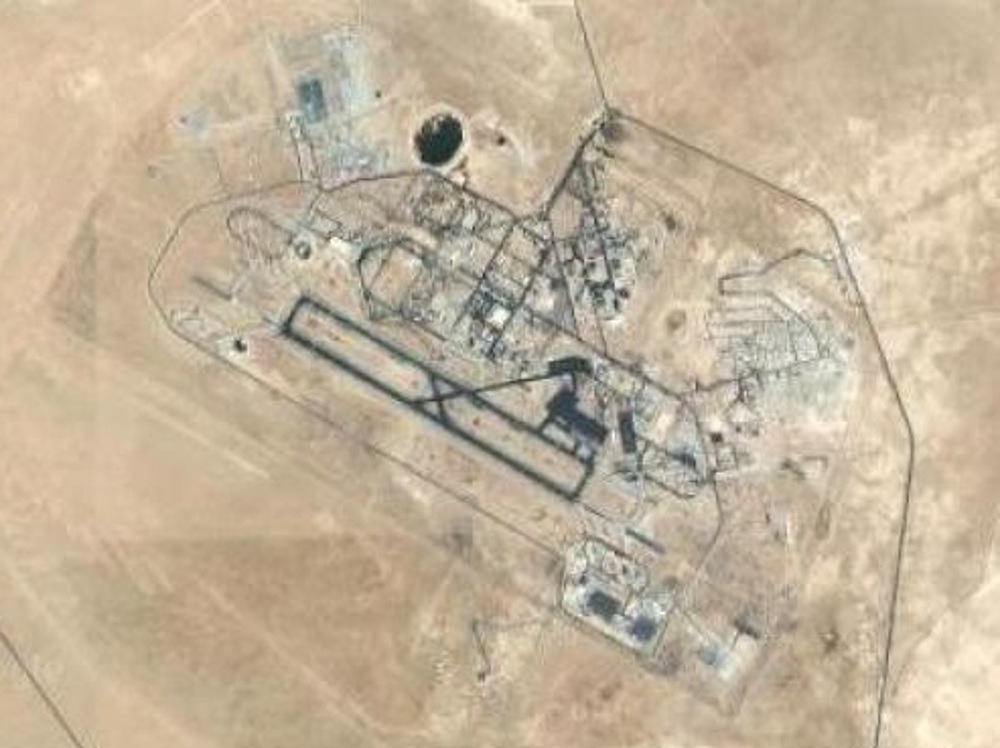
Ali Al-Salem Base in Kuwait
The IRGC announced that its forces struck the command compound and living quarters of a high-ranking US commander at Kuwait's Ali Al-Salem Air Base, setting fire to a drone hangar and deployment ramp and destroying a number of drones.
The attack killed several US personnel and was followed by strikes on a drone hangar and the ramp used to deploy drones involved in attacks against Iran.
Ali Al-Salem Air Base is one of the key US operational centers in the region, described as a major air transportation hub and a principal gateway for deploying military forces to West Asia. It plays a central role in Washington's regional military and logistical strategy
The base houses advanced radar systems, including Patriot air defense radars, which had been previously targeted by Iranian forces. The attack on the US commander's compound represents a significant blow, targeting US leadership infrastructure directly.
Sheikh Isa Air Base in Bahrain
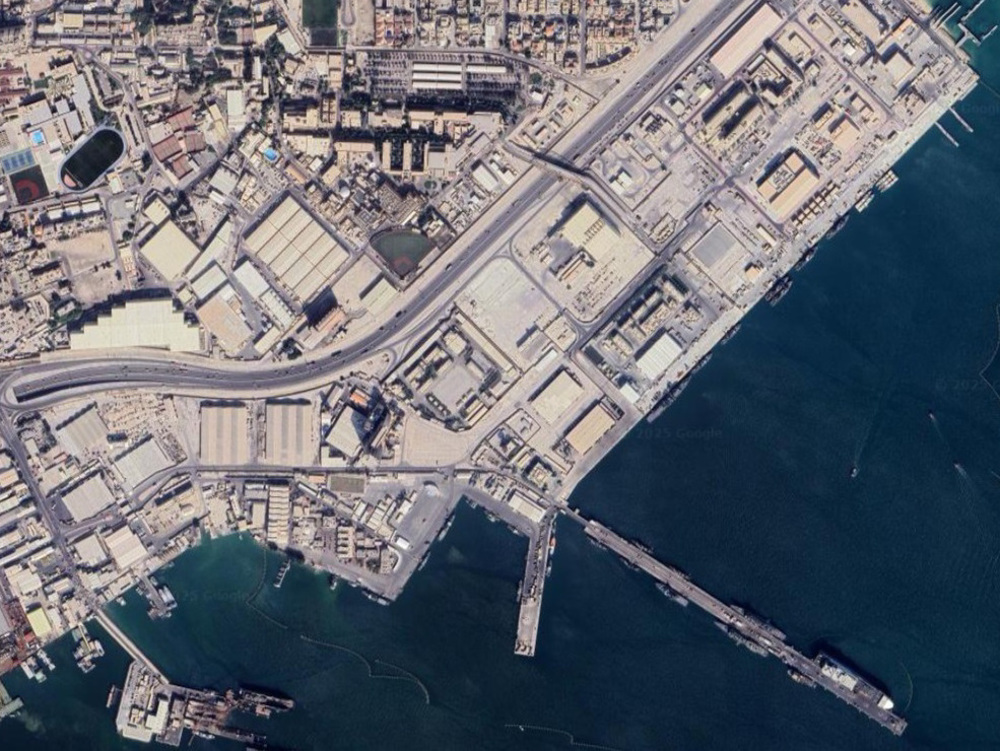
The Iranian Army announced that it had carried out drone strikes targeting radar systems and troop positions at the Sheikh Isa Air Base in Bahrain.
The attacks were carried out as part of Operation Thunder, with Arash explosive drones striking radar facilities and gathering points for US forces.
The Army described Sheikh Isa as one of the most important US bases in the Persian Gulf region, serving as a crucial hub for the repair and maintenance of helicopters and drone spare parts, as well as hosting reconnaissance aircraft.
Bahrain is the headquarters of the US Fifth Fleet, making the Sheikh Isa base particularly significant.
The attacks on radar facilities in Bahrain are part of a broader campaign to degrade American air defense and surveillance capabilities across the region, following similar strikes on radar systems in Kuwait and Jordan.
The Army emphasized that the operations would continue, and that the response to American crimes would be extensive and far-reaching.
Al Dhafra and Al Minhad Bases in the UAE
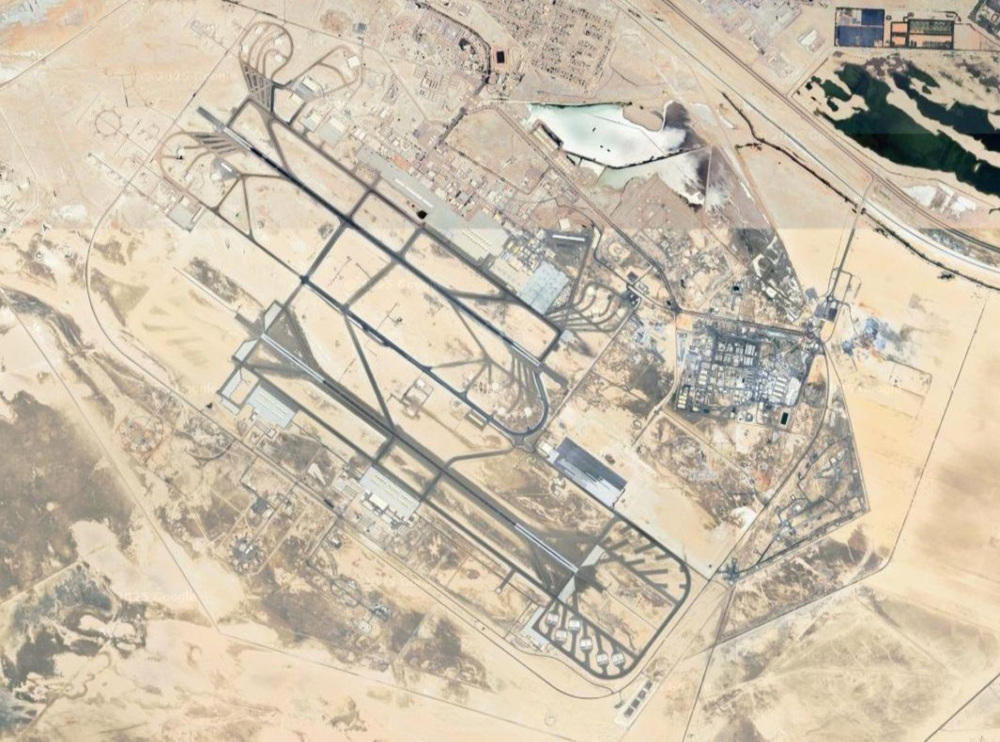
The Iranian Army announced it had launched dozens of explosive-drone strikes against radar systems and troop positions at the Al Dhafra and Al Minhad bases in the UAE as part of the 30th phase of Operation Thunder.
Al Dhafra Air Base is described as one of the main US operational centers in the region, used for air operations, intelligence, surveillance, and logistical support.
The base hosts a significant US military presence, and attacks on it represent a broadening of the confrontation to include Gulf states hosting American forces.
The Al Minhad base serves as a vital logistics hub for supporting and transporting foreign forces.
The Iranian Army stated that it targeted the locations of helicopters and forces of the US military at the base by launching dozens of attack drones.
The UAE Ministry of Defence confirmed that national air defense units engaged unmanned aerial vehicles over territorial waters moving from the direction of Iran, indicating the severity of the strikes.
Erbil repair centers and fuel tanks in Iraq
Iranian forces carried out combined missile and drone attacks on American bases in Erbil, Iraqi Kurdistan, targeting a repair center, technical equipment warehouse, spy balloon guidance system, and fuel tanks.
The attacks resulted in the destruction of the repair center, warehouses, and balloon system, with fuel tanks set on fire and a number of troops killed.
The strikes in Erbil demonstrated Iran's ability to target US positions across multiple theaters simultaneously, coordinating attacks on bases in Jordan, Kuwait, Bahrain, the UAE, and Iraq within a single operational window.
 This makes it easy to access the Press TV website