
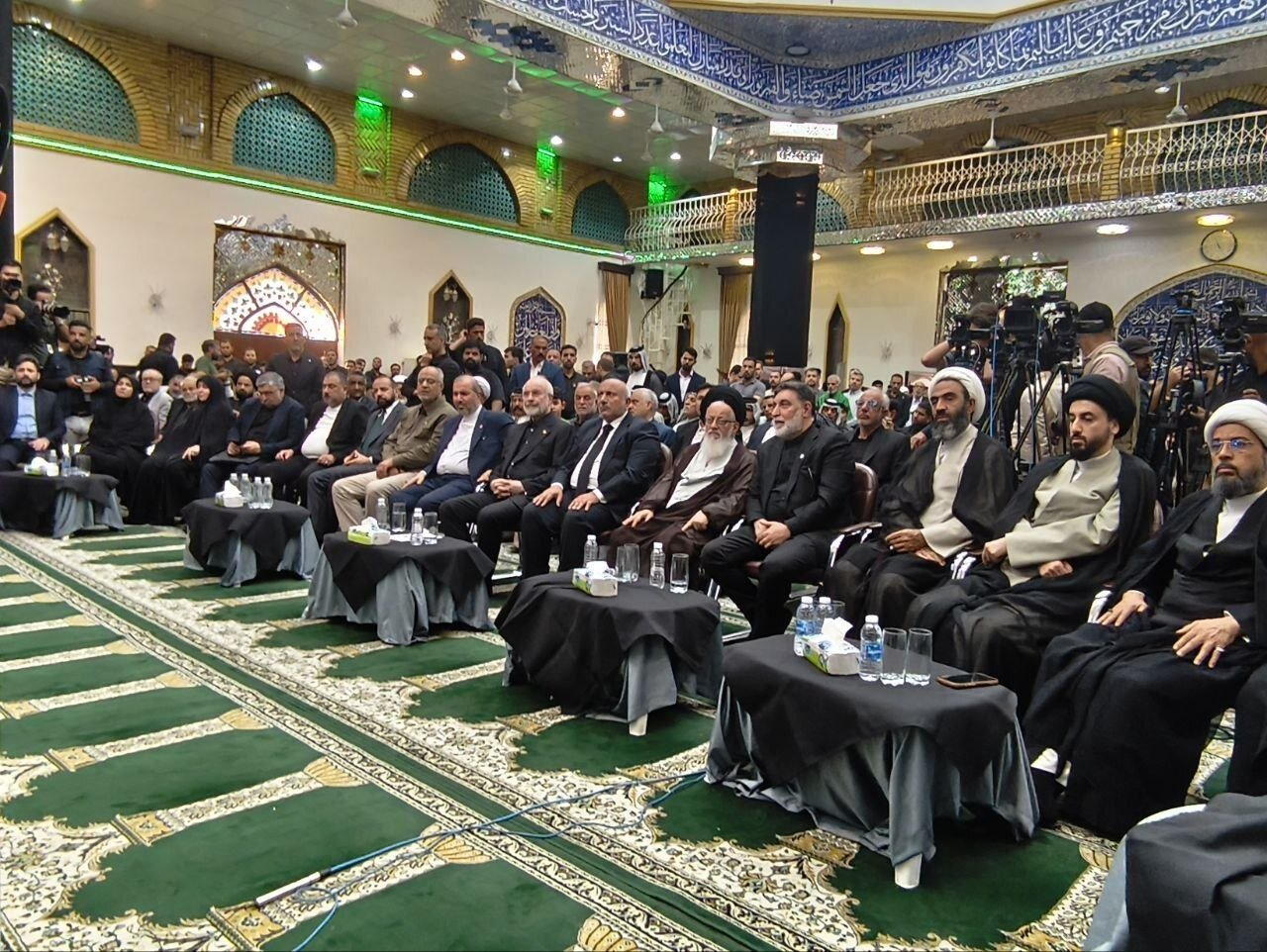
Iranian Parliament Speaker Mohammad Baqer Qalibaf says Iran and Iraq have rejected attempts by US-led Western powers to dictate their future, urging the two neighbors to turn their longstanding political and security cooperation into concrete economic development and shared prosperity.
Speaking Thursday evening at a ceremony in Karbala marking the 40th day following the funeral ceremonies for the martyred leader of the Islamic Revolution, Ayatollah Sayyed Ali Khamenei, Qalibaf conveyed the greetings of the Iranian people to Iraq and praised Iraqis for their participation in the funeral ceremonies.
He said the large turnout reflected the depth of the brotherly ties between the two peoples, describing Iran-Iraq relations as rooted in geography, history and shared religious beliefs.
Qalibaf said their common resolve to prevent foreign powers from determining their future had further strengthened ties between Tehran and Baghdad.
“We will be remembered in history as two nations that refused to become footnotes in the narratives of others, and whose fate was not written in the capitals of Western governments,” he said.
He said Iran and Iraq had built security through resistance, national steadfastness and mutual support, adding that the next priority should be improving living conditions and accelerating development.
Qalibaf urged the two countries to move beyond political statements and pursue concrete joint projects to strengthen security, stability and economic welfare.
“We have been friends and brothers in the most difficult days,” he said, recalling how the two countries had stood together through periods of crisis and should remain united in times of prosperity.
He described the relationship between Iran and Iraq as a source of strength and expressed confidence that continued cooperation would yield positive results for both peoples.
The ceremony in Karbala was attended by Iranian and Iraqi officials, religious figures, tribal leaders, local residents and Iranian pilgrims. An Iranian parliamentary delegation also accompanied Qalibaf during his visit.
Iraq reaffirms security agreement with Iran
Separately, Iraqi National Security Adviser Qasim al-Aboudi reaffirmed Baghdad’s commitment to its security agreement with Tehran, saying Iraq’s policy is focused on strengthening relations with neighboring countries.
During a meeting with Qalibaf in Baghdad, al-Aboudi and the Iranian parliamentary speaker discussed regional developments and ways to expand bilateral ties in line with the interests of both countries.
Al-Aboudi described Iran-Iraq relations as historic and close, saying Iraq’s stability is directly linked to the stability of the wider region.
“Iraq adheres to the joint security agreement between Baghdad and Tehran,” he said.
He also pointed to the Iraqi government’s efforts to establish a state monopoly over weapons, citing the country’s constitution, which prohibits armed groups from threatening the security of other countries.
Hashd al-Sha'ab, which represents a number of resistance groups in Iraq, has said its forces are part of the country’s security apparatus and operate closely with the Iraqi armed forces, warning that any attack on them would amount to an all-out act of aggression against Iraq.
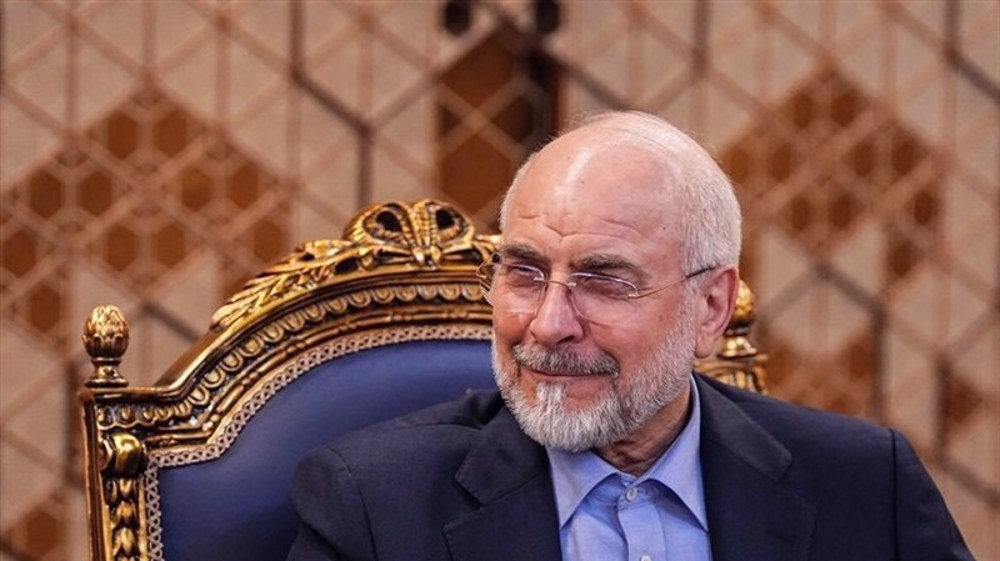
Qalibaf's visit to Iraq began Wednesday, during which he held meetings with senior Iraqi officials, including the country's parliament speaker, prime minister, president and chairman of the Supreme Judicial Council.
During his meeting with the Iraqi Prime Minister Ali al-Zaidi, Qalibaf highlighted the deep geographical and historical ties between the two countries, saying Iran and Iraq have significant opportunities to expand bilateral relations and strengthen their role across the wider Islamic region.
In a separate meeting with Iraqi President Nizar Amidi, Qalibaf discussed the latest regional conflicts, noting that both Iran and Iraq had suffered heavily from successive wars and prolonged instability. He attributed much of the region’s insecurity and conflict to US policies and Israeli actions.
Qalibaf’s remarks throughout the visit underscored Tehran’s push to deepen ties with Baghdad, while presenting closer Iran-Iraq cooperation as a means of bolstering regional security, curbing foreign influence and advancing economic development.
 This makes it easy to access the Press TV website