Iran’s military and strategic options to thwart – and break – the illegal US naval blockade
By Yousef Ramazani
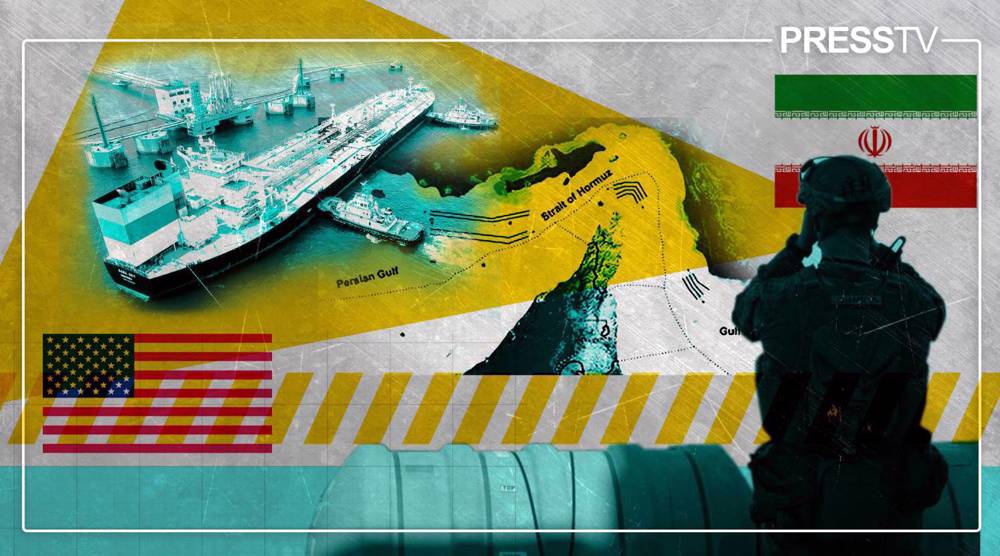
As the United States maintains its naval blockade of Iranian ports, now entering its second phase following the collapse of the June ceasefire, Tehran possesses a broad array of military capabilities and alternative trade routes that could make the blockade hard to sustain, forcing Washington to choose between escalation, prolonged confrontation, or retreat.
The US naval blockade of Iran, first imposed on April 13, 2026, and intensified from July 14 following the unraveling of a temporary ceasefire due to US military aggression and maritime banditry and piracy, is aimed at choking off Iran’s maritime trade.
The blockade’s two phases have shaped Iran’s response. The first phase, from April to June, was characterized primarily by Iranian efforts to preserve economic resilience through existing trade and supply channels. The second phase, beginning in July, has been marked by a more assertive Iranian posture, culminating in a warning that it could take decisive action to break the blockade.
The geography of the Persian Gulf and the Strait of Hormuz favors the defender against the aggressor. Iran has spent decades developing a sophisticated, layered sea-denial strategy designed to make any sustained foreign naval presence in these strategically vital waters increasingly costly and difficult to maintain.
Yet the challenge to the blockade extends beyond the military domain. Iran has also developed alternative overland and maritime trade routes that can bypass the blockade, creating a parallel economic infrastructure capable of sustaining the country through a prolonged confrontation.
Now, as the US launches a new campaign to economically isolate Iran, Tehran has multiple options not only to neutralize the pressure campaign, but to emerge stronger.
Two phases of the US naval blockade
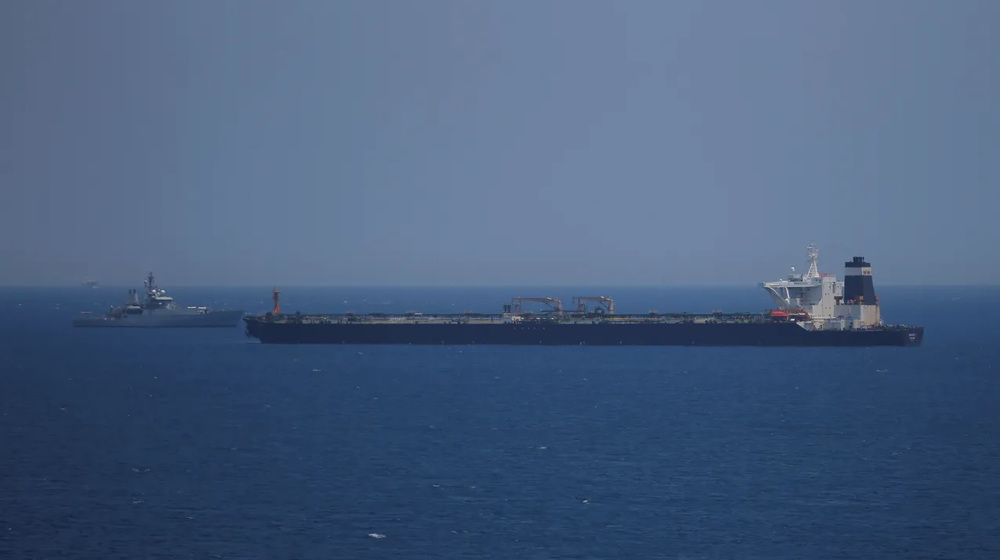
The US naval blockade of Iran was initiated on April 13, 2026, at the direction of President Donald Trump and under CENTCOM command, with the stated objective of encompassing Iran’s entire coastline. Washington warned that any vessel entering or departing the designated blockade zone without authorization would be subject to interception, diversion, and capture.
Within the first 24 hours, six commercial vessels reportedly complied with US orders and were redirected toward Iranian ports, while no vessels attempted to challenge the blockade.
By April 18, CENTCOM reported that 23 vessels had been intercepted, although Iranian vessels continued to successfully evade the blockade.
On July 7, 2026, Trump declared the interim deal terminated, and hostilities resumed, with Iran subsequently firing on vessels that attempted to transit the Strait of Hormuz along an unauthorized route, as it had previously and repeatedly warned.
This marked the beginning of the blockade’s second phase, defined by heightened tensions and the collapse of Pakistan-mediated diplomatic efforts to extend the ceasefire.
By August 2026, Iran had warned that, should diplomacy fail, it was prepared to adopt a fully offensive military posture aimed at breaking the blockade.
Meanwhile, the Pentagon had begun reassessing the US military presence in the Persian Gulf, acknowledging the vulnerability of fixed installations and the damage sustained by numerous American facilities during the war against Iran.
Iran's escalation options
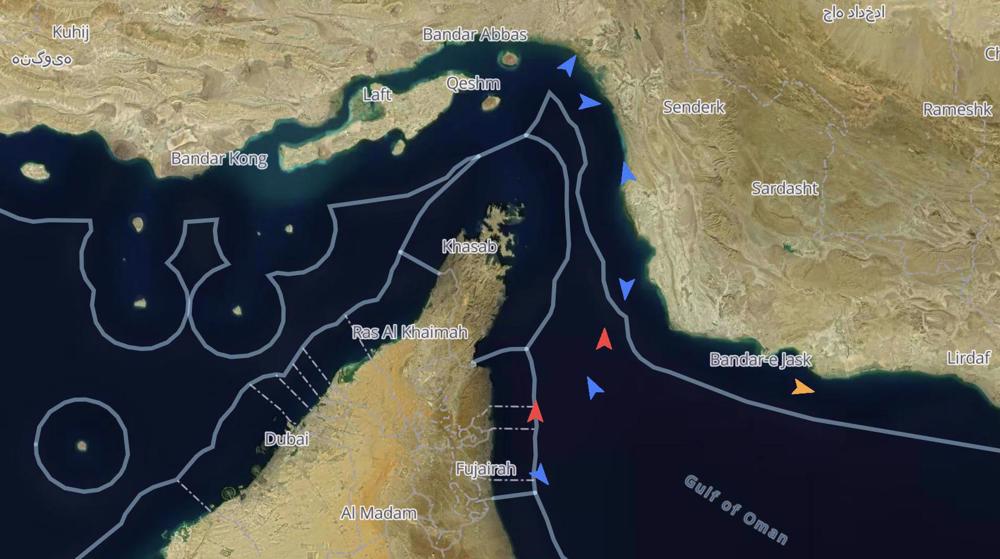
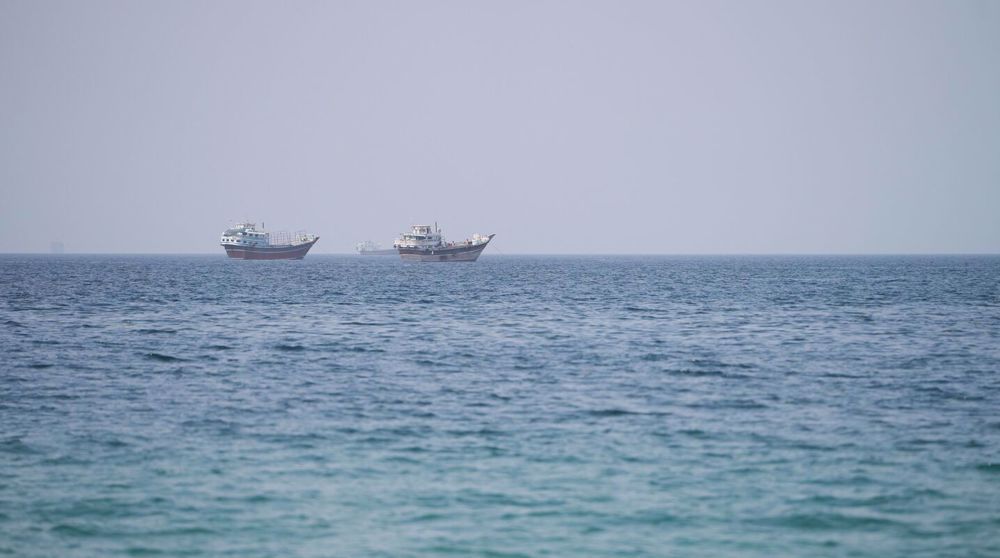
Iran’s geographic position, particularly its firm and legitimate control of the northern coastline of the Persian Gulf and the Strait of Hormuz, provides a natural defensive advantage that underpins a sophisticated, layered sea-denial strategy.
At its narrowest, the Strait of Hormuz is approximately 33 kilometers wide, placing vessels transiting the waterway within range of Iran’s shore-based missile systems, radars, and observation posts.
This geography fundamentally alters the nature of the naval contest. Iran does not necessarily need to defeat the US Navy outright; it only needs to make the maritime environment sufficiently hazardous to undermine Washington’s ability to guarantee safe passage and, over time, erode the sustainability of the blockade.
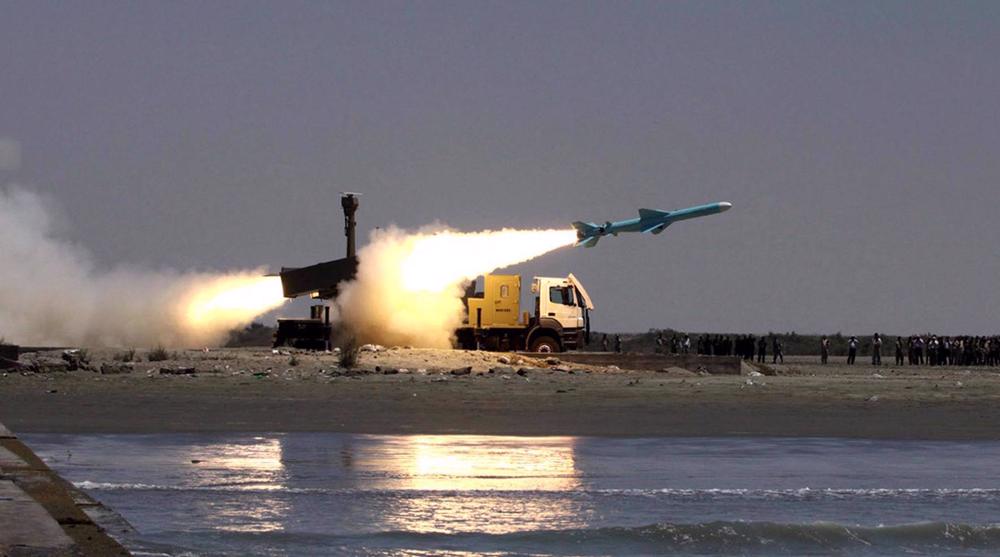
Iran possesses one of the region’s largest and most diverse inventories of anti-ship missiles. The Noor, Ghader, Ghadir, and Nasr families of coastal anti-ship cruise missiles provide a layered threat that any naval commander operating in the area must take seriously.
These weapons do not necessarily have to sink a vessel to serve their strategic purpose. Even an unsuccessful attack can force the enemy to expend costly interceptors, creating a cost-imposition dynamic in which a multimillion-dollar interceptor may be used to defeat a significantly cheaper attacking drone or missile.
Repeated engagements can therefore produce an unfavorable economic exchange for the US war machine, even when most incoming weapons are successfully intercepted.
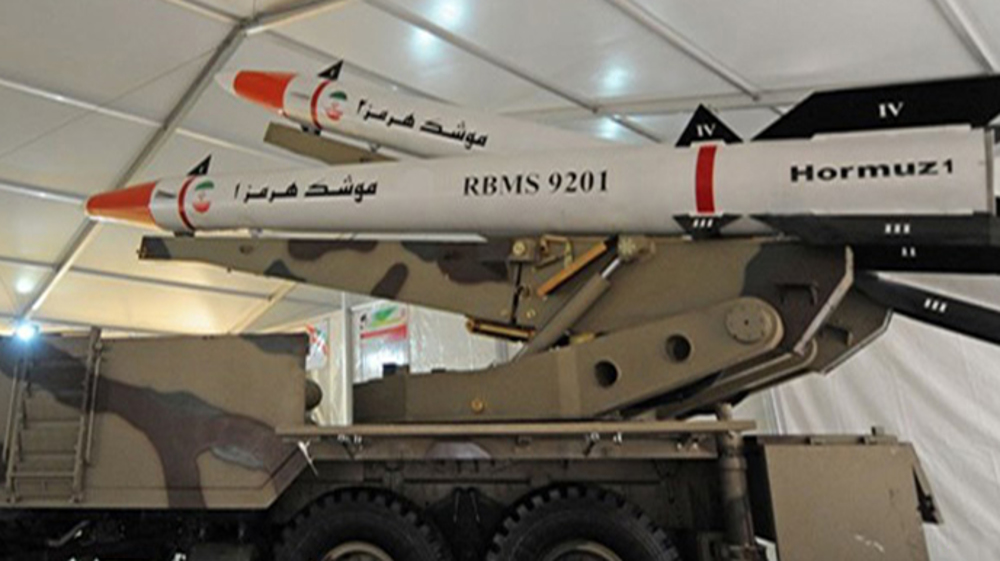
Beyond subsonic cruise missiles, Iran has also publicly demonstrated anti-ship ballistic missile capabilities, including the Khalij Fars, Hormuz-1, and Hormuz-2, derived from the Fateh-110 family. With ranges of up to approximately 300 kilometers and terminal guidance capabilities, these weapons present a fundamentally different interception challenge.
Their faster trajectories can compress the detection, tracking, identification, and engagement timelines of the US military, complicating US naval planning and increasing the demands placed on defensive systems.
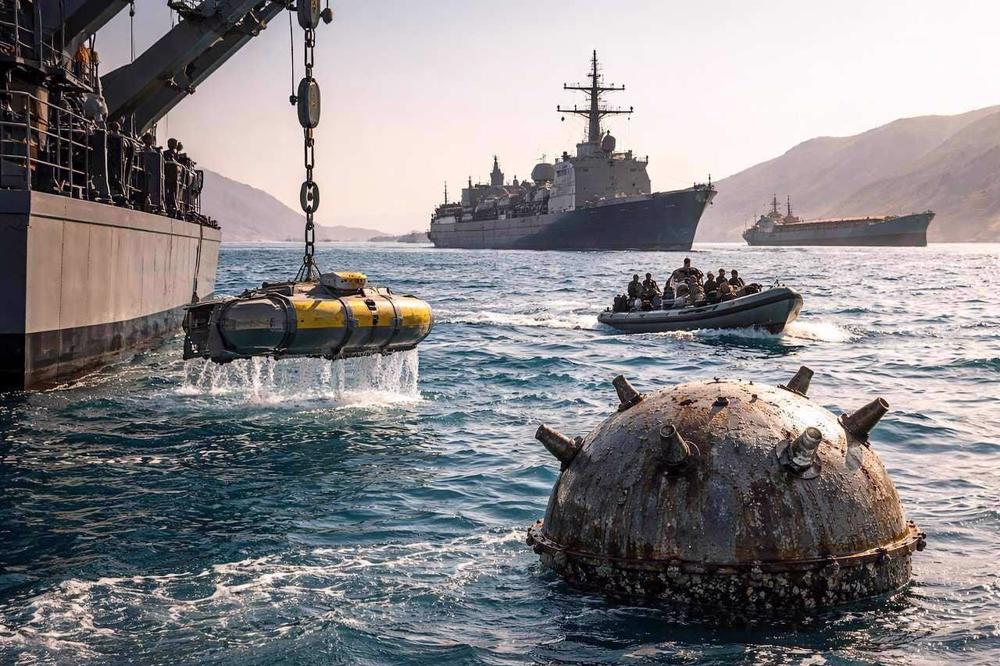
Iran also possesses a large inventory of naval mines, with estimates ranging from 5,000 to 6,000 mines of various types.
Naval mines are relatively inexpensive, difficult to detect and clear, and capable of imposing costs vastly disproportionate to their price. Ensuring safe navigation would require extensive mine-countermeasure operations, typically slow, resource-intensive, and operationally demanding. The US Navy has itself acknowledged significant challenges and limitations in its mine-countermeasure capabilities.
This means mining could create a particularly difficult operational challenge, because the United States would have to conduct mine-clearance operations while simultaneously defending against missiles, drones, submarines, and other threats.
Mines could become one of the most consequential operational variables in a post-blockade environment. Even if a ceasefire were to hold, uncleared mines could remain a persistent threat to commercial shipping and continue to complicate efforts to restore normal maritime traffic.
Iran’s submarine force, while modest compared with that of the United States, provides another layer of sea-denial capability.
Its Kilo-class diesel-electric submarines, along with smaller submarines and midget-submarine systems, can operate covertly beneath the surface, forcing an opposing navy to devote substantial surveillance and anti-submarine resources to locating relatively small numbers of potentially dangerous platforms.
The emergence of relatively inexpensive unmanned surface vessels could further enhance swarm tactics, allowing Iran to impose additional risks without necessarily placing personnel directly in harm’s way.
The combination of shore-based missiles, UAV reconnaissance, unmanned surface vessels, fast attack craft, submarines, and mines creates a highly complex maritime environment in which US commanders cannot concentrate exclusively on any single threat.
Iran has also invested heavily in a distributed maritime surveillance network incorporating maritime patrol aircraft, UAVs, coastal radars, electronic intelligence, satellites, signals intelligence, and naval reconnaissance.
The effectiveness and survivability of this broader kill chain could ultimately matter more than the nominal number of missiles Iran possesses. Tehran could also seek to disrupt the information architecture supporting the blockade through electronic warfare targeting communications, navigation, radar, and other sensing systems, making it more difficult for blockade forces to identify and interpret activity in a crowded maritime environment.
The objective would not necessarily be to destroy the blockade force outright, but to increase uncertainty, forcing it to operate more cautiously and reducing its effectiveness.
Iran’s ability to escalate progressively – selective interdiction to missile attacks, mining, and broader regional pressure – could give Tehran multiple options for increasing costs without immediately triggering a full-scale conflict that neither side could easily contain.
Layered strategy: Making the blockade unsustainable
The most plausible Iranian military objective would not be to destroy the US Navy’s regional infrastructure in its entirely, but rather to make the blockade operationally dangerous, economically costly, and ultimately politically unsustainable.
Iran could pursue this through a layered sea-denial strategy that combines multiple forms of maritime pressure faster than US forces can neutralize them, creating a complex operating environment that steadily increases the costs and risks for the blockading force.
Each layer can reinforce the others: a minefield becomes significantly more challenging when mine-clearance vessels must simultaneously defend against missile attacks; missiles become more difficult to counter if electronic warfare degrades sensors and communications; and small attack craft become more dangerous when the hostile forces must also monitor drones and other aerial threats.
The broader strategy becomes even more consequential if commercial shipping companies conclude that the waterway is simply too dangerous to use. A sustained decline in commercial traffic could generate economic pressure that ultimately extends beyond the battlefield and onto the United States and its allies, as we are already witnessing.
The geographic and military contest is essentially defined by whether Iran can make the Strait of Hormuz too dangerous and expensive to enforce, while the United States attempts to keep enough of the maritime system functioning while neutralizing Iran's ability to impose unacceptable risk.
Alternative trade routes: the land bridge to Eurasia
Beyond its military options, Iran has developed a network of alternative trade routes that bypass the US naval blockade entirely, creating a parallel economic infrastructure that can sustain the country through a prolonged confrontation.
These routes, developed in cooperation with Russia, China, and other Eurasian partners, represent a pivot away from maritime chokepoints toward overland corridors that are immune to naval interdiction.
The International North-South Transport Corridor has emerged as the most significant of these alternative routes. The 7,200-kilometer corridor is designed to cut trade costs by 30% and reduce shipping time from 37 days to 19, almost half that of the Suez Canal route.
The Rasht-Astara railway line, described as the missing link in the corridor, is being constructed under a 20-year Russia-Iran partnership and is expected to revolutionize trade and help both countries circumvent Western sanctions.
Once complete, the corridor will handle up to 20 million tons of cargo annually through routes completely untouched by US naval power.
Unlike maritime chokepoints such as the Suez Canal or the Strait of Hormuz, this land bridge cannot be blockaded by American fleets or frozen by European banks.
Russia and Iran have also expanded their Caspian shipping network, transforming it into what officials describe as a sanctions corridor.
Roughly two million tons of Russian wheat are now flowing to Iran through the Caspian alone, underscoring the route's importance for both essential supplies and military logistics.
This entire supply line bypasses the Strait of Hormuz and the US-led naval cordon, moving instead through waters where American forces have no authority to interdict.
Russian trade figures reveal a sharp spike in cargo volumes along these routes, suggesting not a temporary workaround but a deliberate pivot toward the inland sea.
A 10,400-kilometer overland bridge from China to Tehran has also become central to this pivot. Starting from western China crossing the Khorgos Gateway, the train line enters Kazakhstan, moves through Tashkent, travels south through Samarkand and Bukhara, and finally completes its journey at Iran's spiritual capital of Mashhad.
Supported by Pakistan's transit order via the Karachi-Taftan and Gwadar-Gabd corridors, this route channels crude and petrochemicals toward Central Asia and China.
By denominating shipments in yuan, China has embedded this corridor within its broader Belt and Road routes and ensured an uninterrupted flow of hydrocarbons and strategic goods.
Strategic contest: Test of endurance
The fundamental contest between Iran and the United States over the naval blockade is ultimately a contest of will, where the side with the greater motivation and tolerance for cost will prevail.
For Iran, it is a matter of national survival and sovereignty; for the United States, it is a strategic choice.
Iran's ability to escalate progressively, combined with its alternative trade routes, gives it options to respond to American hostile actions effectively and decisively.
The opening of the Strait of Hormuz depends more on US compliance to its commitments under the recently signed memorandum of understanding (MoU) than on a military aggression, and Iran has plausibly concluded that its control over the strait, combined with its alternative trade routes, provides sufficient leverage to bring the United States to the negotiating table on favorable terms.
The United States cannot change the geography of the Persian Gulf, and it cannot eliminate Iran's ability to create insecurity and instability in this waterway.
Iran details $30,000 reward for capturing, killing US troops; women to receive double
Without a binding ‘no aggression, no threat’ US guarantee, no war-ending deal can make headway
Production of strategic military equipment tripled during US-Israeli aggression: Defense Ministry



VIDEO | Lebanese authority ignores Israeli aggression: Political analyst
Putin says Ukraine’s strikes opened 'Pandora’s box,' vows retaliation
VIDEO | Israeli regime could secure so-called Litani River via Ali al-Tahir: Analyst
Qatar cuts government budget amid massive hit from US war on Iran
VIDEO | Gaza’s cash crunch: Repairing worn-out banknotes
VIDEO | Iran knows: The west must feel pain
Macron says France will provide more interceptor missiles to Ukraine
'US economic terrorism' cannot change Iranian people's resolve: VP


 PressTV NEWSLETTER
now
PressTV NEWSLETTER
now
 This makes it easy to access the Press TV website
