Qalibaf hails Iraqi Resistance as major source of strength for Iran and Iraq
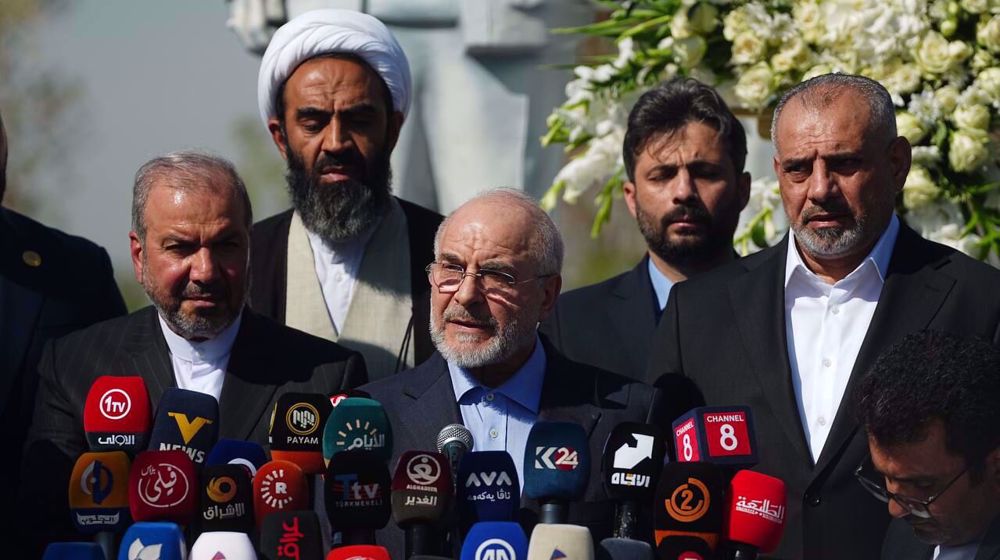
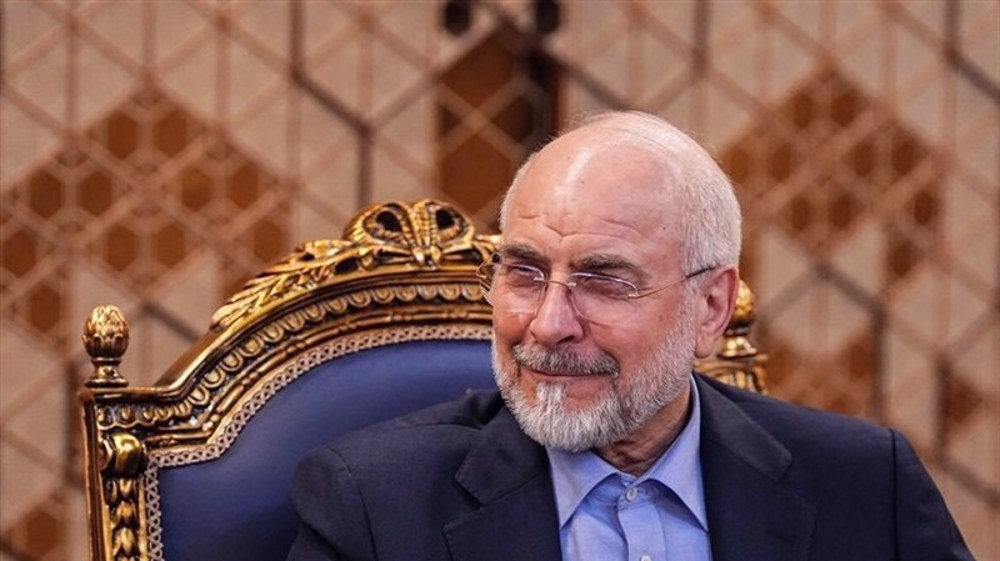
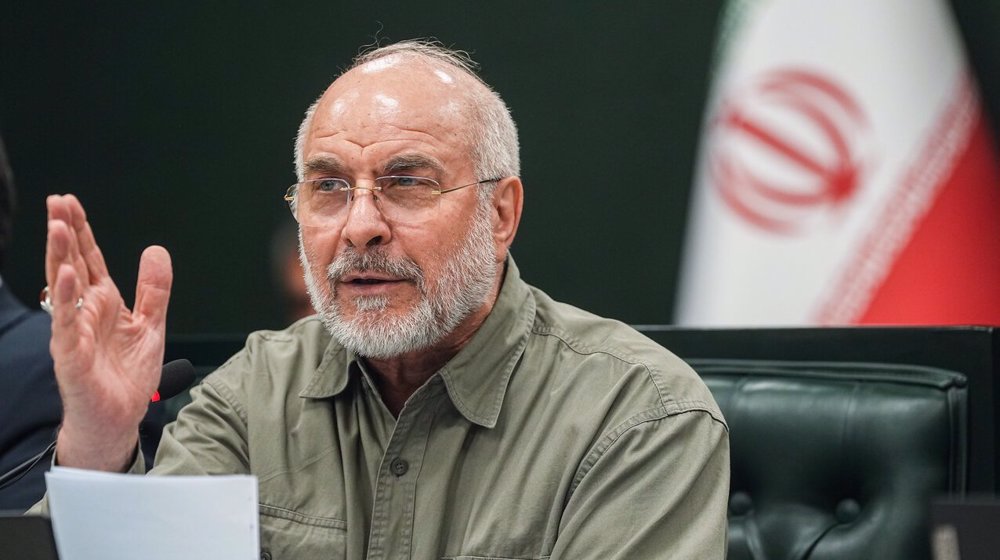
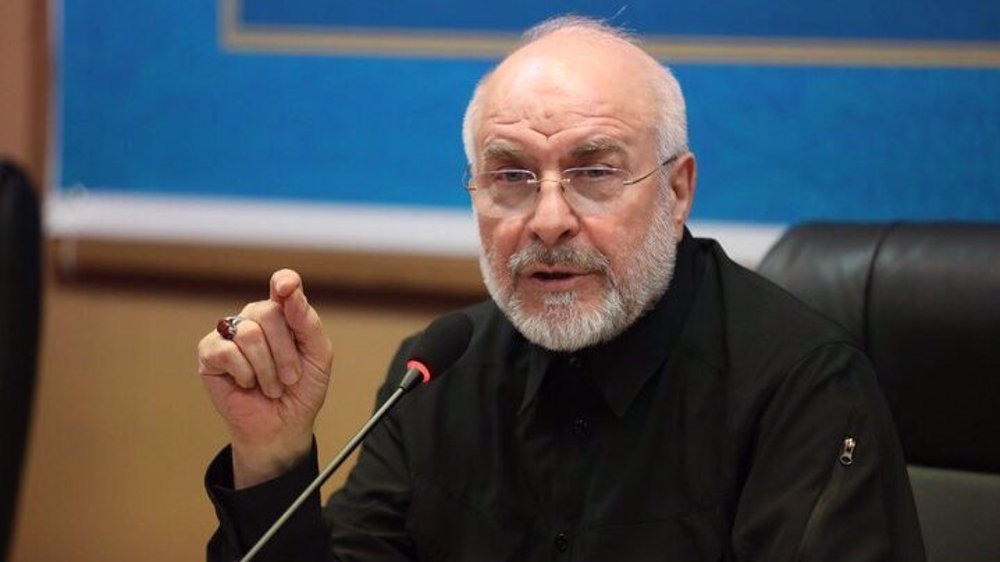
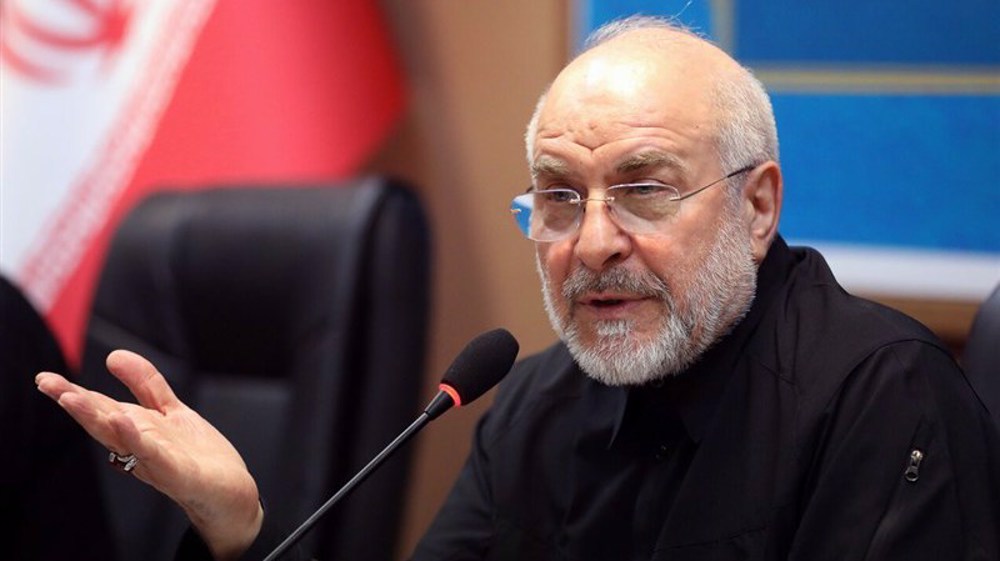
Iranian Parliament Speaker Mohammad Baqer Qalibaf says the Islamic Resistance in Iraq has become a major source of strength for both Iran and Iraq, stressing that resistance discourse has expanded beyond the region and gained global reach.
Qalibaf was speaking on Wednesday after arriving in Baghdad at the head of a parliamentary delegation, while visiting the site at Baghdad airport, where Iran and Iraq’s two iconic anti-terror commanders, Lieutenant General Qassem Soleimani and Abu Mahdi al-Muhandis, were assassinated in a US drone strike in January 2020.
“I begin my visit from the site where two great men from the history of Iran and Iraq were assassinated,” Qalibaf said, describing the location as an important symbol of the shared history of the two nations and their common struggle.
He said the assassination site represented a confrontation between the “front of truth and the front of falsehood,” slamming the United States for targeting Soleimani and al-Muhandis after failing to prevent the expansion of the resistance movement.
Qalibaf said the two commanders had played a role in fighting Daesh (ISIS) and protecting Iraq, Iran and the wider region from the group.
“Did the assassination halt the power and influence of the resistance?” he asked, arguing that developments across the region demonstrate that the resistance movement continues to gain influence.
“Everyone witnessed the power of Iran’s resistance during the [recent US-Israeli aggression],” Qalibaf said.
“Resistance in Iraq is also one of the elements of this country’s power. Over the years, the discourse of resistance has gone beyond the borders of Iran and Iraq and the region and has become global.”
He also said the regional security order was changing following the recent aggression against Iran.
According to the Parliament speaker, foreign and extra-regional powers are losing their influence over regional affairs, while US forces are seeking an orderly withdrawal from the region.
He also said that Israel had no future in the region and would not be able to realize its vision of controlling territory “from the river to the sea.”
He said his visit to Iraq was aimed at contributing to a new regional order and strengthening cooperation among regional countries without foreign interference.
He highlighted the close cultural and religious ties between Iran and Iraq as an important opportunity for expanding bilateral cooperation.
Qalibaf said that during his visit, he would meet Iraqi government and parliamentary officials as well as political, economic, and cultural figures.
He also said he would attend, on behalf of Iran’s Leader, a ceremony related to the burial of a prominent Iranian religious figure, conveying the Leader’s and the Iranian people’s appreciation to the Iraqi people and officials for their participation in the funeral ceremonies.
He described the relationship between Iran and Iraq as “historical, deep-rooted and unbreakable,” saying that the two countries’ neighborliness was based on brotherhood, devotion to the Ahl al-Bayt, resistance to foreign intervention and a shared destiny.
“We will hopefully take major steps during this visit toward consolidating endogenous and shared security and improving the welfare of the two nations,” he said. “Our strength lies in our brotherhood.”
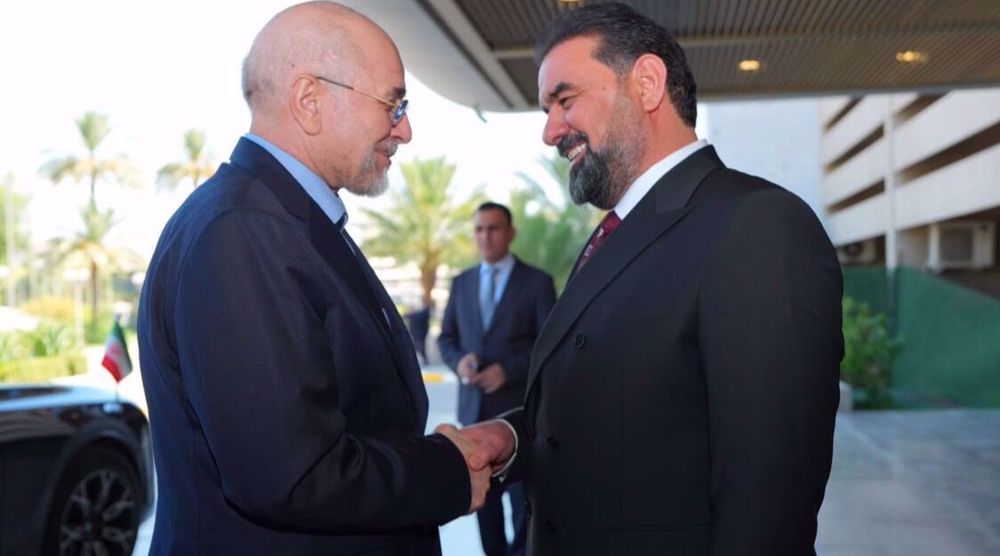
Qalibaf arrived in Baghdad on Wednesday at the head of a high-ranking parliamentary delegation for talks with senior Iraqi officials on strengthening bilateral ties, regional developments, border security, counterterrorism and economic cooperation.
He was received upon his arrival by First Deputy Speaker of the Iraqi Parliament Adnan Fayhan.
Later on Wednesday, Iraqi Parliament Speaker Hibet al-Halbousi received Qalibaf and his accompanying delegation at the Iraqi parliament headquarters in Baghdad.
The visit comes as Tehran and Baghdad have stepped up high-level contacts in recent weeks, with the two sides seeking to further strengthen their strategic partnership and expand cooperation across political, economic, and security fields.
73 years since CIA-MI6 coup in Iran: Oil, foreign intervention and the question of sovereignty
Iran declares two French diplomats persona non grata
Qalibaf arrives in Baghdad, hails ‘unbreakable’ Iran-Iraq bonds



32-year-old Iranian scientist who was identified by DNA 10 days after martyrdom in US-Israeli attack
Turkish media warn of direct clash with Israel after strike in Syria
Iran Parliament speaker hails Iraqi Resistance as major source of strength
'Mafia-like threats’: Netizens decry US sanctions against ICC judges over Netanyahu arrest warrant
War on Iran pushes US debt toward $40 trillion as borrowing costs surge
VIDEO | Press TV's news headlines
VIDEO | Colombia quake death toll rises to 312
Israel confirms striking Syrian air base to block Turkish deployment


 PressTV NEWSLETTER
now
PressTV NEWSLETTER
now
 This makes it easy to access the Press TV website
