Basij chief: Media now a battlefield of its own; untold realities leave room for distorted narratives
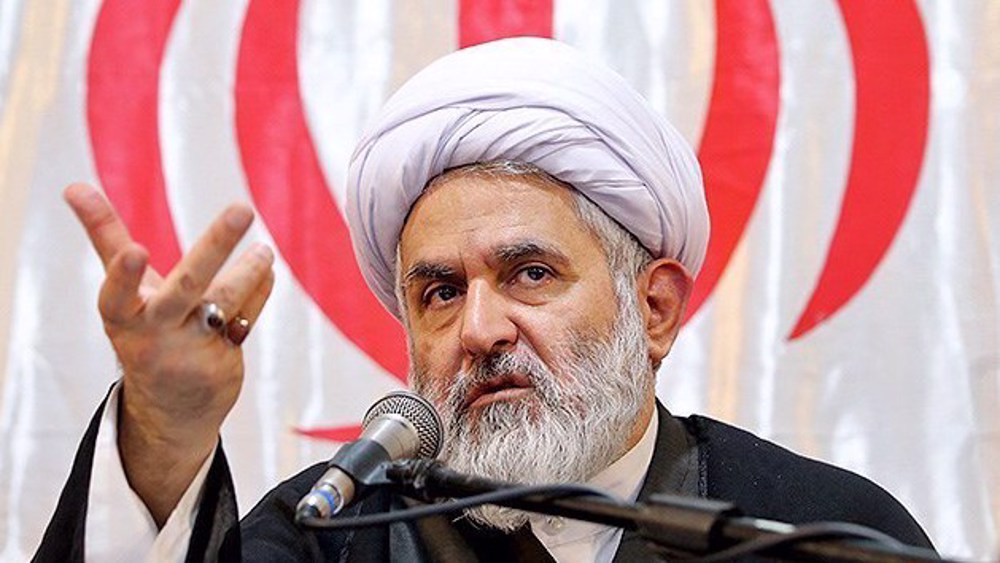
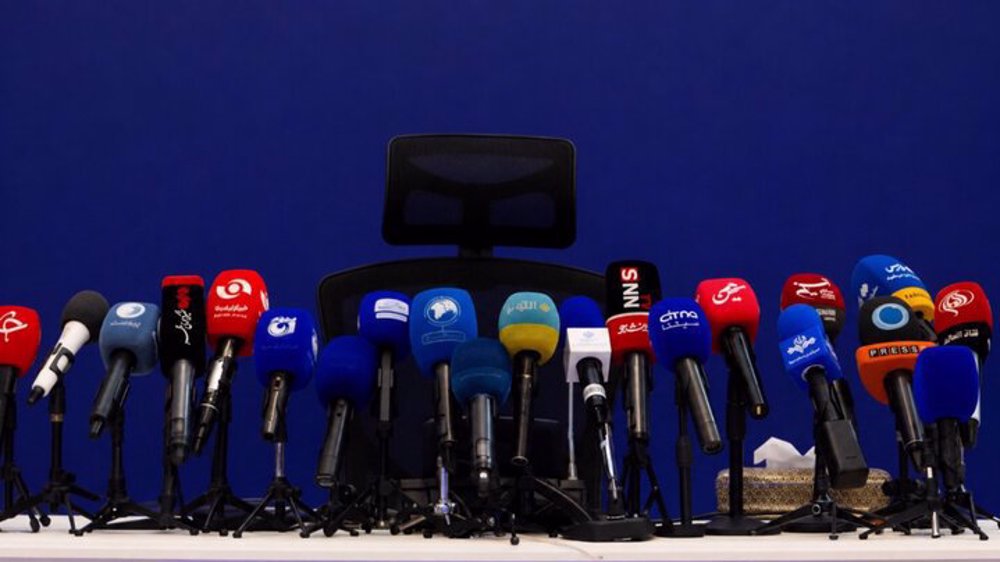
The head of Iran’s Basij Organization has described the media as a central arena of confrontation in modern warfare, noting how confrontations are no longer confined to military battlefields alone and warning against inaction in the face of those seeking to disseminate distorted narratives.
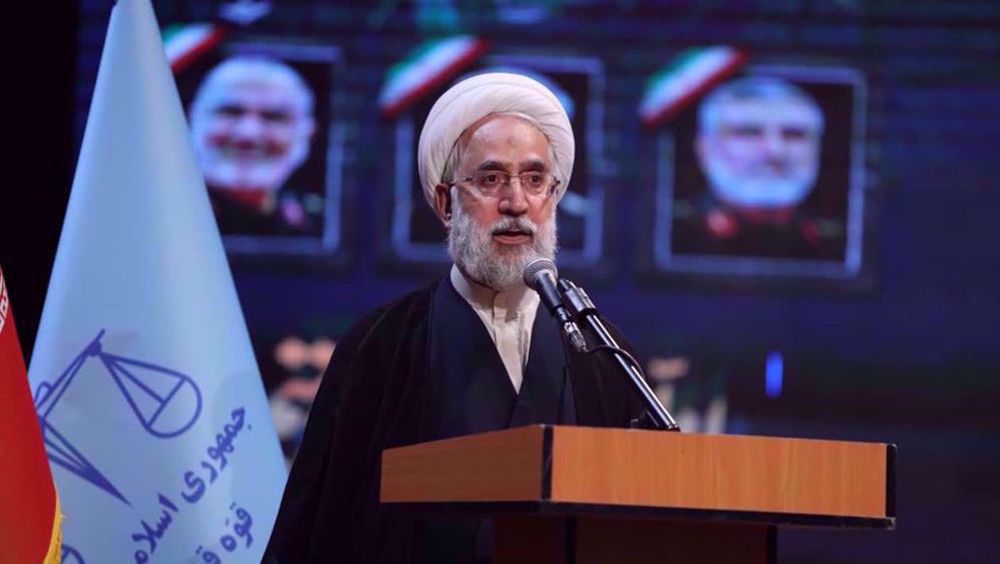
Remarking on Tuesday, Hossein Taeb noted that the contemporary arena of confrontation was “multilayered and complex,” with images, news reports, narratives, and even silence capable of influencing how millions of people perceived events and shaping public opinion.
Foreign media’s admission of Trump’s defeat reflects efforts of revolutionary media: IRGC https://t.co/hvluZ6fMIz
— Press TV 🔻 (@PressTV) August 8, 2026
The official warned that when an image is not captured, a narrative is not conveyed, or information is not communicated in a timely manner, the narrative battlefield can be left to those who might reconstruct reality according to their own preferences.
Taeb drew a distinction between news and narrative, saying, “News tells us what happened; narrative, however, asks: Why does this matter? What does it mean? What lessons does it hold for society, and what role do people have to play in response?”
According to the official, the media can fulfill its “true mission” when it moves beyond simply producing news and towards explaining meaning.
He said the media should uncover reality, tell its story accurately, help society understand it, and recognize its own relationship with that reality. In this process, he said, the media can move beyond being merely an information tool and become an element of “national power.”
Taeb also emphasized the role of the media after the end of hostilities, saying a war may conclude on the battlefield, while its effects continue within society and across the economy, politics, and media. “The post-war period is an arena for explanation, analysis, and shaping the future,” he said.
He warned that if the realities of the post-war period are not properly narrated, “incomplete, distorted, or despair-inducing narratives may replace the truth.”
Taeb said media organizations should be capable of uncovering reality, telling the truth, exposing distortions, reducing ambiguity, building trust, fostering genuine hope, turning experiences into knowledge, and preparing society to play an active role.
He contrasted media organizations that merely produce news with those that establish a connection between reality, analysis, trust, and social action.
“A media outlet that merely produces news conveys only part of reality,” Taeb said. “But a media outlet capable of forging a link between reality, analysis, trust, and social action becomes one of the infrastructures of national power.”
The official concluded by pointing to the potential importance of narratives in future confrontations, noting, “Perhaps the future of major wars will be shaped not only by missiles, economics, and diplomacy, but also by the narratives that endure in the minds of nations.”
US failure at Hormuz signals ‘post-American order’ in Persian Gulf: Iran security chief
Squeezing Iran won’t work, Qalibaf says as he mocks US ‘clown crew’
40-day war shattered illusion of US-provided security: Iran FM



Basij chief: Media now a battlefield of its own; untold realities leave room for distorted narrative
VIDEO | Hormuz: Iran’s post-war deterrence
Israel’s genocidal war leaves just 3% of Gaza’s farmland usable: UN
VIDEO | Palestinian family forced from Qusra home after repeated settler attacks
VIDEO | Yemeni women defy odds, build lives despite foreign aggression
Exclusive: Reports of Iranian missile attack on UAE unfounded; Zionist false flag imprint evident
40-day war shattered illusion of US-provided security: Iran FM
VIDEO | Yemen’s health sector warns against politicizing aid


 PressTV NEWSLETTER
now
PressTV NEWSLETTER
now
 This makes it easy to access the Press TV website
