Source: Pentagon concedes no military plan can secure Strait of Hormuz as Trump seeks scapegoats
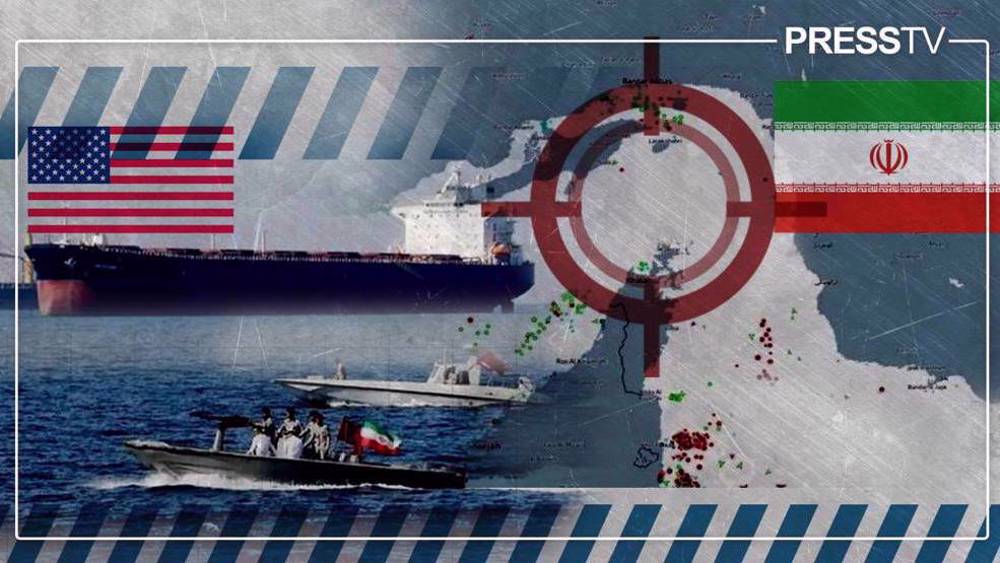
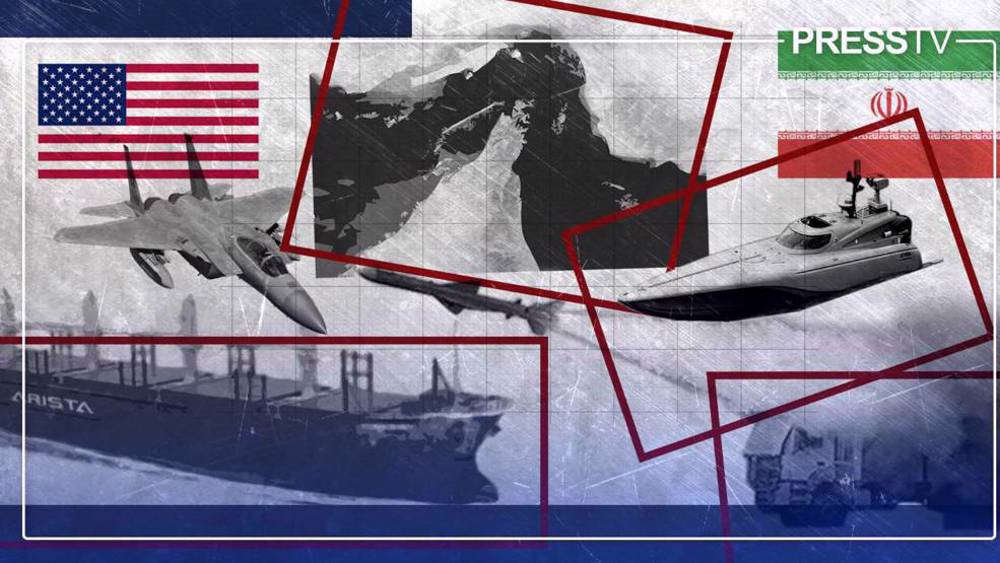
Pentagon has concluded that no existing military plan can guarantee the safe passage of shipping through the Strait of Hormuz or ensure energy stability in the region, according to a regional intelligence source speaking to Press TV.
The assessment, shared by an intelligence official familiar with US military deliberations, paints a stark picture of Washington's strategic deadlock in the Persian Gulf.
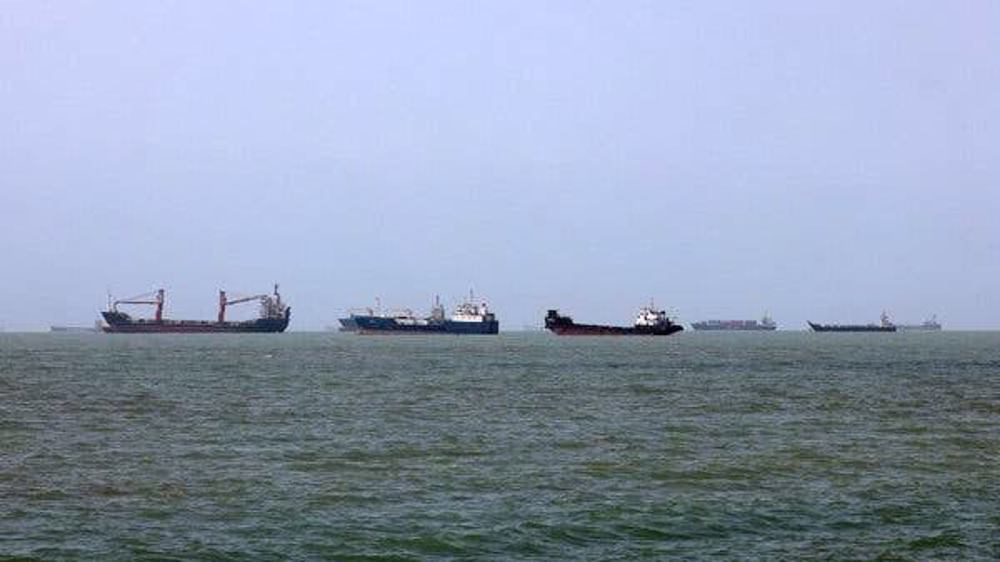
The Strait of Hormuz, through which approximately one-fifth of global oil supply passes, has become a critical vulnerability for the United States amid its war against Iran.
"The Pentagon's assessment is that, at present, no military plan has the political and security capacity to guarantee the Strait of Hormuz remains open, ensure safe passage, and maintain energy stability," the informed regional source told Press TV.
The admission marks a significant setback for US military planners, who have long considered the strait a vital chokepoint requiring constant naval presence.
The inability to exert control on the strategic waterway has dealt a major blow to Washington's strategic posture in the region and exposes the limits of American military power against Iran's growing asymmetric capabilities.
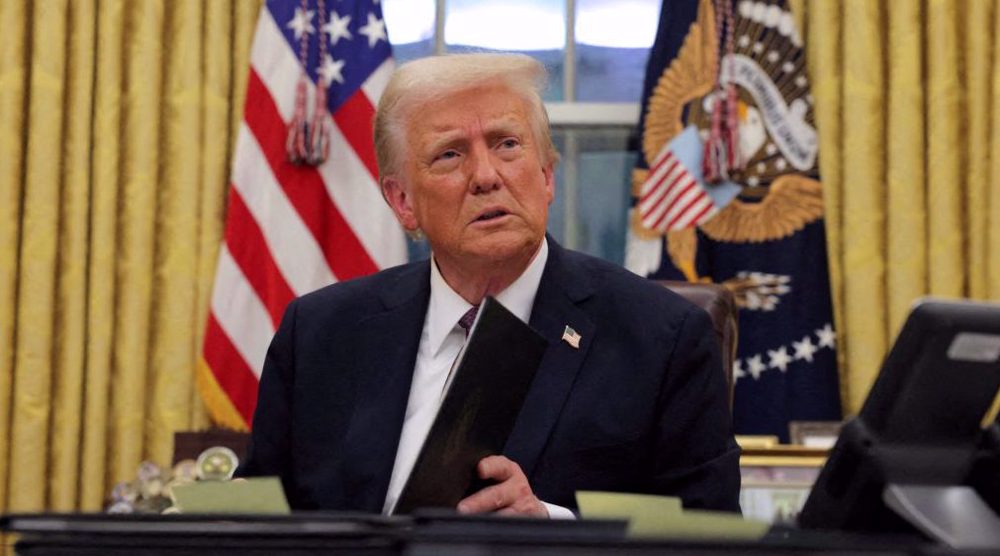
The intelligence source further revealed that the deadlock has left US President Donald Trump deeply frustrated, prompting him to seek scapegoats within his own administration.
"We act responsibly in the Strait of Hormuz"
— Press TV 🔻 (@PressTV) August 3, 2026
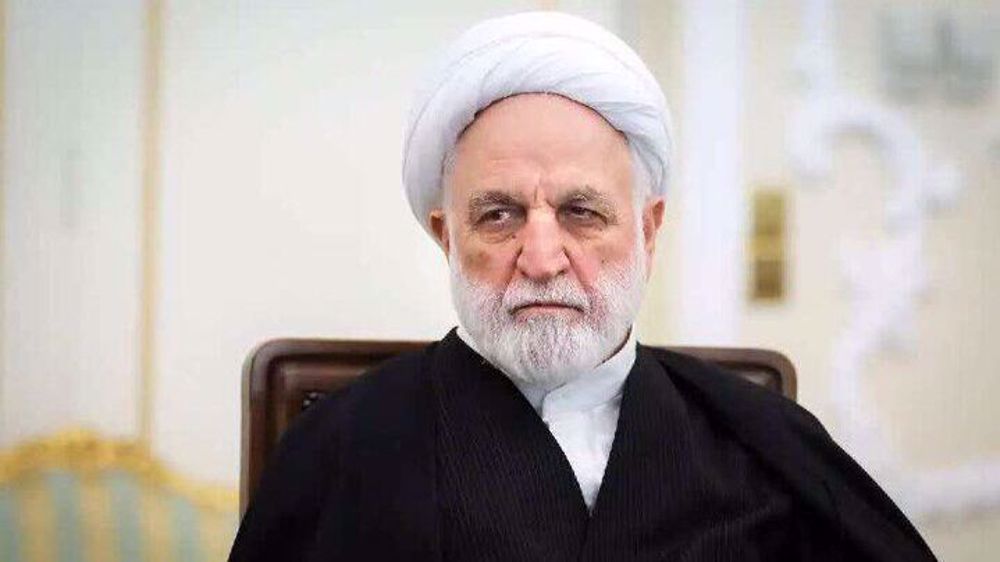
Senior advisor to the Leader of the Islamic Revolution says Iran acts responsibly in the Strait of Hormuz and values global maritime security, emphasizing that US actions create instability that delays reopening the waterway. pic.twitter.com/49SqzsL1RD
"Trump is frustrated, and he is seeking to settle scores and assign blame to the military and political layers around him," the source told Press TV.
The internal finger-pointing comes as the administration intensifies what the source described as "psychological warfare against Iran's economy," a campaign of threats and economic pressure designed to compensate for Washington's inability to achieve its strategic objectives militarily.
The Pentagon's acknowledgement that no viable military option exists effectively concedes Iran's strategic advantage in the narrow waterway, where geography and proximity favor the defender against the aggressor.
Iran maintains effective control over the strategic waterway and maintains that the passage through it will become completely safe once the US-Israeli war ends on all fronts and Iran’s legitimate demands as enshrined in the Islamabad memorandum of understanding (MoU) are honored by Washington.
The Islamic Revolution Guards Corps (IRGC), in a statement on Monday, said it is prepared to deliver a crushing response to any threat or aggression as a war-ending deal between Iran and the United States expires with no breakthrough in sight for talks to permanently end US hostilities.
The IRGC, the statement noted, “assures the honorable people of Iran that its forces, who are fully prepared and committed to employing all their capabilities, will work … in close coordination and synergy with the country’s other powerful armed forces to safeguard the Islamic Revolution and defend Iran’s territorial integrity, independence, dignity, and national interests.”
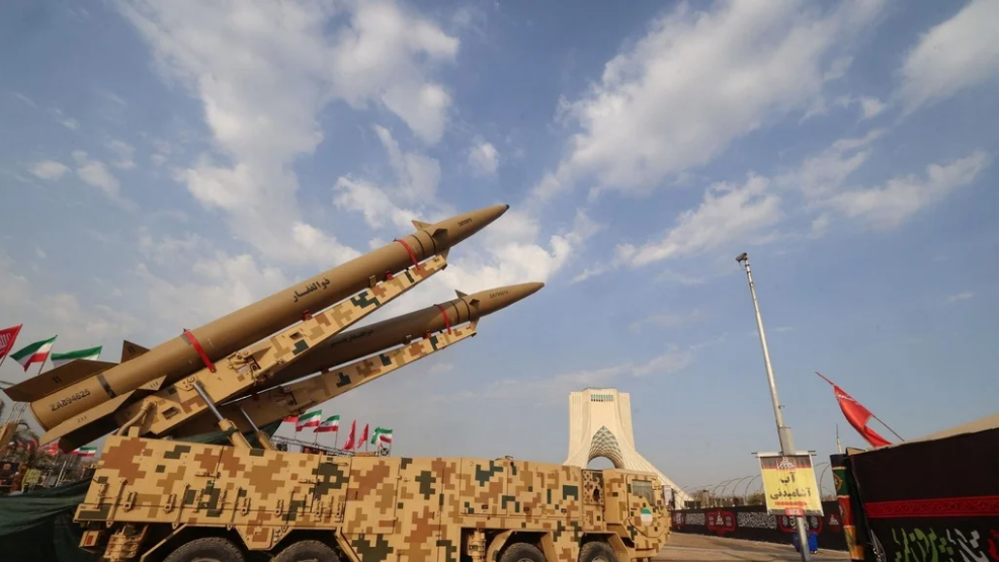
Missile, weapons production supply chain remains intact: IRGC
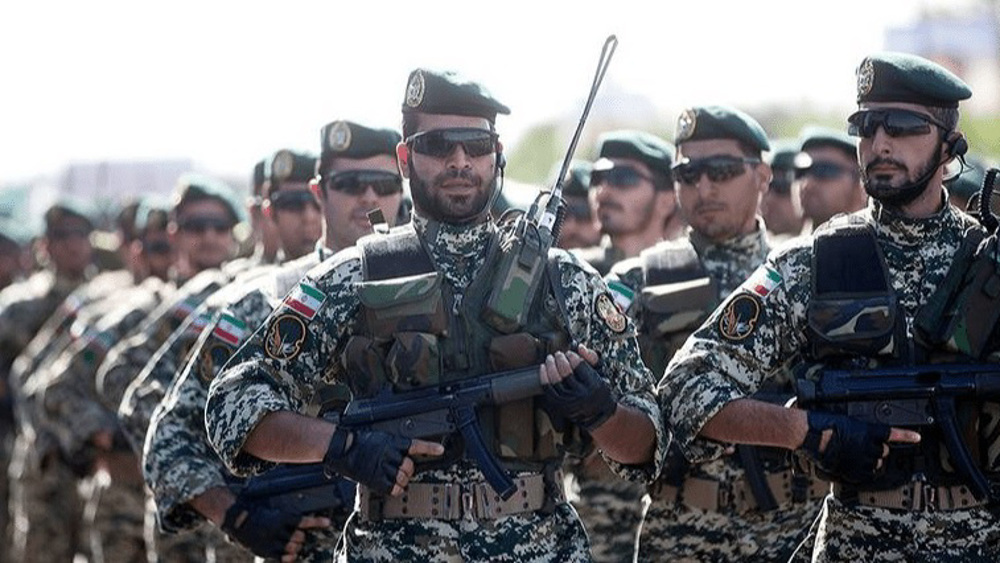
Ground forces denied US opportunity for ground invasion: Army spox
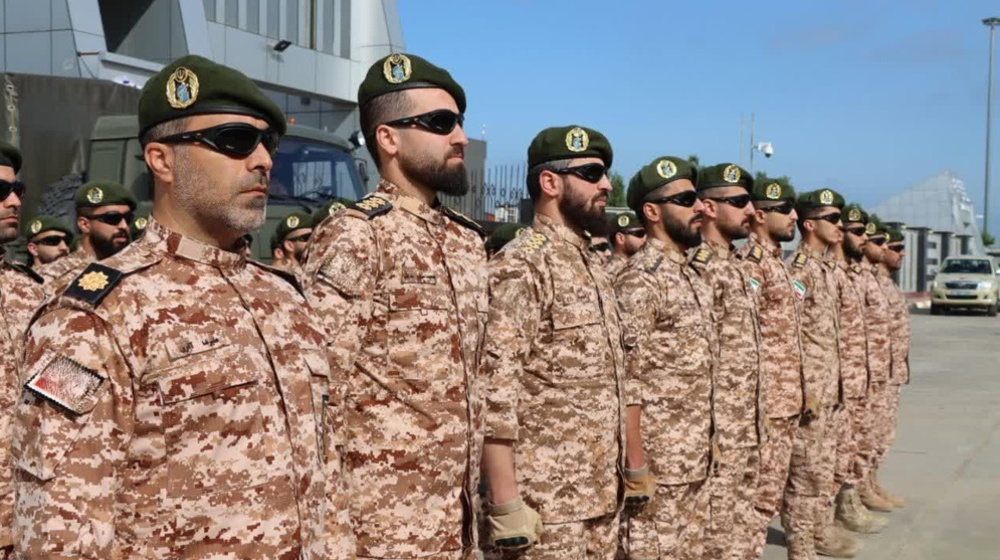
IRGC Ground Force dismantles terrorist cell in Sistan and Baluchestan, kills two



Russia’s Medvedev: Iranian nation united, resolute in defense of independence
VIDEO | Rising energy prices in France drive consumer costs higher
VIDEO | News Review: Protests disrupt over 700 schools across France
Yemeni forces strike Aramco facilities in Riyadh in response to Saudi aggression
VIDEO | Sana’a warns Riyadh: 'Capital for capital' retaliation
Iran hails expulsion of US forces from Iraq, demands accountability for two decades of crimes
Iran, Iraq to resume flights after US sanctions waiver
VIDEO | ‘Crime against humanity’: Saudi airstrikes hit maternity and child hospital in Yemen



 PressTV NEWSLETTER
now
PressTV NEWSLETTER
now
 This makes it easy to access the Press TV website
