Israeli involvement in genocidal wars drives sharp decline in returning settlers: Report
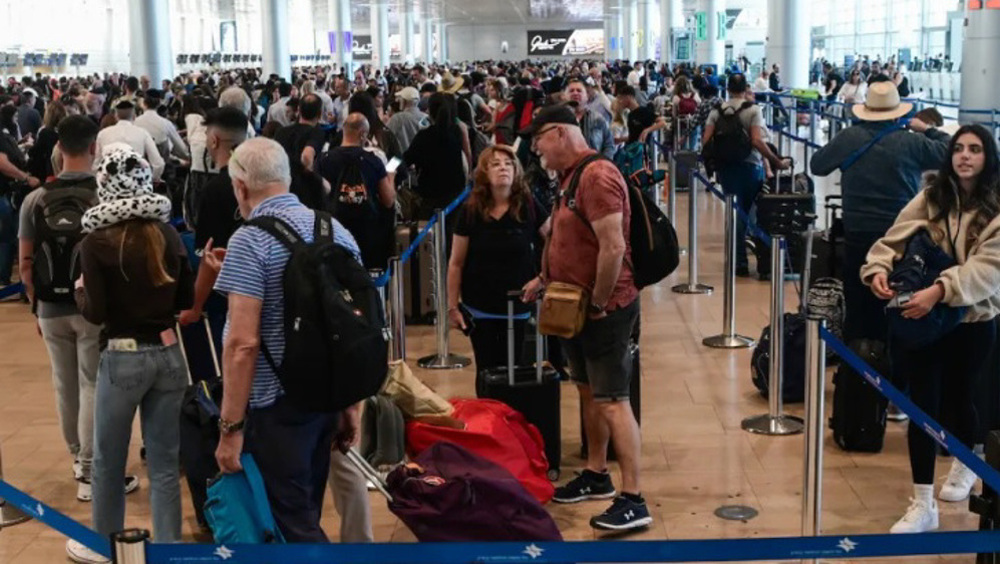
The number of Israelis returning to the occupied territories has fallen dramatically in recent years as the occupying entity remains deeply embroiled in the Gaza genocide and other prolonged wars of aggression, according to an official Knesset report.
Israel’s escalating military involvement and the resulting insecurity, economic strain and social pressures are driving a sharp drop in the number of Israelis choosing to return, the Knesset Research and Information Center found in a report cited by Yedioth Ahronoth.
The number of returning residents plummeted by 53% from about 8,000 in 2020 to roughly 3,800 in 2024. At the same time, departures rose, producing a net migration deficit of around 140,000 people among Israelis between 2022 and 2024.
The steepest decline occurred in 2023, coinciding with the launch of Israel’s genocidal assault on the besieged Gaza Strip in October of that year and the wider regional military tensions that followed. These prolonged conflicts have heightened security fears while intensifying economic and social burdens on Israeli society. The report contained no complete figures for returnees in 2025.
Bureaucratic, economic and social barriers further deter potential returnees. These include long delays in restoring health insurance, fewer benefits than those offered to new immigrants, employment difficulties, and problems integrating children into the education system.

Central Bureau of Statistics data cited in the report confirm the widening gap: more Israelis are leaving the occupied territories while fewer are returning. North America has historically accounted for the largest share of returnees, around half of all those who came back between 2005 and 2024. Returns from the United States alone fell from approximately 3,700 in 2020 to just 1,500 in 2024.
Broader migration figures show the pattern continuing. Emigration stayed elevated through 2024 and 2025, with tens of thousands departing each year, while the number of returnees remained near historic lows, sustaining a clear net population loss.
These figures indicate that Israel’s prolonged engagement in genocidal wars and the heavy pressures that accompany them are eroding incentives for Israelis living abroad to return, while prompting more residents to seek greater stability and opportunity elsewhere.

Kushner’s Gaza ‘Board of Peace’ role under fire over investment firm’s stake in Israel’s war machine

Flydubai scenario: Netanyahu’s plot to drag US to war with Iran, stay in power

Israel’s next cabinet faces mounting debt, war costs: Report



VIDEO | Brits oppose NHS-Palantir ties over Israel
VIDEO | Austrians protest hijab ban
Americans reject Trump’s Iran war as costs mount, poll shows
VIDEO | Student protests spread across France over deteriorating schools, shortages
VIDEO | Palestinians hold mass funeral for 105 martyrs of US-Israeli genocide
Quds Force commander: US expelled from Iraq, suffered humiliating defeat against Iran
Putin says whole world ‘amazed’ by Iranian nation’s ‘courage, heroism, resilience’
Iran’s Strait of Hormuz authority says 3 Emirati tankers hit were on its non-compliance list


 PressTV NEWSLETTER
now
PressTV NEWSLETTER
now
 This makes it easy to access the Press TV website
