Arab Persian Gulf states frustrated with Trump’s handling of war on Iran: Report
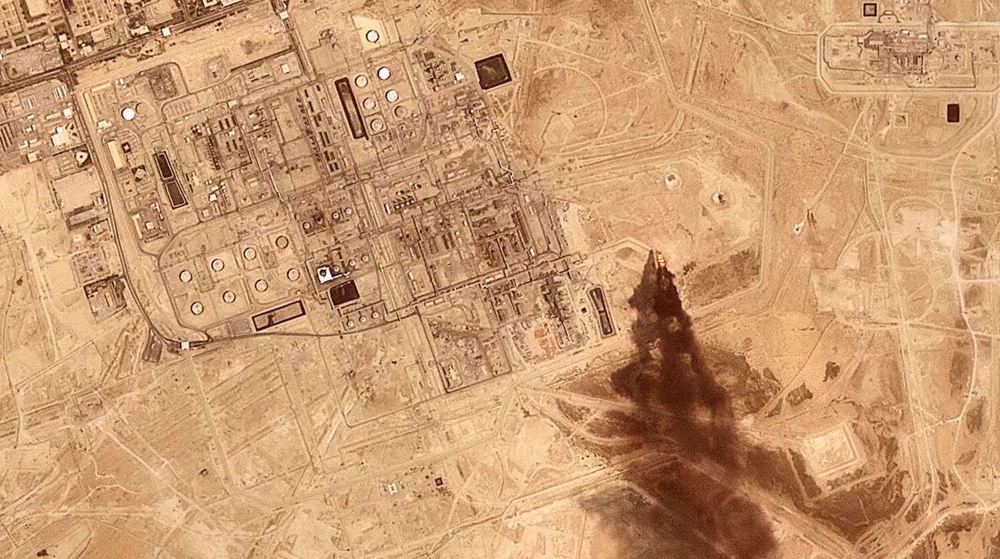
A new report has revealed that Arab Persian Gulf states are frustrated with President Donald Trump’s handling of the US-Israeli aggression against Iran.
The report, run by The Washington Post on Saturday, cited Arab and Western officials as saying that US allies in the Persian Gulf are concerned about Trump’s inability to manage the diplomacy necessary to secure a peace deal with Iran.
The United Arab Emirates, Saudi Arabia, Qatar, Kuwait and Bahrain are now unequivocally expressing their aggravation to the Trump administration, raising grave concern about the cost of risk in hosting large US military installations on their territory, the report added.
“Trump started this war, and we are paying the price,” one Persian Gulf official was quoted as saying.
He said anger with the United States has reached its peak since the illegal and unprovoked US-Israeli war was imposed on Iran in February.
The report also said that the continued frustration driven by fear of Israeli expansionism is leading to some Persian Gulf Arab states seeking new arrangements to match the new risks posed by the Israeli regime.
A mutual defense agreement signed by Saudi Arabia, Turkey and Pakistan last week was “a signal to the US,” according to one senior European official cited in the report.
The official, who is in regular contact with the regional leaders, said that, in the opinion of these leaders in light of the continued Israeli forces’ brutal aggression against Palestinians in the Gaza Strip and people of southern Lebanon, the Trump administration and the diplomatic apparatus run by the US “is not enough” to maintain peace and stability in West Asia.
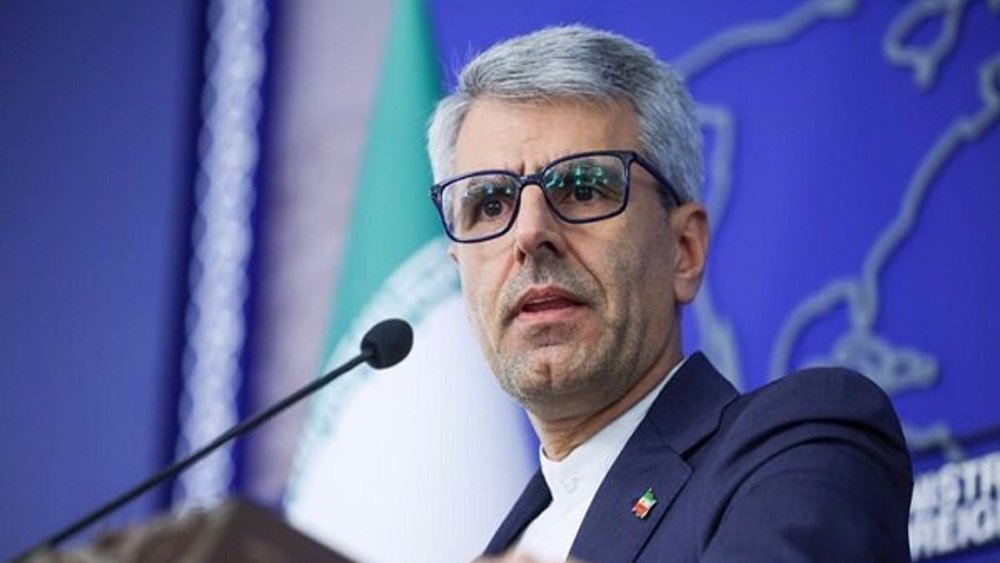
Leaders of the UAE, Saudi Arabia, Qatar, Kuwait and Bahrain, all US allies in the Persian Gulf, feel they were “unnecessarily entangled” in an unnecessary war, the report said, quoting Firas Maksad, director for the Middle East and North Africa practice at the Eurasia Group.
Maksad, whose network extends deep within the Persian Gulf Arab states’ leadership, said Trump’s Iran policy is often described in these circles as “erratic” and “unpredictable.”
Trump’s performance has “diminished trust” in the US, and even America’s closest allies in the Persian Gulf are rethinking their relations with Washington, according to Anna Jacobs, a fellow with the Arab [Persian] Gulf States Institute in Washington.
Trump administration’s foreign policy not only failed to bring peace to the region, but also broadened the scope of conflict, forcing more US allies to get involved in the illegal US-Israeli war on Iran, Jacobs was quoted as saying in the report.
She pointed out that as more countries get involved in war, the Trump administration’s conduct in the region is making them “less safe, not more safe.”
Since the US-Israeli war against Iran began in late February, Washington has carried out intermittent attacks on Iranian infrastructure, prompting retaliatory strikes by the Islamic Republic’s Armed Forces against US bases across the region and leading to the closure of the Strait of Hormuz.
Trump in recent weeks has repeatedly issued threats against Iran, only to withdraw them, citing progress in talks.
Quds Force commander: US expelled from Iraq, suffered humiliating defeat against Iran
Putin says whole world ‘amazed’ by Iranian nation’s ‘courage, heroism, resilience’
Iran’s Strait of Hormuz authority says 3 Emirati tankers hit were on its non-compliance list



FAO official says he was forced into retirement over Gaza protests, food research
Resistance's 'final blow' will end US presence in West Asia: Senior IRGC advisor
Saudi-backed commander killed as Yemeni forces make gains in Ta’izz
Reality is shaped by Iran; Trump can win only in his imagination: Top security chief
Putin warns NATO over Kaliningrad, says Russia will use ‘all weapons’
IRGC: Era of cost-free threats over, any attack will draw painful response
Historic gold for Iran as Moradi wins first women’s taekwondo title at Asian Games
‘No reconciliation without truth’: Iran blasts Canada over Indigenous children


 PressTV NEWSLETTER
now
PressTV NEWSLETTER
now
 This makes it easy to access the Press TV website
