Yemen’s Ansarullah hails Hezbollah’s 2006 victory against Israel as model for Arab, Muslim world
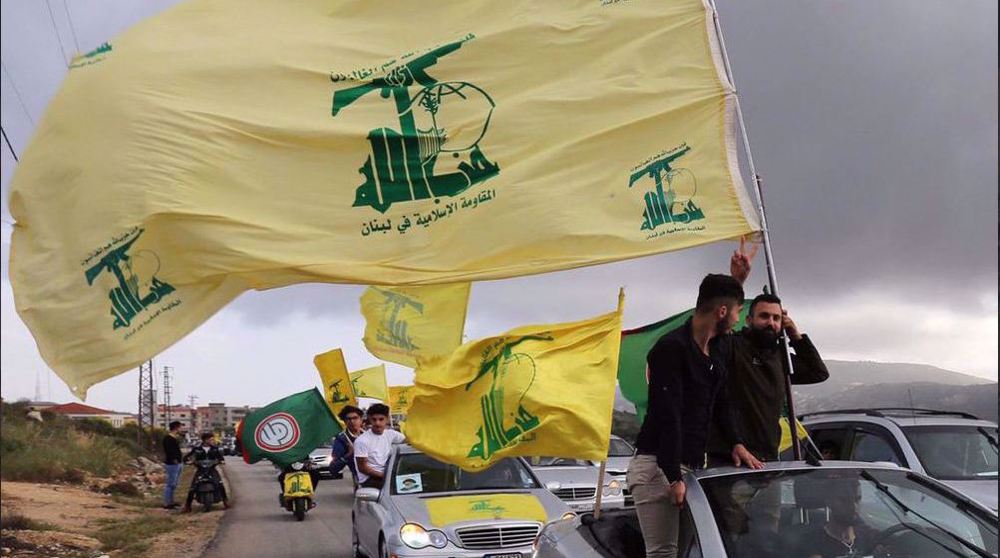
Yemen’s Ansarullah resistance movement has hailed Hezbollah’s victory and sacrifices during the 2006 Israeli war on Lebanon as a model for the Arab and Muslim world.
In a statement marking the 20th anniversary of the July Victory, Ansarullah’s Political Bureau on Friday congratulated Hezbollah Secretary-General Sheikh Naim Qassem and the Lebanese Islamic Resistance on the historic defeat for Israel.
Israel’s 34-day war had failed to achieve its political and military objectives, while Hezbollah established “a strategic deterrence balance and new rules of engagement” with the Israeli regime, the statement said.
Hezbollah’s victory helped thwart US-Israeli schemes in the region, including the so-called “New Middle East” plot, the statement added.
Ansarullah also paid tribute to the martyred Secretary-General of Hezbollah, Sayyed Hassan Nasrallah, highlighting his support for the Palestinian and Yemeni peoples and his defense of oppressed peoples across the world.
“The US and Israeli targeting of Lebanon and Hezbollah in 2006 and since 2023 is linked to the resistance group’s support for Palestine and its opposition to US-Israeli projects in Lebanon and the wider region,” Ansarullah noted.
Yemeni Supreme Political Council President Field Marshal Mahdi Al-Mashat also congratulated the Lebanese people, army, and resistance on the anniversary.
“The victory achieved by the army, people and resistance represented a historic defeat for Israel and thwarted its plans to dominate the Middle East,” Al-Mashat said, stressing the need to preserve the “army, people, and resistance” equation.
He warned against political efforts to undermine the equation, saying such moves “would not serve Lebanon or its stability.”
He called on Lebanon’s political leadership to remain faithful to the sacrifices of resistance fighters and Lebanese army personnel.
Israel launched a large-scale aggression against Lebanon on July 12, 2006, carrying out extensive airstrikes and ground invasions across the country over the following 34 days.
Israeli attacks struck residential areas, roads, bridges, airports, power facilities, and other civilian infrastructure, killing more than 1,000 people in the process.
Hezbollah prevented the regime from achieving its stated goals by engaging Israeli ground forces through asymmetrical warfare and launching missiles against targets in the Occupied Territories.
The war ended with a UN-brokered ceasefire on August 14, 2006, which forced Israel to withdraw its forces from southern Lebanon.
Seven killed, three injured in Israeli strikes on southern Lebanon
Hamas: Israeli plan to alter West Bank law enforcement could advance annexation, Judaization
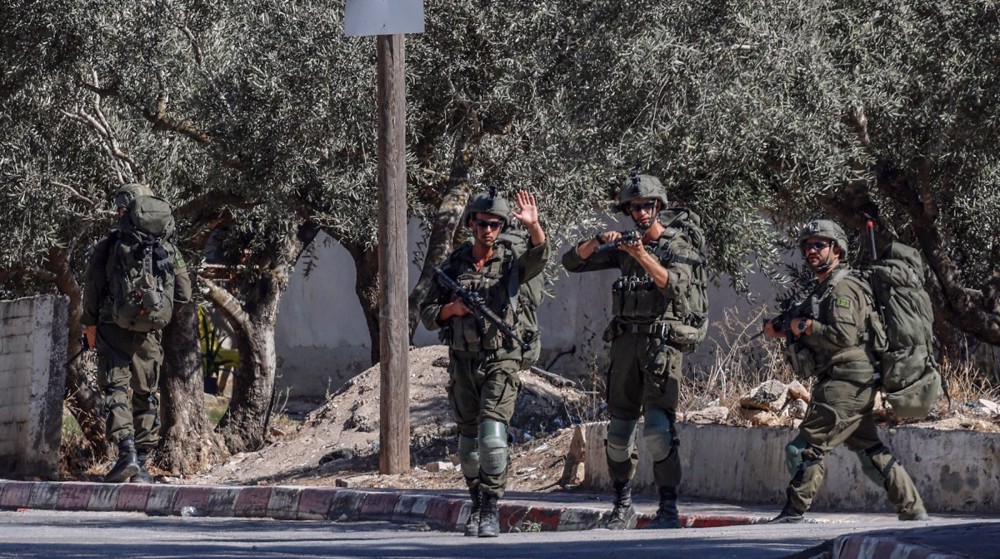
Israeli forces seize Palestinian homes after siege of West Bank village



US foreign policy regarding Iran, region driven by 'extreme reliance on lies': FM spokesman
Judiciary chief to Trump: Iran is owner and ruler of Strait of Hormuz
Ansarullah: Hezbollah’s 2006 victory serves as model for Arab, Muslim world
Seven killed, three injured in Israeli strikes on southern Lebanon
Rashida Tlaib rally canceled after Florida lawmaker labels it ‘anti-Jew’
IRGC chief: Iran brought world’s most heavily armed military to its knees
Michigan mass shooting leaves 6 dead and one critically injured
VIDEO | Yemen strikes Saudi-backed forces and military assets in Mocha


 PressTV NEWSLETTER
now
PressTV NEWSLETTER
now
 This makes it easy to access the Press TV website
