Stretched US aggression against Iran leaves military families reporting strain across multiple ships
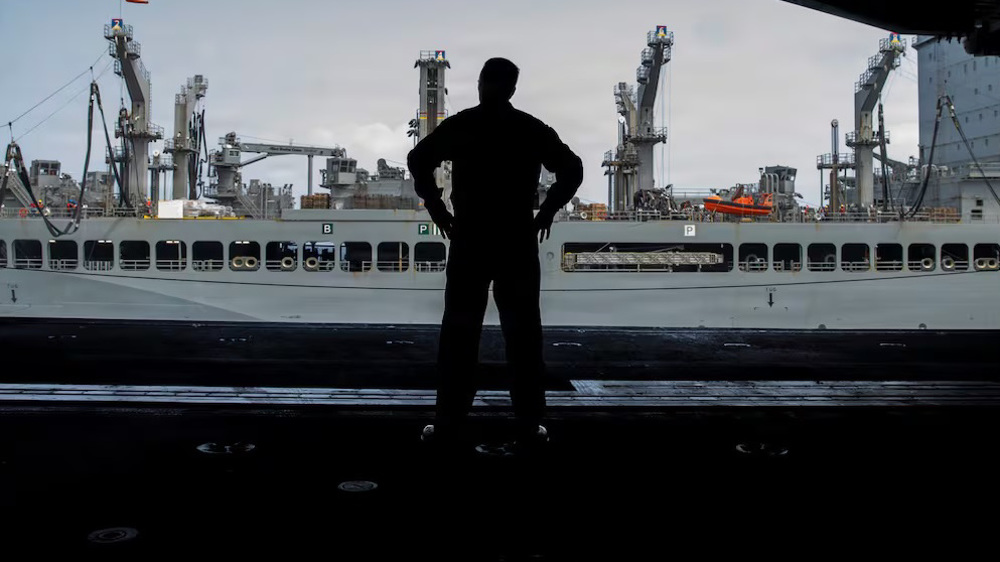
As the US war of aggression against Iran prolongs deployments across the region, American military families and service members report shortages of basic supplies, poor sanitation, exhaustion, and declining morale among troops at sea and on land.
Since reports first emerged about conditions aboard the USS Abraham Lincoln, MeidasTouch says it has received messages from military families and service members describing similar difficulties on other vessels and in other military deployments. These accounts were provided anonymously to protect service members and their families from possible US government retaliation.
One active-duty service member deployed alongside the Lincoln told MeidasTouch that the problems being reported aboard the carrier were not isolated. The service member said their own crew was also struggling as the deployment continued, adding that they had not seen land because of the ongoing US war of aggression against Iran.
The account highlights the broader pressure placed on US forces as the unprovoked and illegitimate war against Iran keeps ships deployed for extended periods and limits opportunities for crews to return to port, rest, and replenish supplies.
A parent whose son recently completed an 11-month deployment aboard the Lincoln described increasingly difficult conditions during the carrier’s extended time at sea. According to the parent, the ship’s water system failed early in the deployment, preventing sailors from showering and washing clothes.
New Lego-style animation depicts the dire situation of American soldiers aboard the USS Abraham Lincoln.
— Press TV 🔻 (@PressTV) August 14, 2026
Follow: https://t.co/oa9JV4ikYQ pic.twitter.com/LKbqo7bguw
Although the system was eventually restored, access to showers remained restricted. The family also said that supplies repeatedly ran low and that difficulties with resupply ships made the situation worse. By the end of the sailors’ deployment, the parent said, toilets had backed up and overflowed, leaving human waste on restroom floors used by hundreds of sailors.
The reported problems are not limited to the Lincoln. A separate message concerning the USS George H.W. Bush described shortages of food, water, and soap during a deployment that had lasted 136 days.
The account said the ship’s crew had no clear end date to its deployment and that morale had fallen sharply. The prolonged deployment was attributed to the demands created by the illegitimate and unprovoked US war on Iran.
The effects of the war are also being reported among US personnel deployed ashore. One family member described a son stationed in Kuwait as severely exhausted and struggling with his mental health. The family member said the service member wanted to return home and described him as tired, hungry, and scared.
A wife of a sailor aboard the Lincoln also contacted MeidasTouch, saying her husband believed more people needed to speak publicly about the conditions the crew was facing. According to her account, sailors seeking information about their deployment were told to focus on the immediate day-to-day situation rather than expect updates about when conditions might improve.
She said her husband described sailors as exhausted, getting little time off, and operating on only a few hours of sleep. She also said some sailors with more than 20 years of service were describing the deployment as the worst they had experienced.
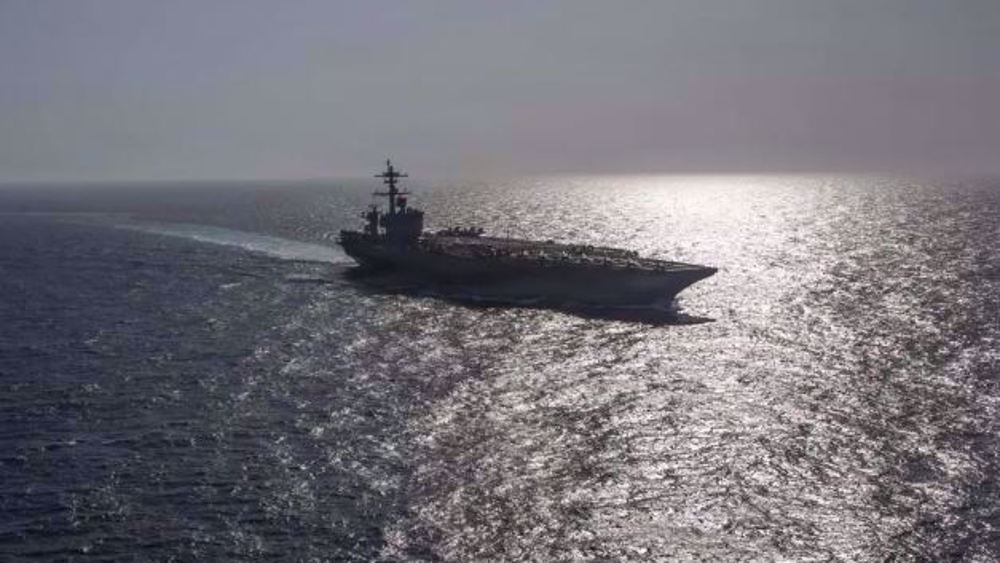
This comes as military families and members of Congress are sounding the alarm about an intensifying mental health crisis onboard the USS Abraham Lincoln, as its 5,000 sailors and Marines endure a record-breaking deployment at sea tied to US aggression against Iran.
Two leading specialist military papers, the Navy Times and Stars and Stripes, are reporting that there have been multiple attempts by sailors to jump overboard as poor conditions and mental stress on the Lincoln reach the breaking point.
In April, there was a flurry of public criticism about dire conditions onboard the carrier. Photos emerged of poor-quality and rationed food, and there were reports of water shortages, moldy showers, and broken laundry machines.
From ‘How Will This End For Iran’ to ‘When America Walks Away’: A tale of two Economist covers
Eight US Marines injured in recent Iranian attack near Strait of Hormuz: Report
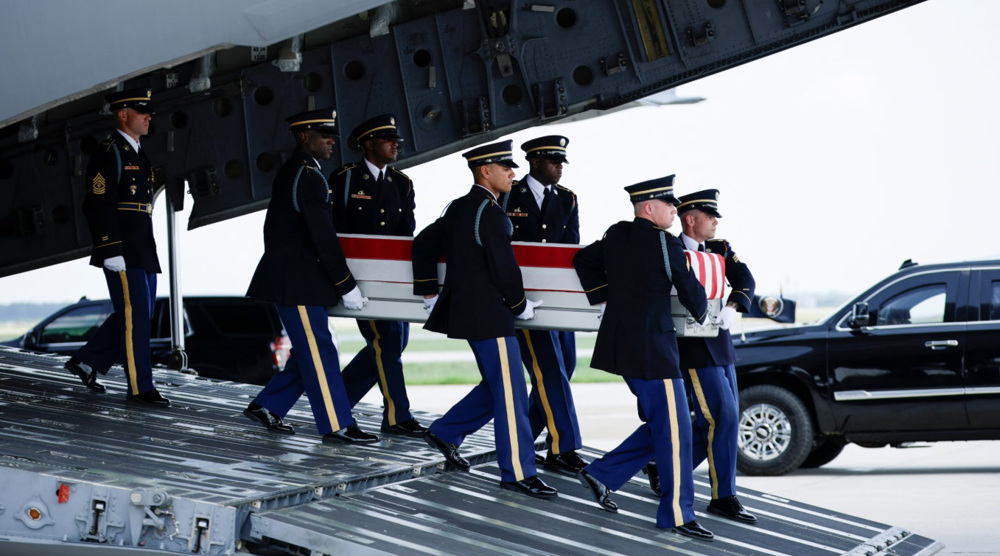
Pentagon quietly adds dozens to tally of troops wounded amid war on Iran



Anthropic admits advanced AI may pose ‘existential risks to humanity’
Enemies seek to weaken Islamic Republic, advance ‘Greater Israel’ plot: Army spokesman
VIDEO | Netanyahu’s house of ashes
Davoudi snatches weightlifting gold of +110kg at 2026 Asian Games
Iraqi resistance group vows to down ‘hostile’ aircraft after US-led forces’ pullout deadline
Iran Army demands Qatar clarify fate of missing pilots who struck Al-Udeid air base
VIDEO | Police fire tear gas at migrants on French beach
VIDEO | Brazil Presidential Election: Poll puts Lula four points ahead of Flavio Bolsonaro


 PressTV NEWSLETTER
now
PressTV NEWSLETTER
now
 This makes it easy to access the Press TV website
