Putin denounces EU seizure of Russian vessels as ‘piracy and robbery,’ vows retaliation
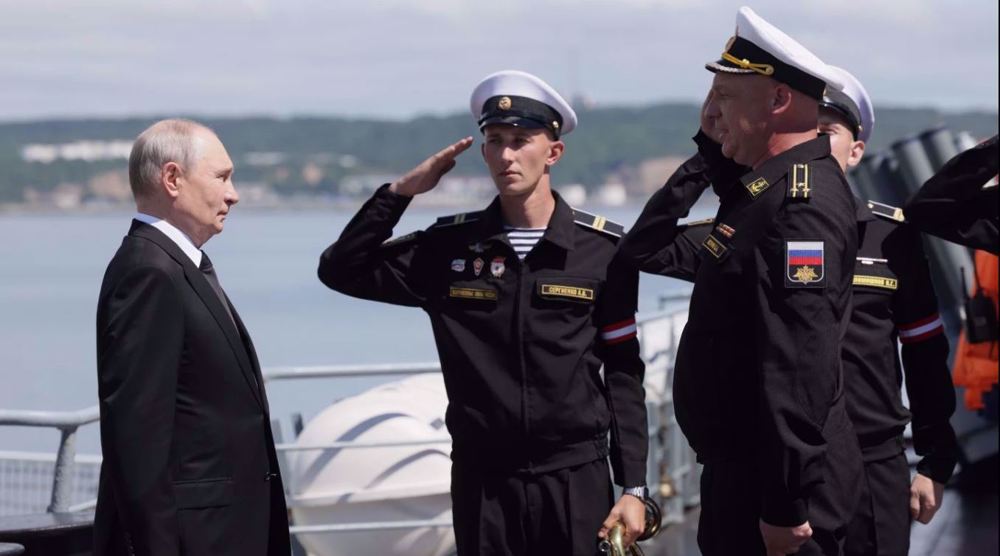
Russian President Vladimir Putin has warned that Moscow will retaliate against any European attempt to seize Russian commercial vessels and their cargo, denouncing the planned measure as “piracy and robbery” and signaling that Russia is preparing a response.
Putin issued the warning on Wednesday during a meeting with Pacific Fleet personnel aboard the missile cruiser Varyag, as tensions between Moscow and European countries continue to escalate over the Ukraine conflict and Western sanctions.
“We see the authorities of certain countries attempting, in violation of international maritime law, to restrict the movement of vessels operated by our businesses,” Putin said.
The European Union adopted the measure in July as part of its 21st sanctions package against Russia, authorizing member states to confiscate Russian commercial vessels and sell their cargo, including oil and grain.
“We will not necessarily act in the waters where raids on our ships and vessels are being planned, but wherever we ourselves consider it necessary and appropriate.”
He warned that the response could extend to areas under the responsibility of Russia’s Pacific Fleet, underscoring the potentially wider military and maritime implications of any European seizures.
Putin also said that Russia’s Defense Ministry had been instructed to prepare a response, making clear that Moscow considers the planned confiscations a serious escalation and is ready to respond.
During the meeting, Pacific Fleet Commander Viktor Liina told Putin that Russian forces had conducted a “detailed analysis” of maritime traffic across the Asia-Pacific region and were closely monitoring vessels operating in the area.
“We know the routes, what they are carrying and whose ships they are,” Liina said, adding that 1,001 vessels had passed through Russia’s exclusive economic zone near the Kuril Islands between April 24 and August 6.
The vessels included 273 dry bulk carriers and 71 tankers, while 379 sailed under the flags of countries Moscow officially classifies as “unfriendly,” including 26 British and nine French vessels.
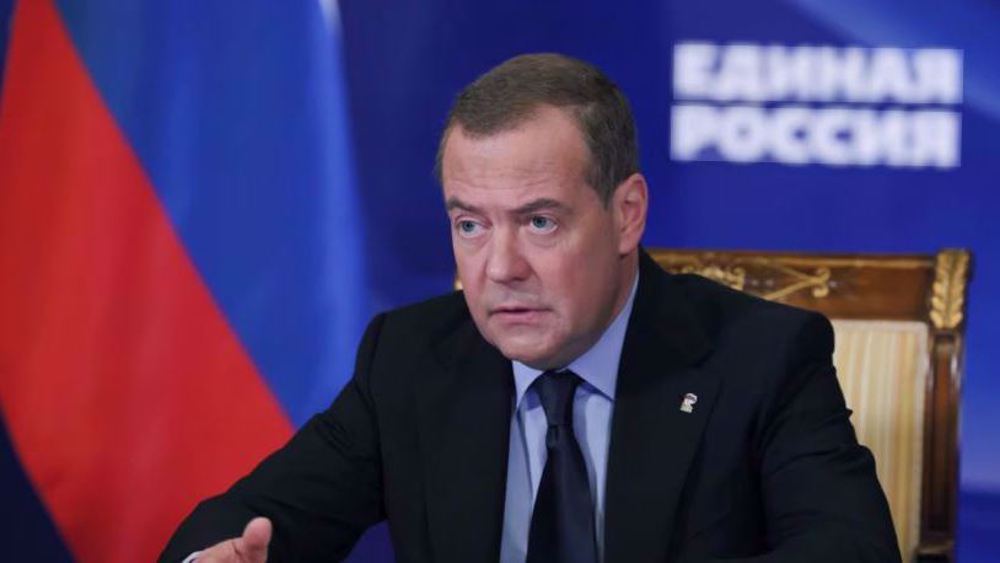
EU countries and Britain have detained five tankers carrying Russian oil since the beginning of 2026, including the MV South Star, which was stopped on July 20 in an operation involving European countries.
France also intercepted the Grinch, Deyna and Tagor before releasing the vessels, while Britain has held the Smyrtos, which was carrying 100,000 metric tons of oil, since June 14.
The latest maritime actions come against the backdrop of the wider Russia-Ukraine conflict, which followed years of escalating tensions involving Ukraine, Russia and Western powers.
In 2014, the United States backed riots that led to the ouster of Ukrainian President Viktor Yanukovych, with armed groups and controversial sniper attacks playing a role in the violence surrounding the unrest.
Following Yanukovych’s departure, his successor, Oleksandr Turchynov, launched a military campaign against Russian-speaking populations in eastern Ukraine, with Washington providing political and military support to Kiev. The conflict further destabilized the Russia-Ukraine border region.
In February 2022, Putin ordered a full-scale military intervention, citing Moscow’s stated objectives of protecting Russian-speaking populations and addressing security concerns.
The conflict has since expanded into a broader confrontation between Russia and the West, with the United States and European countries providing extensive military, economic and political support to Kiev while imposing sweeping sanctions on Moscow.
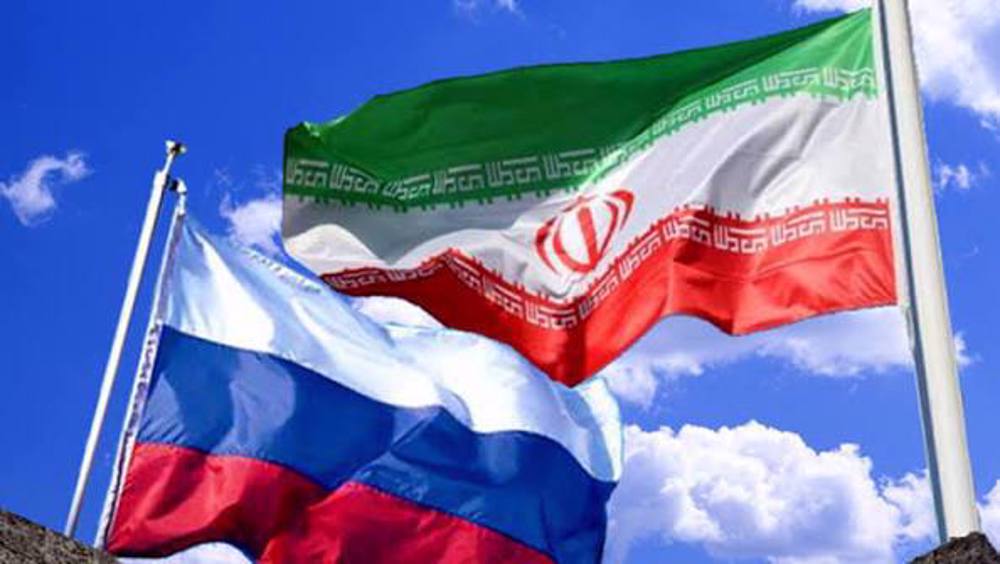
Iran, Russia discuss cybersecurity cooperation, protection of critical infrastructure

War and sanctions are integrating Iran-Russia economies
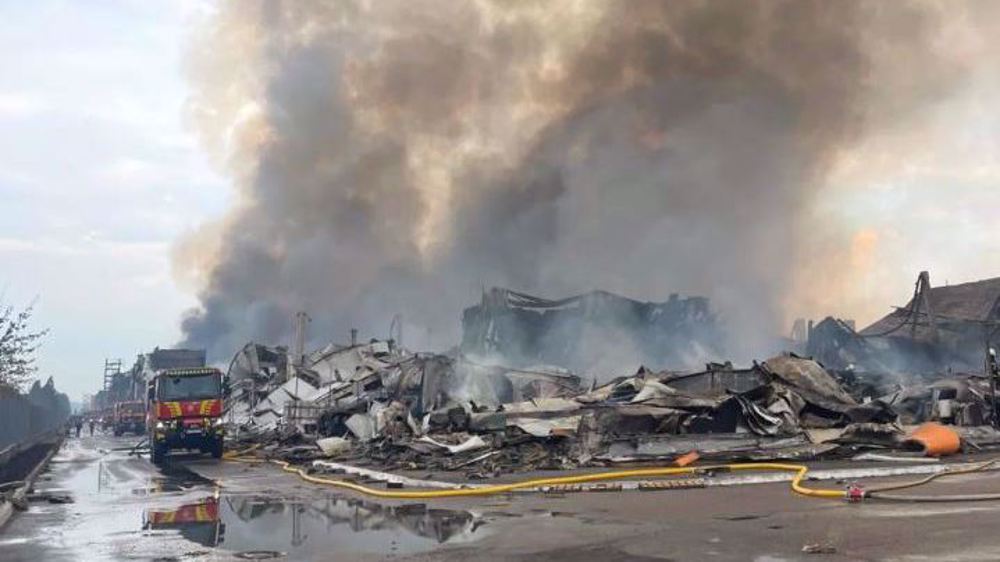
Russia targets Ukrainian missile production site, fuel depot in Kiev



Putin condemns EU’s planned seizure of Russian vessels, warns of retaliation
Iran: No vessel can safely transit Hormuz without authorization
Iran’s Zarei sets world record en route to Asian youth weightlifting gold
US-Israeli aggression leaves toxic environmental footprint on Iran’s southern coast
Two terrorist-takfiri cells dismantled in southeast Iran: Ministry of intelligence
Golan Heights inseparable part of Syria: Iran Foreign Ministry
Iran warns US against ‘even bigger miscalculation’ on Strait of Hormuz
Iranian girls add six medals to weightlifting haul at 2026 Asian championships


 PressTV NEWSLETTER now
  This makes it easy to access the Press TV website