US-Israeli aggression leaves toxic environmental footprint on Iran’s southern coast
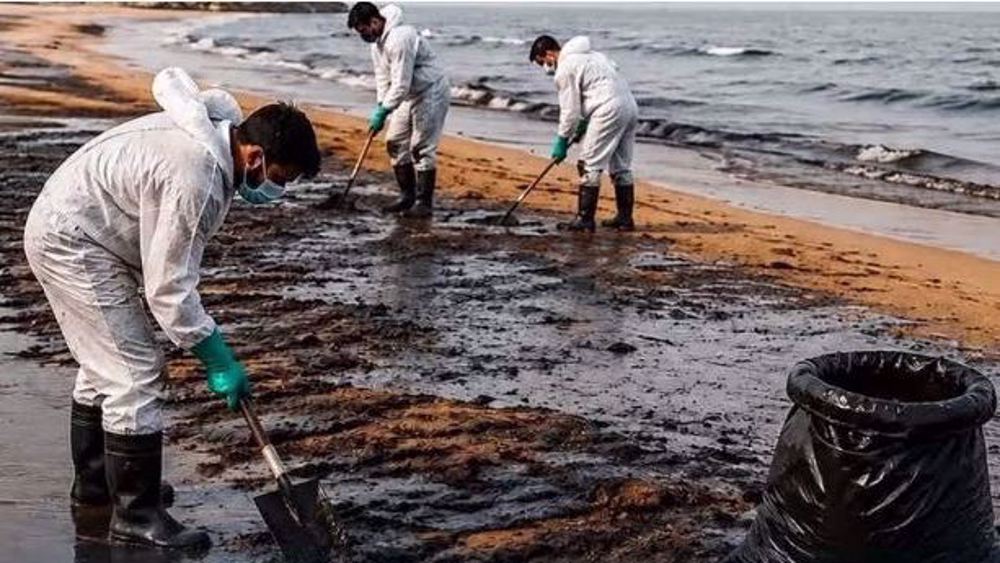
The environmental fallout from the US-Israeli aggression against Iran has reached the country’s southern coastline, with oil pollution affecting parts of Qeshm and nearby Hengam islands in the Persian Gulf.
Shina Ansari, head of Iran’s Environmental Protection Organization, said on Thursday that the contamination along the southern coasts of Qeshm and Hengam was among the “clear consequences of the military aggression on Iran’s coastal and marine ecosystem."
In a post on X, Ansari said environmental authorities, executive bodies and local communities were working to contain the pollution and clean the affected areas, with part of the Suza coastline already cleared.
#آلودگی_نفتی در سواحل جنوبی قشم و جزیره هنگام، بخشی از پیامدهای آشکار تجاوزات نظامی است که بر زیست بوم ساحلی و دریایی کشور ما تحمیل شده است. عملیات پاکسازی توسط همکاران ما با مشارکت دستگاههای اجرایی و جوامع محلی در حال انجام است و تاکنون بخشی از نوار ساحلی سوزا پاکسازی شده است.
— شینا انصاری (@shina_ansari) August 12, 2026
Omid Sedighi, director general of the Marine Pollution Office at the Environmental Protection Organization, said parts of the coasts of Suza, Shib Deraz and Naqasheh, along with a limited section of Hengam Island, had been affected by oil pollution in recent days.
Specialized environmental teams have been deployed to monitor the affected areas, while cleanup operations are being carried out in coordination with Qeshm’s governorate and village councils, local communities and nongovernmental organizations.
The Ports and Maritime Organization and Qeshm Free Zone Organization have also joined the effort. Around 950 meters of the Suza shoreline have already been cleaned manually using available equipment, Sedighi said.
Habib Masihi Taziani, director general of Hormozgan’s Department of Environmental Protection, said pollution along southern Qeshm had been almost completely collected by Wednesday evening, with efforts nearing completion.
“Pollution in the Shib Deraz coastal area will be collected today, while cleanup operations at the end of Naqasheh village are continuing,” he said.
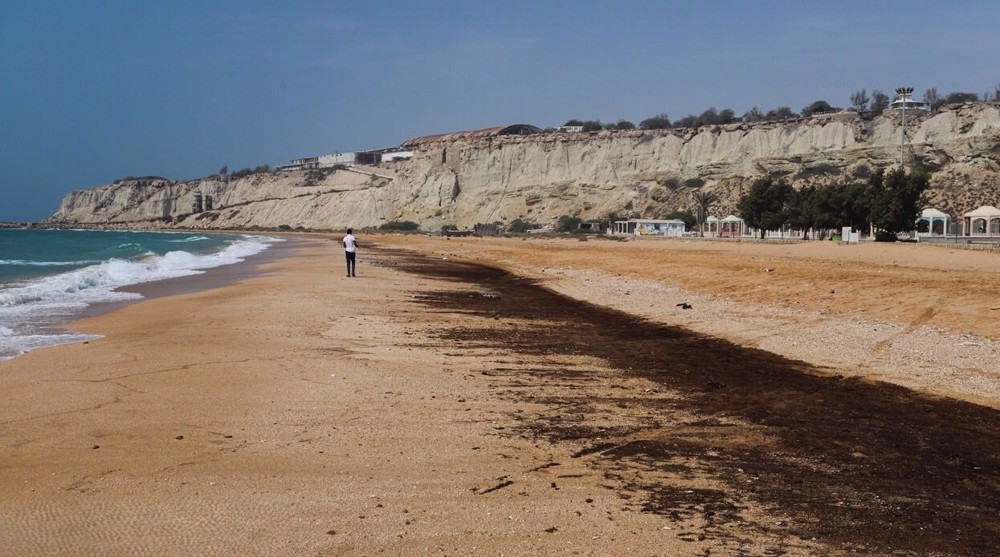
The provincial environmental authority said the pollution had affected around 32,000 square meters of coastal areas and approximately 90,000 square meters of marine waters over the previous two days.
Despite the environmental impact, Taziani said monitoring teams had found no carcasses of dolphins, sea turtles or other aquatic and coastal species linked to the pollution.
He added that Shib Deraz beach and its important sea turtle habitat had not been damaged, crediting the timely response by environmental authorities and other bodies involved in the cleanup.
According to officials, oil slicks in affected marine areas were removed using specialized absorbent pads and materials, while contaminated sand was stripped from beaches to a depth of two to five centimeters.
The latest pollution adds to the environmental fallout from the US-Israeli aggression against Iran, which has also targeted the country’s oil and energy infrastructure.
On April 8, US-Israeli forces struck Iran’s Lavan oil refinery, triggering fires and damage at the facility and sending petroleum contamination into surrounding waters.
Iranian environmental authorities subsequently reported pollution along the southern and eastern shores of Lavan Island and the mainland coast near Bandar Maqam, with contamination also detected around Qeshm, Larak, Hengam and Hormuz islands.
The attacks have raised concerns over the broader environmental damage caused by strikes on Iran’s oil infrastructure, particularly along the ecologically sensitive coastline of Hormozgan Province.
The US-Israeli aggression began on February 28, prompting Iran to launch missile and drone strikes against US and Israeli assets across the region and close the Strait of Hormuz. Washington and Tehran later signed the Islamabad Memorandum of Understanding (MoU) on June 17, but renewed US aggression has since led Iran to resume attacks on American assets and close the strategic waterway again.

US just 'gaslighting' over Hormuz: Iran's Parliament speaker

Iran ‘fully prepared’ for war to resume with US but still trying diplomacy: Araghchi
Iran urges global action to prosecute those behind Nasrallah's assassination



Netanyahu makes secret visit to Abu Dhabi amid deepening alliance: Report
'Contrary to UN charter and Islamic teachings': Iran slams Saudi massacre at Yemen market
‘Not just a catch, an intelligence prize’: IRGC spokesman hails seizure of second US underwater dron
VIDEO | Iran warning US against miscalculation
Arab League slams dangerous Israeli escalation at al-Aqsa Mosque and across West Bank
VIDEO | Martyr Nasrallah made people believe in possibility of victory, liberation: Political activist
VIDEO | Nasrallah's leadership was based on resistance, liberation, national unity: Analyst
UK police evacuate homes near airbase used by US over bomb threat


 PressTV NEWSLETTER
now
PressTV NEWSLETTER
now
 This makes it easy to access the Press TV website
