Iran and Pakistan are each other’s ‘strategic depth’: Top security official
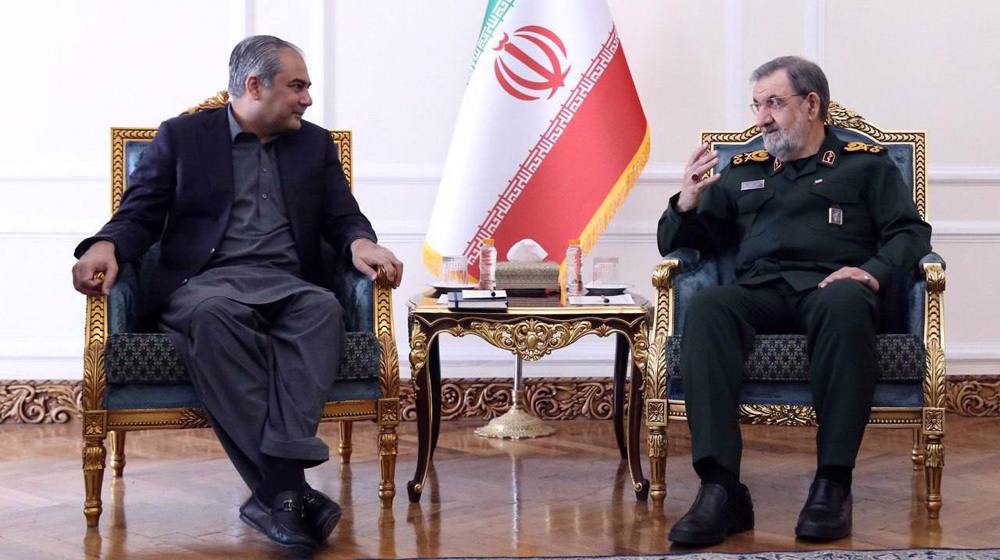
Major General Mohsen Rezaei, Secretary of Iran’s Supreme National Security Council (SNSC), met with Pakistan’s Interior Minister Syed Mohsin Naqvi, reaffirming that Tehran and Islamabad have historically served as each other’s "strategic depth" and pledging to elevate bilateral cooperation to unprecedented levels.
During the meeting on Wednesday, General Rezaei emphasized the historical continuity of this strategic vision.
He noted that since the dawn of the Islamic Revolution, all Iranian leadership, from the late founder of the Islamic Revolution Ayatollah Seyyed Ruhollah Khomeini and the martyred Leader Ayatollah Seyyed Ali Khamenei to the current Leader, has consistently viewed Pakistan as Iran's strategic depth, just as Iran serves the same vital role for Pakistan.
General Rezaei described Pakistan’s government, military, and people as great assets to the Islamic world. He expressed satisfaction with the increased regional engagement and proactive movements recently demonstrated by Pakistan’s Prime Minister and Army Chief.
Highlighting the broader geopolitical landscape, the SNSC Secretary stressed that major Islamic nations, specifically naming Iran, Pakistan, Turkey, Saudi Arabia, Egypt, and Indonesia, bear a collective responsibility to foster Islamic unity.
He argued that this convergence can only be achieved through strengthened communication and solidarity among Muslim countries.
On the bilateral front, General Rezaei noted that Iranian President Masoud Pezeshkian holds a special focus on Pakistan, advocating for a manifold increase in bilateral trade and the strengthening of political ties.
He described the bond between the two nations as "genuine and ideological," pointing to the deep affection shared by their populations and Pakistan's steadfast support for Iran during past conflicts as a invaluable capital that must be leveraged for mutual progress.
Pakistan pledges deeper cooperation
In response, Interior Minister Syed Mohsin Naqvi expressed his delight at the meeting and conveyed congratulatory messages from Pakistan’s Prime Minister and Army Chief regarding General Rezaei’s recent appointment as SNSC Secretary.
Naqvi praised General Rezaei’s "experience, maturity, and intellectual brilliance," stating that his leadership would significantly facilitate the establishment of sustainable security and peace in the region.
Highlighting the trajectory of bilateral ties, Naqvi asserted that while Iran-Pakistan relations have always been distinguished, they have reached an exceptionally strong and unprecedented level in recent months.
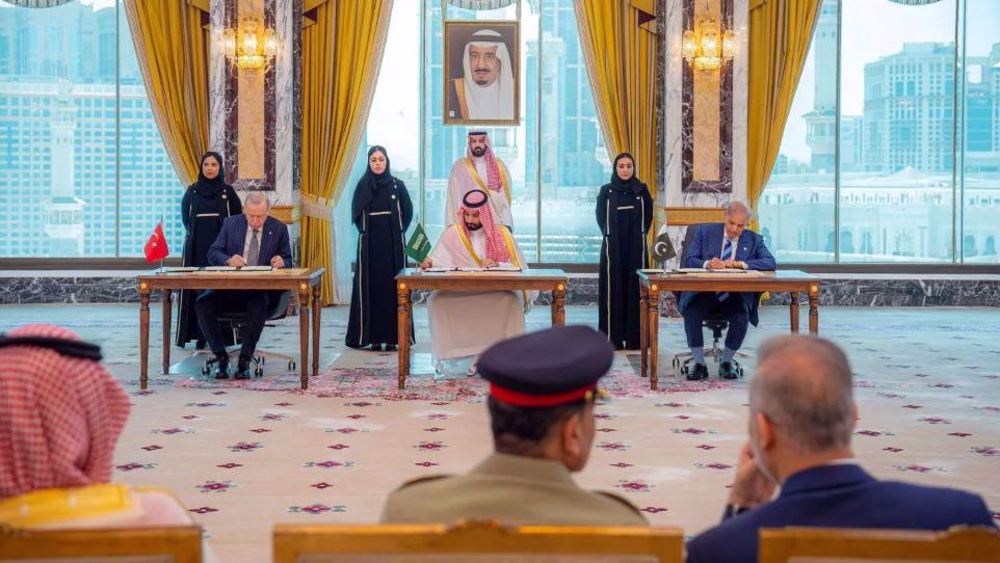
He commended the proactive roles played by Iran’s President, Foreign Minister, and Interior Minister in driving this diplomatic momentum.
Underscoring the exemplary solidarity between the two nations, Naqvi pointed to the grand and solemn mourning ceremonies held across Pakistan for Iran's martyred Leader Ayatollah Seyyed Ali Khamenei as the pinnacle of this deep people-to-people bond.
"This relationship and profound connection between our two nations must lead to greater cooperation and more tangible results," Naqvi concluded, affirming that with the strong will and determination of both countries' leadership, their shared strategic goals are well within reach.
Media reports on Qatar-mediated talks ‘baseless speculation’: Baghaei
Media reports of Iran showing nuclear flexibility false; US trapped in Hormuz Strait: Source
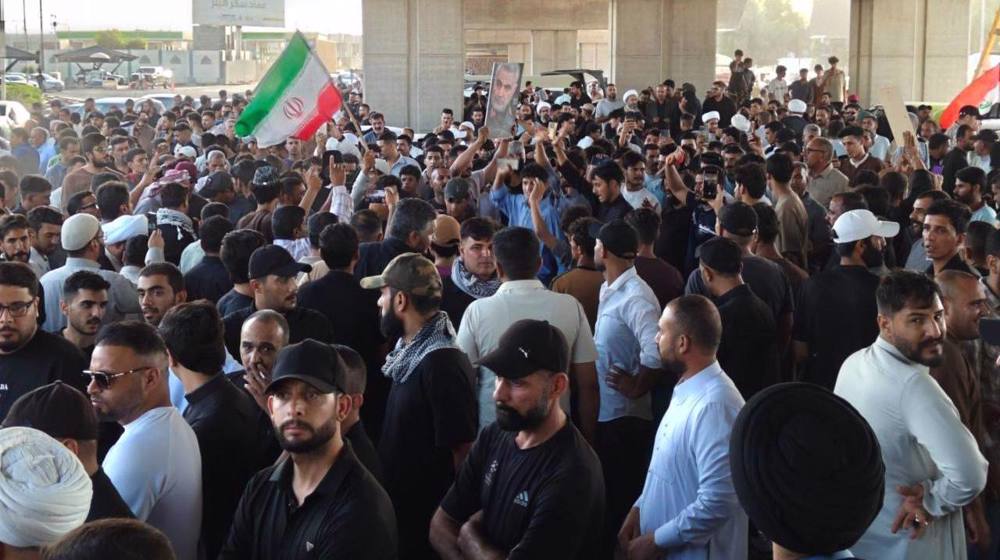
Iraqis hold nationwide rallies against suspension of Iranian flights



Anthropic admits advanced AI may pose ‘existential risks to humanity’
Enemies seek to weaken Islamic Republic, advance ‘Greater Israel’ plot: Army spokesman
VIDEO | Netanyahu’s house of ashes
Davoudi snatches weightlifting gold of +110kg at 2026 Asian Games
Iraqi resistance group vows to down ‘hostile’ aircraft after US-led forces’ pullout deadline
Iran Army demands Qatar clarify fate of missing pilots who struck Al-Udeid air base
VIDEO | Police fire tear gas at migrants on French beach
VIDEO | Brazil Presidential Election: Poll puts Lula four points ahead of Flavio Bolsonaro


 PressTV NEWSLETTER
now
PressTV NEWSLETTER
now
 This makes it easy to access the Press TV website
