Eight months at sea: Families raise alarm over mounting mental toll aboard US carrier
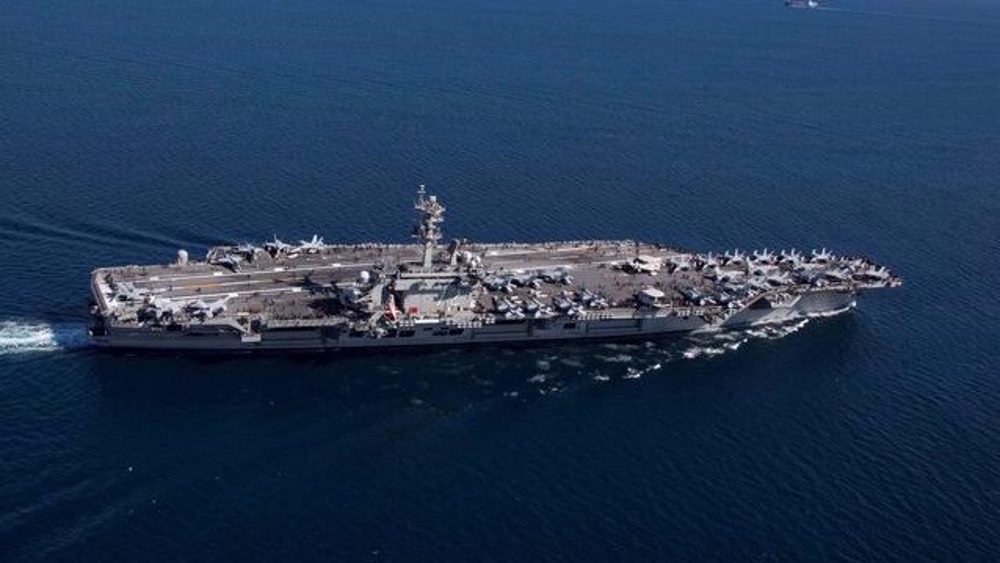
Families of sailors aboard the USS Abraham Lincoln say an eight-month deployment in the US war against Iran has taken a heavy toll, with concerns growing over exhaustion, mental health, living conditions and the safety of the carrier’s crew.
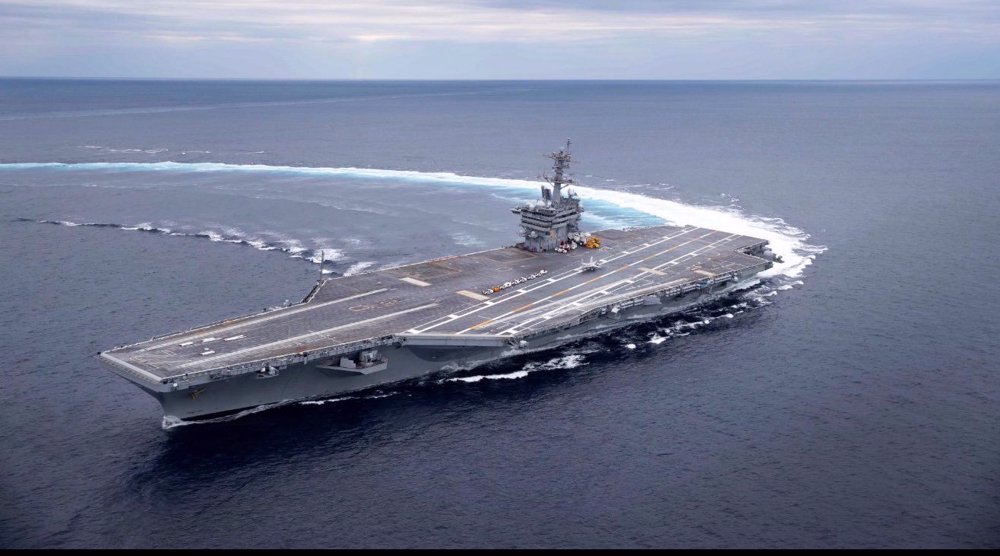
The aircraft carrier, which carries roughly 5,000 sailors and Marines, has been deployed since November 21 and has remained at sea for more than eight months as US military aggression against Iran continues.
Its deployment, originally expected to end in May, has been extended without a publicly announced return date.
The Abraham Lincoln has been deployed for 263 days and is currently languishing in the Indian Ocean, according to a separate report.
The carrier has spent 208 consecutive days at sea, apart from a brief stop in Oman in July, making the deployment one of the longest continuous periods at sea for a US aircraft carrier in the modern era.
According to Military Times, one sailor’s wife, Annabelle Loma, said her husband attempted to go overboard from the carrier during the current deployment and is now on medical hold.
She said she has spoken with him only a few times since the incident and that he had been severely overextended before it occurred.
Loma said her husband was concerned that the incident could end his 13-year Navy career, adding that his immediate focus should be on his recovery rather than disciplinary consequences.
The Navy did not provide a precise figure for the number of sailors who have attempted to go overboard or engaged in self-harm aboard the Lincoln during the current deployment.
In a separate incident, a sailor on watch intervened after seeing a shipmate preparing to go overboard, according to the sailor’s wife, Maria Rodriguez.
The sailor called out to the individual, reached them and pulled them back onto the deck. Three other sailors subsequently arrived to help.
The incident was also reported by Stars and Stripes, which said the crew was informed through a shipwide announcement.
The reports have intensified concerns among families about the psychological strain of the carrier’s extended deployment and sustained hostile operations.
More than 200 family members attended a meeting in San Diego last week with acting Secretary of the Navy Hung Cao. During a separate virtual meeting later that day, families raised concerns about sailors’ mental health, exhaustion and safety.
Vice Adm. Joseph Cahill, commander of Naval Surface Forces, acknowledged the impact of the deployment on service members and their families, saying the Navy was aware of concerns about the long-term effects of the deployment.
Officials cited deployment-resilience counselors and Human Factors Councils that examine conditions affecting sailors’ well-being and identify risks related to sailors’ health and readiness.
Families, however, say prolonged separation and uncertainty about when the carrier will return home are adding to the strain.
Shelby Sanders, whose mother is serving aboard the Lincoln, said communication had been difficult during the eight-month deployment. She said her mother appeared to be struggling when she was able to send messages home.
The prolonged deployment has also raised concerns about basic living conditions aboard the carrier, according to reports.
Personnel have reportedly protested inadequate food supplies, with meals at times reduced to as little as half a cup of rice and two pieces of meat.
The carrier’s laundry facilities have reportedly been out of service for two weeks, while mold in shower areas has allegedly caused fungal infections among crew members.
The reports come amid a separate account of a deadly confrontation aboard the Abraham Lincoln in which seven sailors were reportedly killed and several others wounded. The incident has added to concerns about the conditions facing the carrier’s crew during its extended deployment.
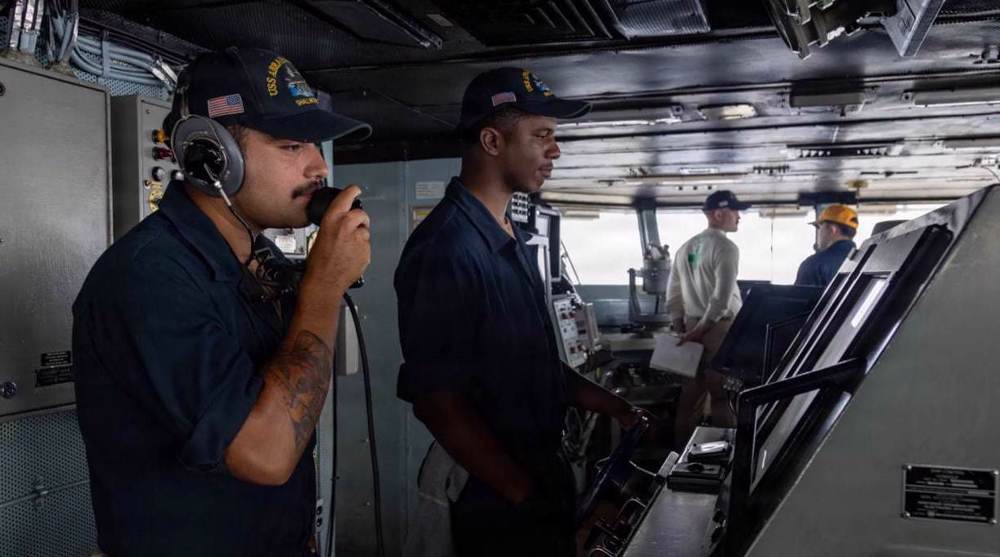
The Navy is preparing the USS Theodore Roosevelt carrier strike group to relieve the Lincoln, Cao told families at the San Diego meeting. Officials have not provided a timeline for the transition, citing operational security.
The extended deployment has left families facing continued uncertainty over when their relatives will return home, while sailors aboard the carrier remain engaged in operations far from the United States.
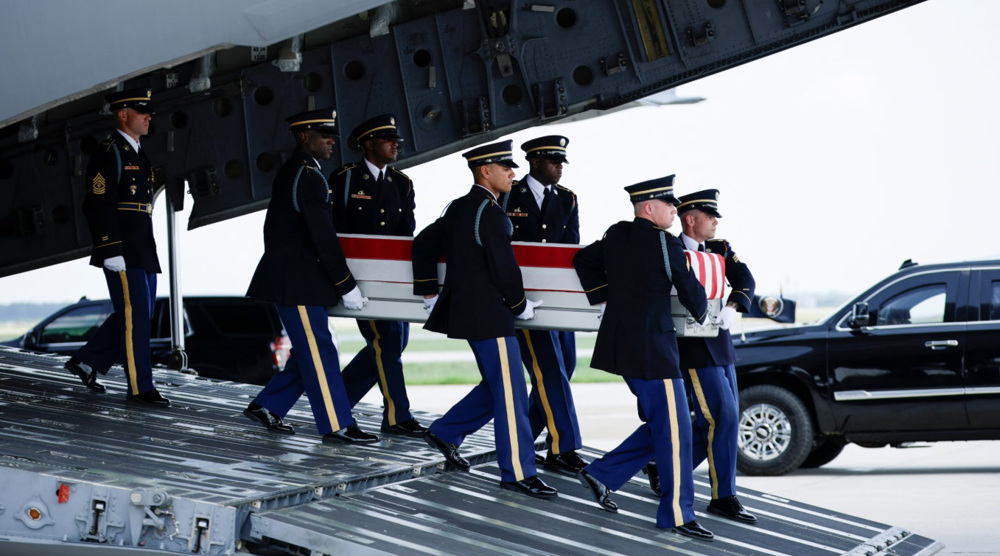
Pentagon quietly adds dozens to tally of troops wounded amid war on Iran
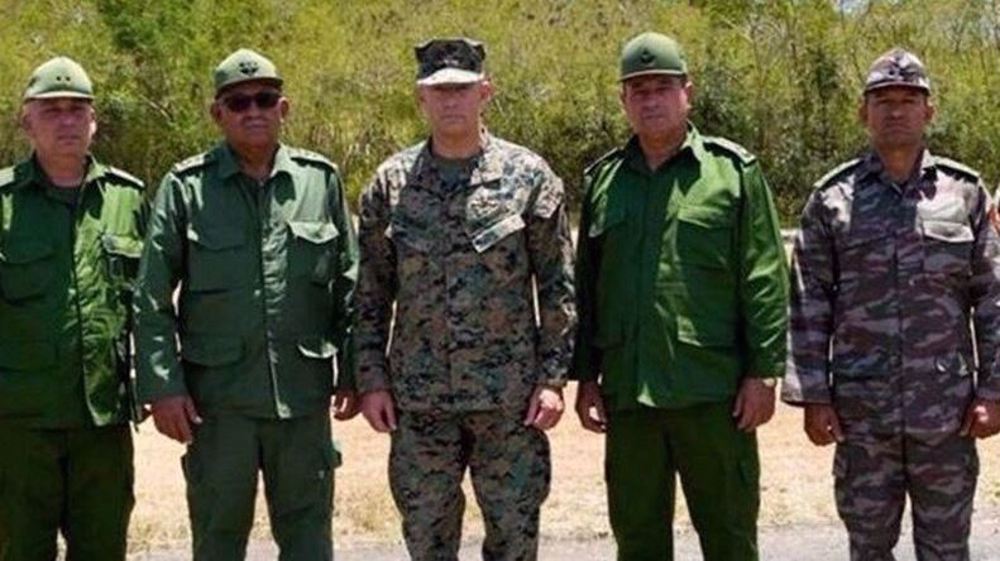
US military lays groundwork for possible aggression against Cuba: Report
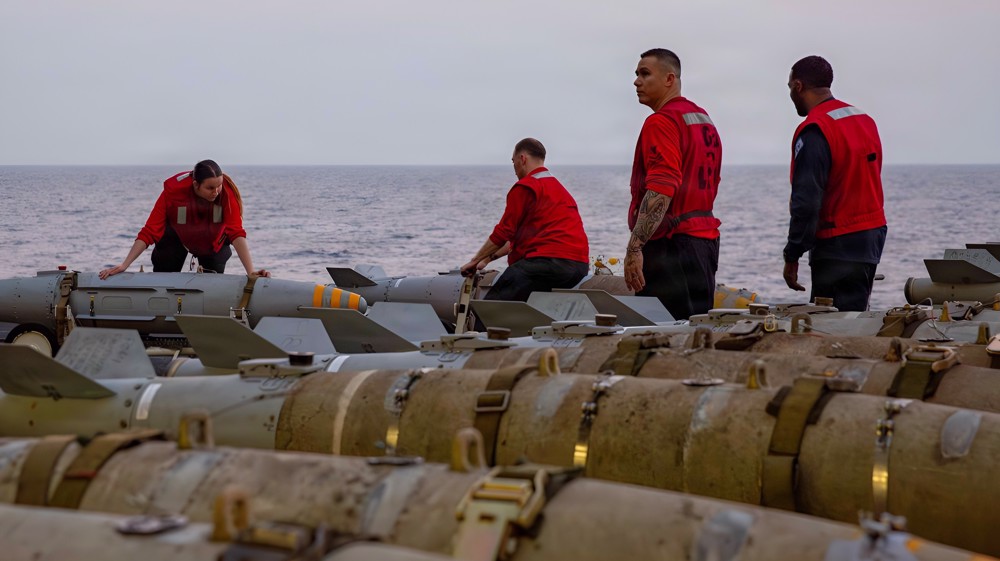
Eight US sailors of USS Abraham Lincoln attempted suicide during war on Iran: Navy



Saudi jets strike school, residential villages in Yemen
Hamas vows to remain committed to Palestine liberation cause
Nasrallah turned resistance into ‘deterrence doctrine’: Qalibaf
Iranian delegation will hold talks with mediators in New York: Report
VIDEO | Gaza’s hidden crisis: Thousands face hearing loss amid war and collapsing healthcare
Resistance group calls on Iraqi govt. to reconsider suspension of Iranian flights
US aviation sanctions endanger health of Iranians: Rights body
From ‘How Will This End For Iran’ to ‘When America Walks Away’: A tale of two Economist covers


 PressTV NEWSLETTER
now
PressTV NEWSLETTER
now
 This makes it easy to access the Press TV website
