AI failed in enemy’s war against Iran: IRGC spokesman
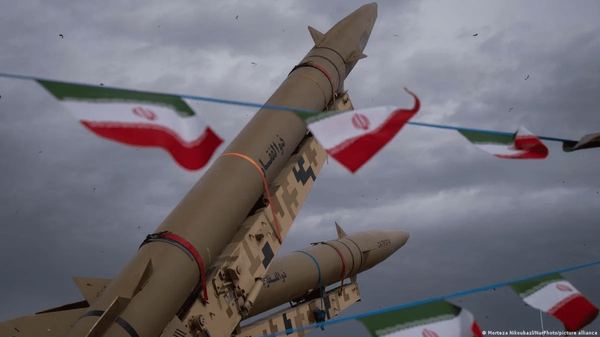
The spokesman for the Islamic Revolution Guards Corps (IRGC) says the United States deployed its most advanced military technologies, including artificial intelligence, during the recent war against Iran, but ultimately failed to overcome the country’s institutional resilience, ideological cohesion, unity and national resolve.
Speaking at a ceremony honoring journalists in Qazvin province on the occasion of Journalists’ Day on Monday, Brigadier General Hossein Mohebi discussed the systems used by the United States during the recent aggression.
Mohebi said the systems collected and processed data from satellites, drones, radars, sensors and field intelligence reports and used the information in the decision-making process.
“Alongside these systems, technologies were used to identify targets, assess damage and track human resources. In fact, artificial intelligence was the coordinating element of a major part of this technological network,” he said.
The IRGC spokesman described the aggression as an unprecedented experience in terms of the use of advanced technologies, saying the United States brought its latest military capabilities into the battlefield but “failed in these areas.”
“AI analyzed targets based on data received from various sources, but it could not monitor the institutional and ideological power of the Islamic Republic of Iran,” Mohebi said.
He also highlighted Iran’s technological capabilities, saying the country had used its missile and drone capabilities to disrupt parts of the enemy’s network of power.
“Iranian missiles are no longer simply launched from one point and land at another. They have guidance and maneuvering capabilities, and some can change their trajectory during flight to bypass enemy air-defense systems,” he said.
Mohebi added that Iran’s approach in the technological war was aimed at targeting the components that make up the enemy’s power network, rather than merely causing physical damage to buildings and equipment.
“When a data-processing system is targeted, it is not simply a building that is destroyed; part of the enemy’s decision-making capability is being targeted,” he explained.
“Likewise, when an air-defense system is destroyed, it is not merely a missile or piece of equipment that is lost; part of the enemy’s air-defense network is damaged,” he added.
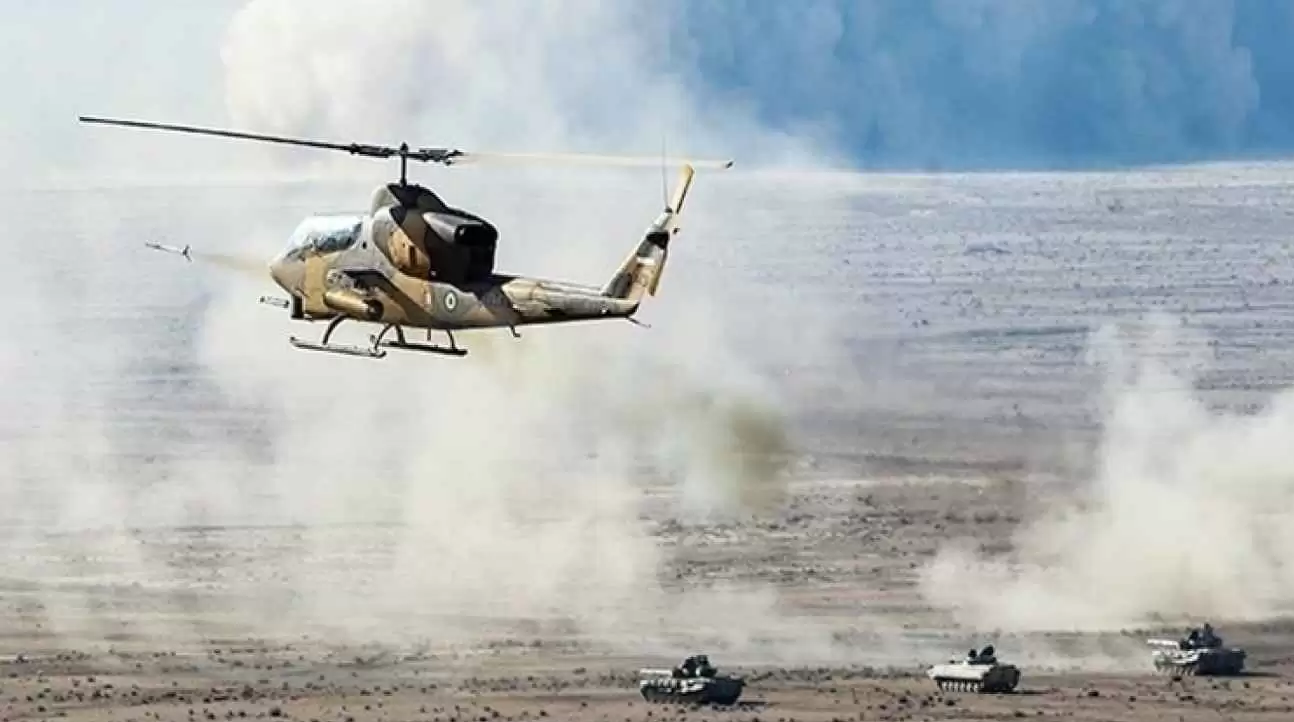
The IRGC spokesman also emphasized the role of the media in modern warfare, saying that today’s conflicts are no longer limited to military equipment and missiles.
“Today’s war is not only a war of equipment and missiles; it is also a war of narratives, perceptions and technologies, and media professionals are on the front line of this battlefield,” he said.
He described the recent US-Israeli aggression against Iran as a “hybrid war” spanning multiple domains, with the media constituting one of its most important arenas.
“Because of its extensive influence on public opinion, the media can preserve moments in history,” he said.
The IRGC spokesman said media organizations have a responsibility to document the different dimensions of the conflict for both the present and future generations.
“Today, the media is not merely a narrator; it is also a creator of narratives and realities,” Mohebi said. “The media produces perceptions, creates understanding and provides audiences with a new understanding of their surrounding environment.”
The US and the Israeli regime launched their illegal war of aggression against Iran on February 28 by assassinating the Leader of the Islamic Revolution Ayatollah Seyyed Ali Khamenei, along with senior military commanders.
However, forty days later on April 8, the enemies were forced to accept a ceasefire amid Iran’s resistance, successful retaliatory operations, and powerful grip on the Strait of Hormuz.
Tehran and Washington signed the Islamabad MoU on June 17, but the US effectively violated the agreement by striking Iran.
In response, the Iranian armed forces have conducted devastating attacks against strategic American targets across West Asia.
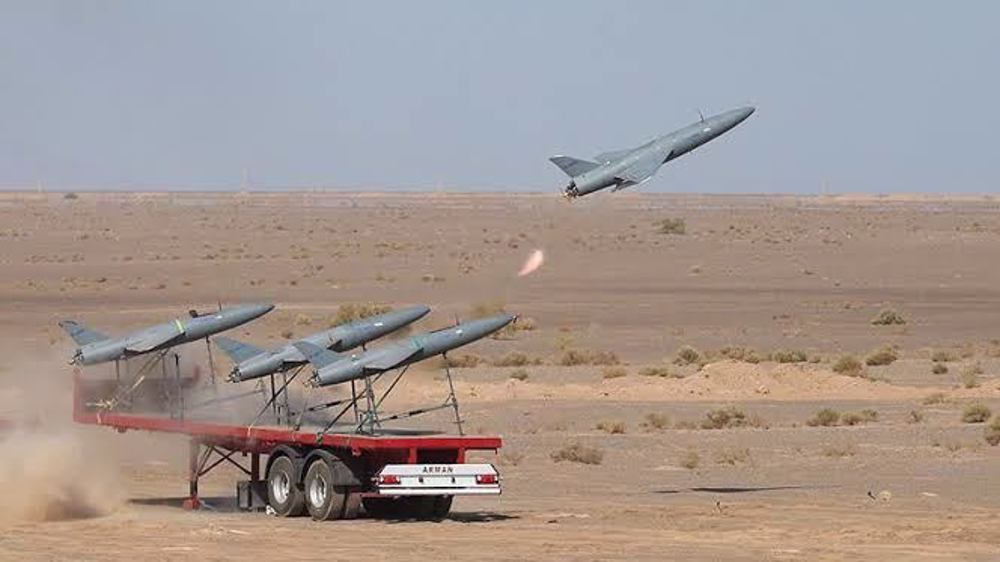
Iran reconfigures military capabilities, upgrades Arash drone for battlefield: Army
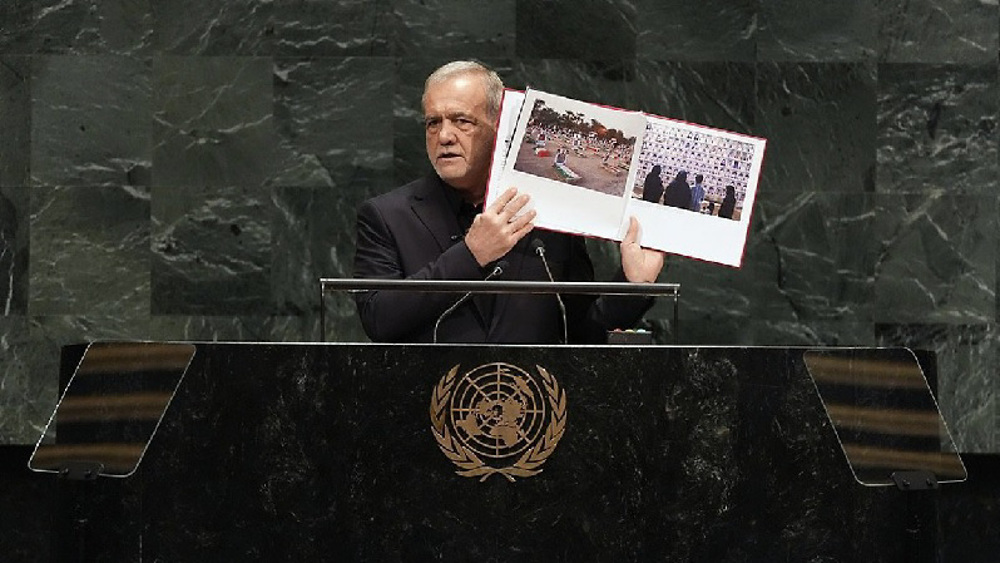
President Pezeshkian UN speech
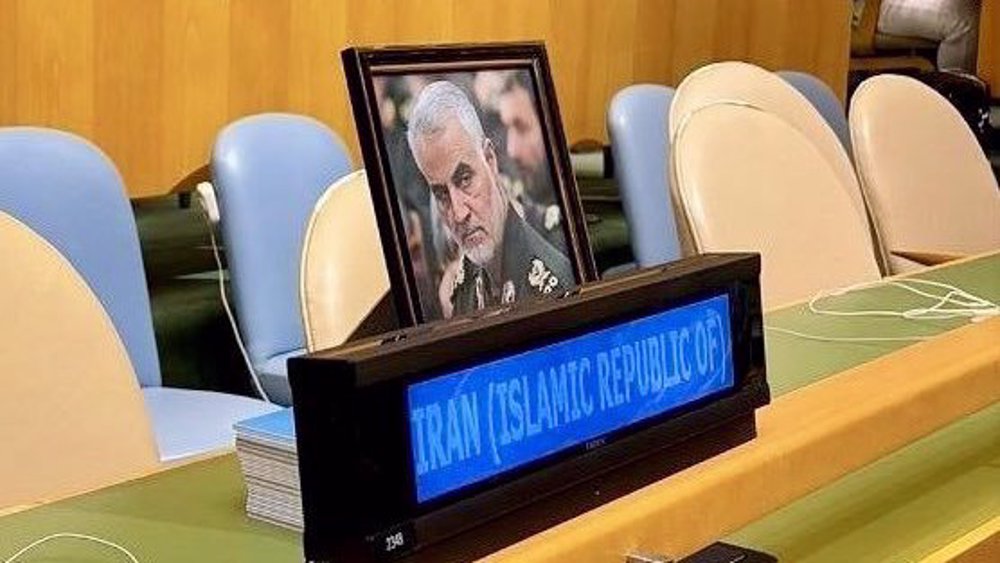
Martyr Soleimani’s portrait confronts Gaza butcher as world walks out on Netanyahu at UN



Emirati influencers celebrate UAE for staying during Netanyahu’s UNGA speech amid Gaza genocide
Netanyahu didn’t convey UAE’s warning of Operation Aqsa Flood to security chiefs: Report
Resistance group urges Iraqi government to reject ‘unjust siege’ on Iran
Hormuz blockade to create food insecurity for at least 45 million people: UN
Pezeshkian leaves New York for Tehran after UNGA speech, meetings
VIDEO | Ceuta: Migration crisis fuels political tension
Iraqi resistance group vows to stage airport sit-ins over Iran aerial blockade
Pezeshkian hails China’s ‘thoughtful and responsible support’ for Islamabad MoU



 PressTV NEWSLETTER
now
PressTV NEWSLETTER
now
 This makes it easy to access the Press TV website
