Leader’s adviser says US forces must leave West Asia, urges regional cooperation
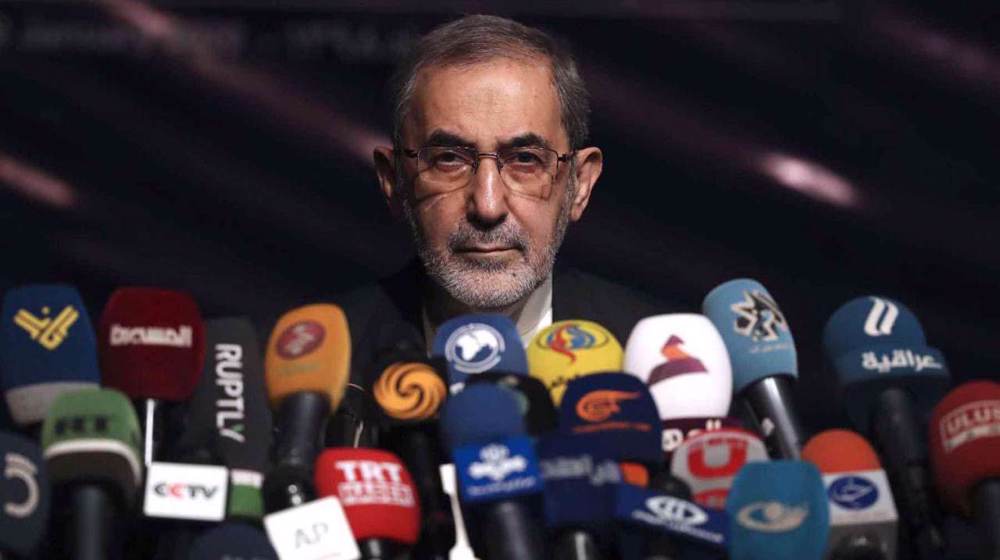
Senior adviser to the Leader of the Islamic Revolution Ali Akbar Velayati says foreign forces must leave West Asia, describing their military presence as the main source of insecurity and instability across the region.
In a post on X on Saturday, Velayati said the defeat of the US and Israeli regime “reinforced the belief that foreign forces — the main cause of insecurity — must leave the region.”
He said the latest developments “have been shaped by the armed forces' resistance, the resilience and steadfastness of the Iranian people, and the courage of the resistance axis. “
Velayati also noted that regional countries have the capacity to safeguard their own security without relying on foreign powers or their military presence, urging greater cooperation to ensure regional security through closer coordination.
Iran has consistently maintained that regional security should be ensured by the countries of the region and that the presence of foreign forces contributes to instability and insecurity.
Iranian retaliatory strikes on US military positions across the region have marked a significant shift in the strategic balance in West Asia, while also highlighting growing scrutiny of the US military presence in the region.
The Islamic Revolution Guards Corps (IRGC) and the Iranian Army carried out retaliatory strikes against US military positions and assets across the Persian Gulf region in response to continued US attacks on southern Iran last month.
Under Operation Nasr-2, the IRGC aerospace and naval forces launched coordinated retaliatory strikes against American military positions in the region in response to repeated US violations of an interim ceasefire deal mediated by Pakistan.

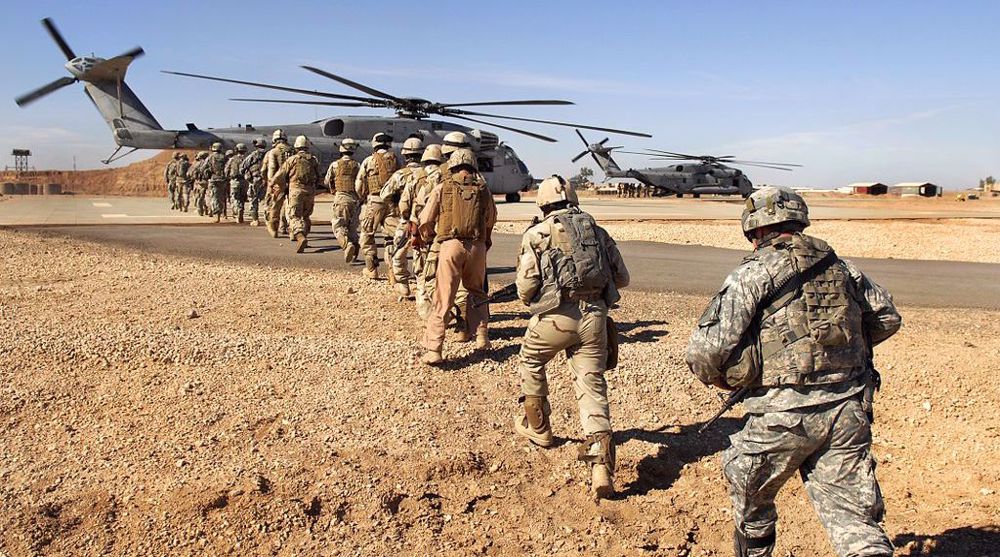
The retaliatory attacks killed multiple American occupation soldiers, destroyed advanced fighter aircraft, and signaled that the geographic scope of the war imposed on Iran had expanded beyond earlier expectations.
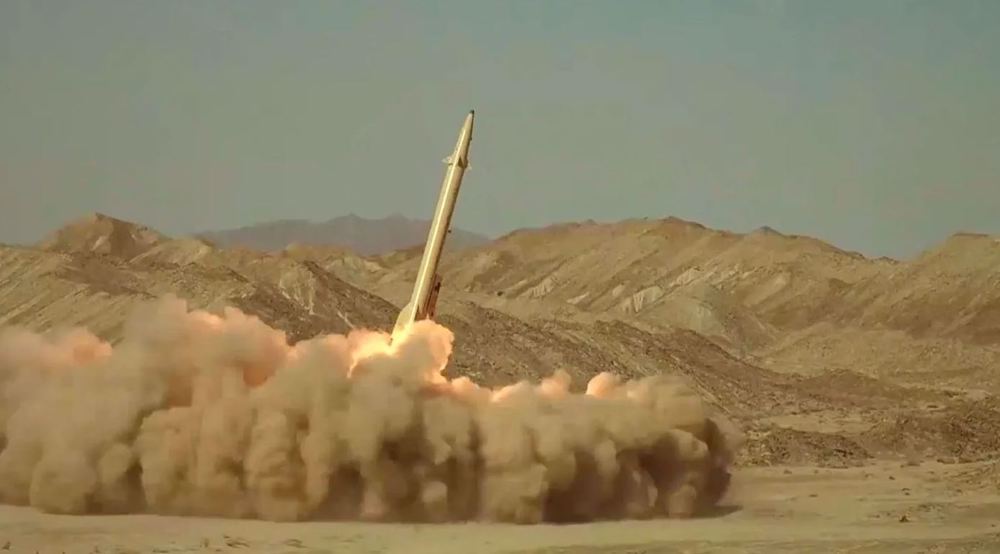
Military experts cited by Iranian sources have described the operations as evidence of the effectiveness of the country's hypersonic ballistic missile capabilities, asserting that the weapons penetrated American air-defense systems with a level of precision that raised concerns among US military planners.
Beyond their immediate military impact, the strikes have also renewed debate over the presence of US military installations in countries across the region, including Jordan, and Tehran's longstanding position that regional security should be managed by the countries of West Asia rather than foreign powers.
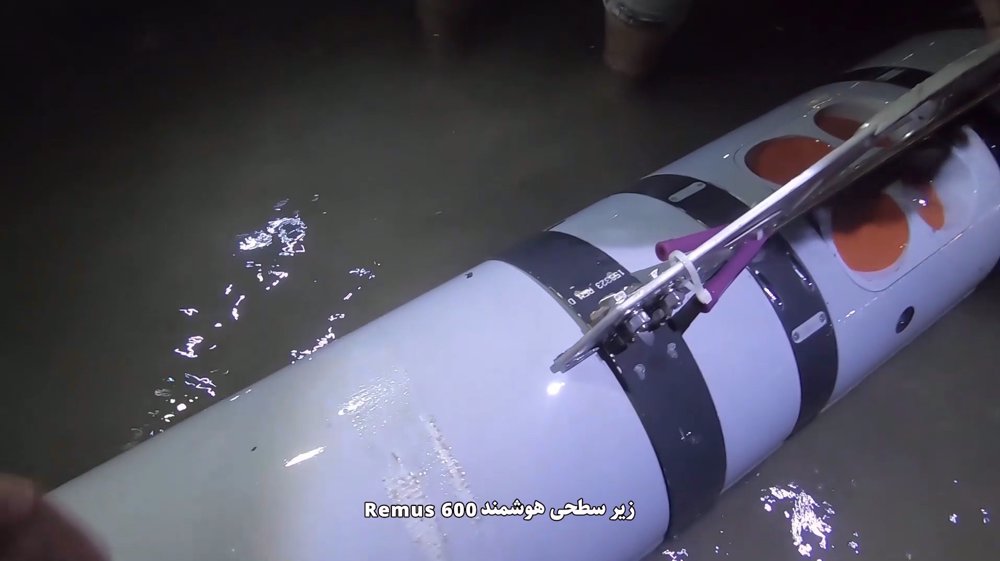
‘Not just a catch, an intelligence prize’: IRGC spokesman hails seizure of second US underwater dron

US just 'gaslighting' over Hormuz: Iran's Parliament speaker
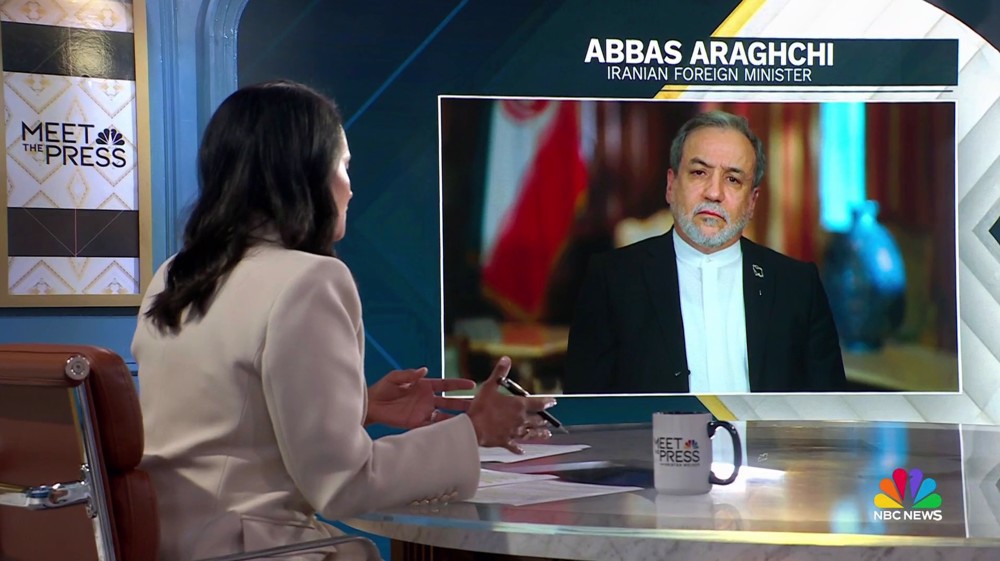
Iran ‘fully prepared’ for war to resume with US but still trying diplomacy: Araghchi



‘Not just a catch, an intelligence prize’: IRGC spokesman hails seizure of second US underwater dron
Arab League slams dangerous Israeli escalation at al-Aqsa Mosque and across West Bank
VIDEO | Martyr Nasrallah made people believe in possibility of victory, liberation: Political activist
VIDEO | Nasrallah's leadership was based on resistance, liberation, national unity: Analyst
UK police evacuate homes near airbase used by US over bomb threat
US just 'gaslighting' over Hormuz: Iran's Parliament speaker
VIDEO | Press TV's news headlines
Reyhaneh Karimi makes history with Iran’s first women’s weightlifting medal at Asian Games


 PressTV NEWSLETTER
now
PressTV NEWSLETTER
now
 This makes it easy to access the Press TV website
