US relocating refueling aircraft from Israel as war on Iran continues to strain Washington, Tel Aviv
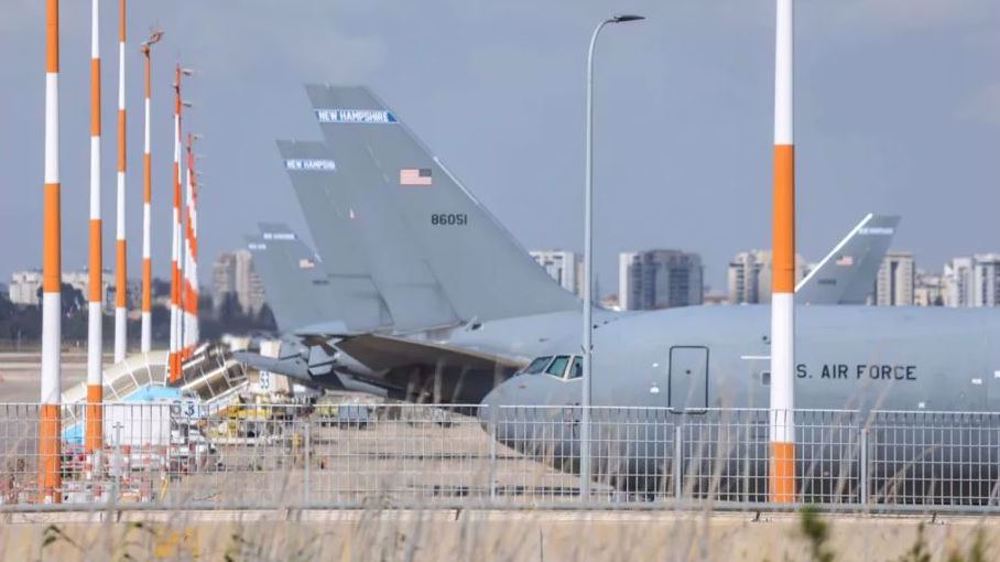
The United States has begun relocating aerial refueling aircraft from Israeli-occupied territories after they were deployed to support the war on Iran, as mounting military, logistical and domestic pressures continue to weigh on both Washington and the Israeli regime.
Israel's N12 news website reported on Thursday that the US Air Force has started moving some of its refueling aircraft that had been stationed at Ben Gurion Airport in recent weeks.
The report said the move followed pressure from Israeli transportation minister Miri Regev, who urged military officials to free up space at the airport during one of the busiest travel periods of the year.
According to the report, the American tanker aircraft had occupied valuable parking positions at Ben Gurion Airport, raising concerns over the airport's ability to handle the expected surge in summer passenger traffic.
The move comes as signs continue to emerge of the costs imposed on the United States by the aggression it unleashed against Iran.
Earlier reports indicated that Washington had withdrawn warplanes and other military equipment from Al Udeid Air Base in Qatar and Al Dhafra Air Base in the United Arab Emirates after Iranian retaliatory strikes targeted American military positions across the region.
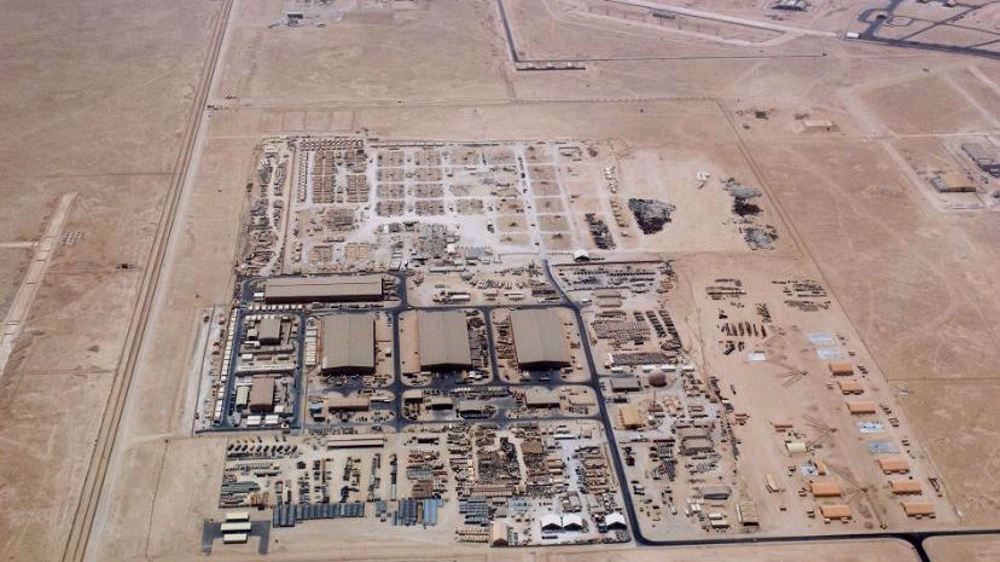
Satellite imagery showed that both installations were largely emptied of US aircraft and other military assets following the attacks.
Al Udeid, the forward headquarters of terrorist US Central Command, and Al Dhafra, a key hub for reconnaissance, aerial refueling and regional air operations, played central roles in supporting the US-Israeli aggression against Iran.
The aggression began on February 28, when the United States and Israel launched large-scale strikes on Iranian territory.
Iran responded with daily waves of missiles and drones targeting US and Israeli military assets across West Asia while imposing restrictions on the Strait of Hormuz. Although Iran and the United States later signed the Islamabad Memorandum of Understanding on June 17 to end the war across all fronts, renewed US military aggression prompted Tehran to resume missile and drone strikes and re-impose restrictions on the strategic waterway once again.
The reported relocation of aircraft from Israel also follows reports that the Pentagon is considering reducing the US military presence in Kuwait after repeated Iranian missile and drone attacks inflicted significant losses on American forces.
According to The Wall Street Journal, the attacks have fueled debate over the future of the US military presence in the Persian Gulf.
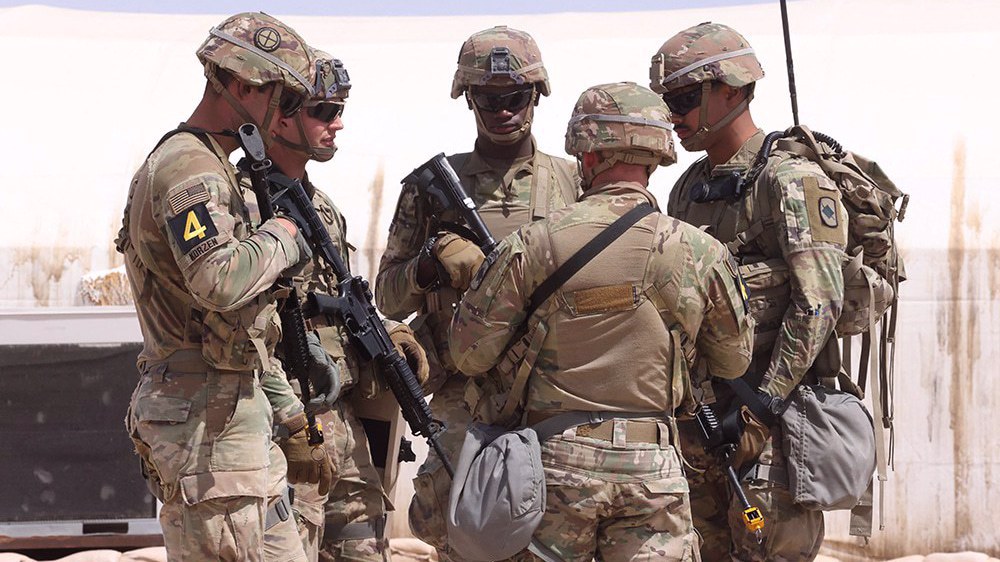
Former US ambassador to Kuwait Douglas Silliman said, “The attacks have made people in Kuwait think of the US presence as a liability.” He added, “I think they are trying to figure out what the best way forward on defense is.”
At the same time, the tensions arising from US-Israeli wars in the region has added to mounting pressures inside the occupied territories.
A recent study by researchers at Tel Aviv University found that more than 90,000 people left the occupied lands for three consecutive months or more in 2025, marking the third straight year of exceptionally high emigration.
“The figures tell a gloomy story,” said Prof. Itai Ater. “I fear that more and more people, among them doctors, tech workers, and academics, no longer see Israel as their home or are in serious doubt about the matter. Many are waiting to see what happens in the election. My children serve in the army, I’m worried. So we’re ringing all the bells.”

Israel’s election body bars both main Arab parties from Knesset race
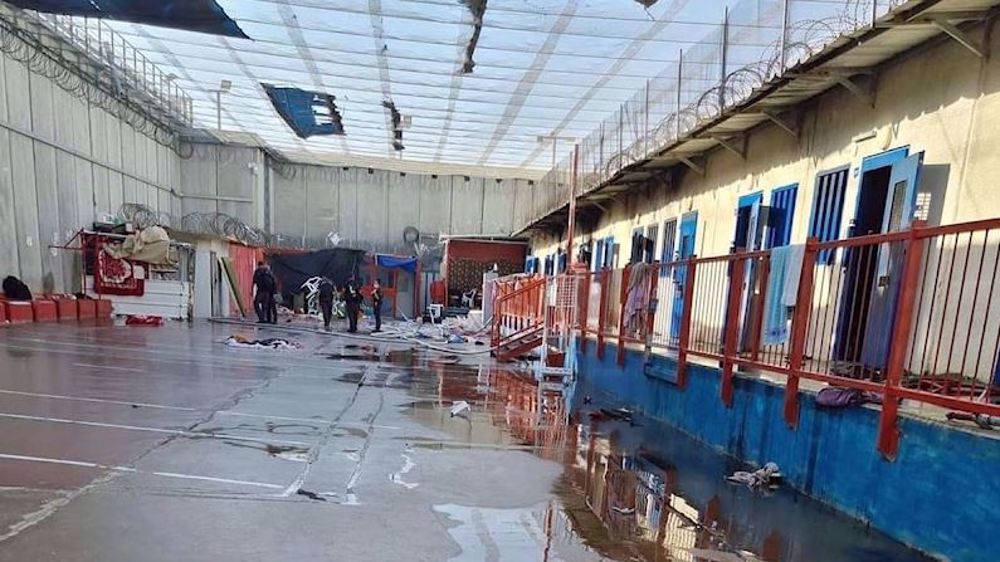
Gazans shot at, beaten, attacked by dogs in Israeli Al-Naqab prison: Prisoners' Media Office
Switzerland urges Israel to end 'unlawful occupation' of Palestinian territories



Debunked: Trump’s egregious UNGA claims on war against Iran crumble under scrutiny
VIDEO | News Review: Netanyahu faces UNGA walkout, protests in New York over Gaza
President Pezeshkian UN speech
Saudi Mufti urges troops to attack Yemen as Macron announces deployment in Yanbu
Turkey agrees to pull out of key base in north Iraq, occupy others
Two Israeli soldiers killed after drone explodes in northern Gaza
Over 100 arrested in protests against Netanyahu’s UN speech
VIDEO | Probe shows Bucha was false flag event to demonize Russia: Russian envoy






 PressTV NEWSLETTER
now
PressTV NEWSLETTER
now
 This makes it easy to access the Press TV website
