Iran says US must resolve promise breaches for Strait of Hormuz reopening
Iranian Deputy Foreign Minister Kazem Gharibabadi says reopening of the Strait of Hormuz requires the United States to meet certain conditions, saying Washington’s illegal actions remain the main source of security concerns surrounding the strategic waterway.
Gharibabadi said in an interview on Wednesday that Washington had violated its commitments under the Islamabad Memorandum of Understanding (MoU), restored an illegal naval blockade on Iranian ports, resumed hostilities, and failed to help establish stability in Lebanon.
“These are among the requirements, and we have to see what developments will take place in these areas,” he said.
Gharibabadi also said the United States had recently imposed new sanctions on Iran and reinstated restrictions that had been temporarily lifted, particularly in the oil sector, while negotiations over the release of Iran's frozen assets had been halted.
He also reiterated that Iran would not tolerate any foreign interference in the Strait of Hormuz, saying any understanding on the strategic waterway should be reached exclusively between Iran and Oman.
The remarks came after Tehran and Muscat announced progress in talks on establishing a commercial shipping corridor through the Strait of Hormuz.
Foreign Ministry spokesman Esmaeil Baghaei said earlier that the two sides had reached an understanding on the geographical coordinates of the proposed route and were in the final stage of reviewing and drafting a joint statement covering the main points of agreement.
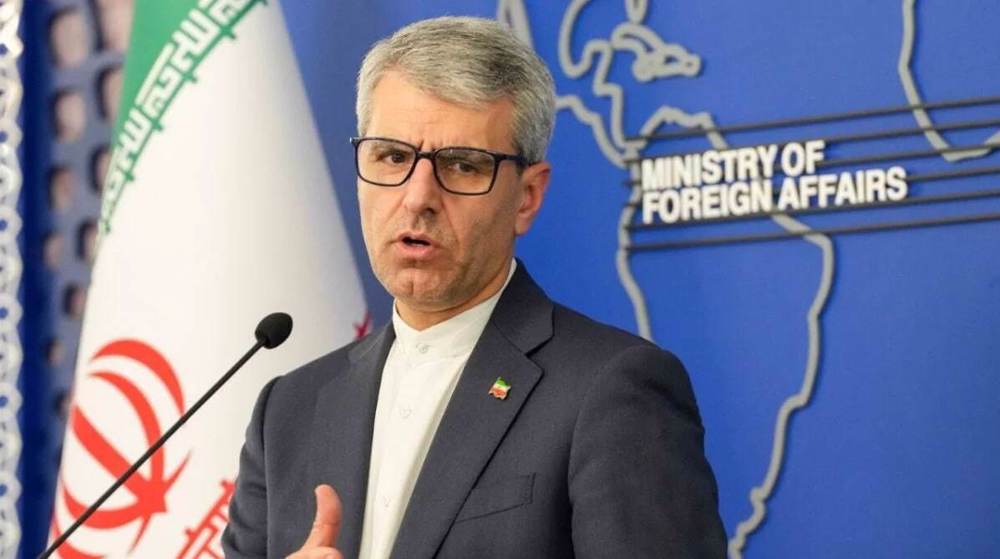
Baghaei also rejected claims that a bilateral agreement with Oman would automatically lead to the reopening of the Strait, saying restrictions on the waterway were linked to security concerns arising from the US and Israeli military aggression against Iran.
He said a potential agreement with Oman “cannot in itself be interpreted as meaning the Strait has become safe for passing vessels,” arguing that the main sources of insecurity remain US naval deployments, the maritime blockade of Iranian ports, and other hostile measures against Iran and its interests.
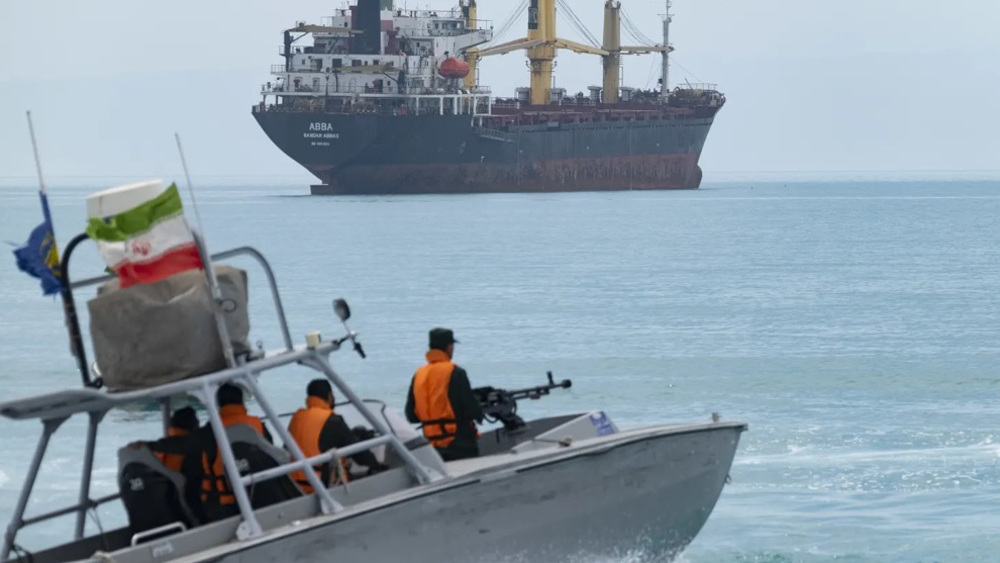
The Strait of Hormuz, one of the world's most important energy transit routes, has remained at the center of regional tensions. Tehran has maintained that any arrangements concerning the waterway must respect Iran's sovereignty and security concerns as a coastal state.
Grand Ayatollah Shobeiri Zanjani passes away at age of 98
Iran must fight US blockade with energy blockade: Deputy speaker
Iran’s president to attend UN General Assembly in New York



US visa ban on Iranian president’s media team is bid to hide the truth: FM spokesman
US aggression, economic warfare amount to crimes against humanity: Iran's UN envoy
Protests erupt in US as ICE agent shoots Venezuelan driver
US pressure fuels cooperation among Muslim states: Pezeshkian
Major TV networks suspend White House pool coverage after Trump ban
US visa ban on Palestinian UN delegation violates international agreements: Hamas
VIDEO | Press TV's news headlines
Iran calls on France to respect law after suspending French cultural institute in Tehran


 PressTV NEWSLETTER
now
PressTV NEWSLETTER
now
 This makes it easy to access the Press TV website
