Hormuz talks limited to Oman, no negotiations underway with US: Tehran
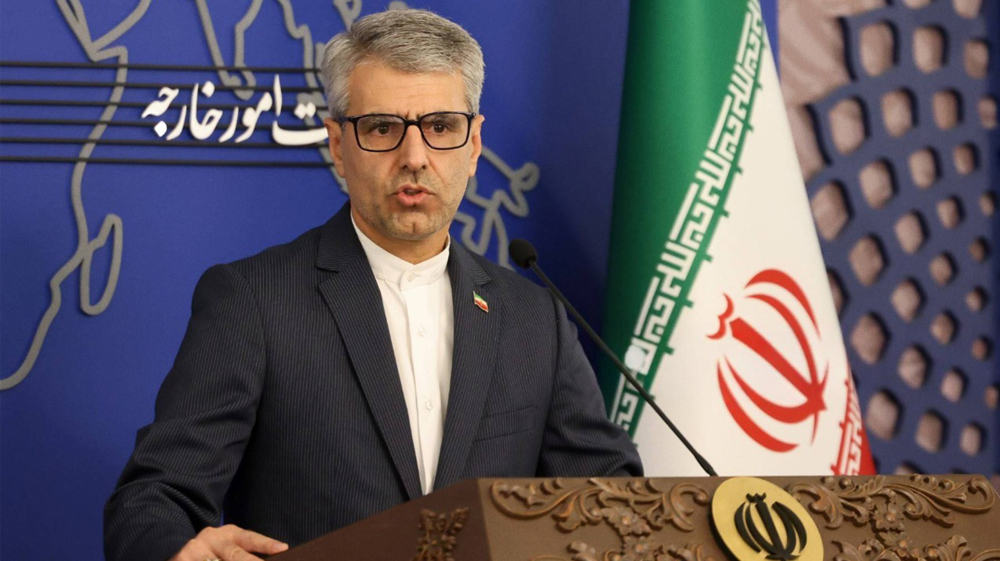
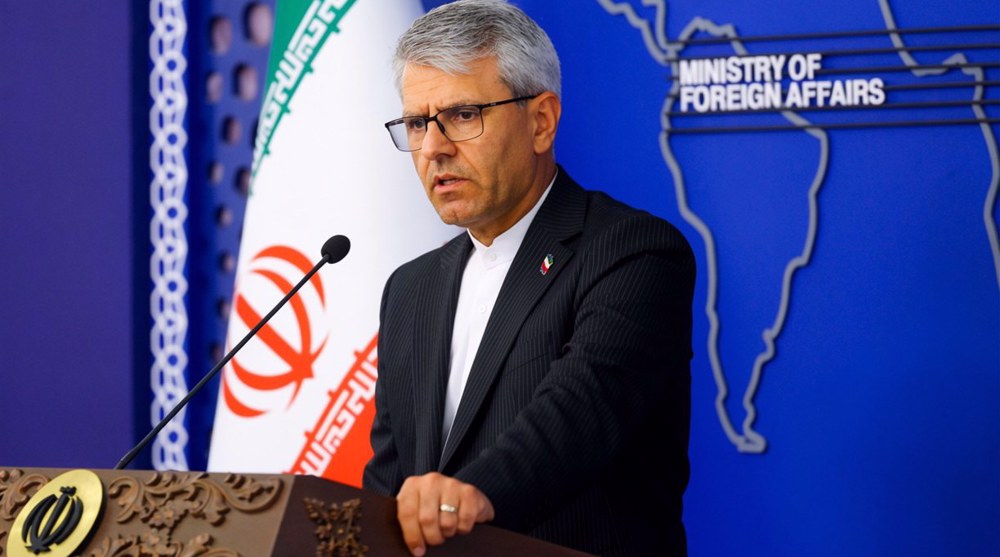
Iranian Foreign Ministry spokesman says talks with Oman on ensuring safe shipping through the Strait of Hormuz are bilateral between the two littoral states, adding that Tehran is not currently engaged in negotiations with the United States.
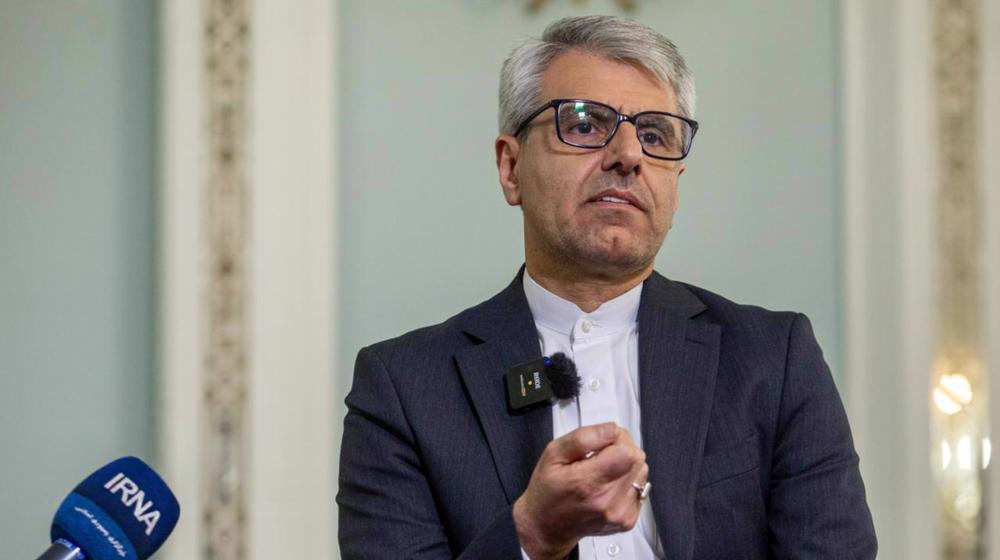
Speaking at his weekly press conference on Monday, Esmaeil Baghaei responded to a question about remarks by Foreign Minister Abbas Araghchi regarding the finalization of an understanding and whether indirect consultations through mediators are aimed at restoring all provisions of the Islamabad Memorandum of Understanding (MoU) that Washington has violated.
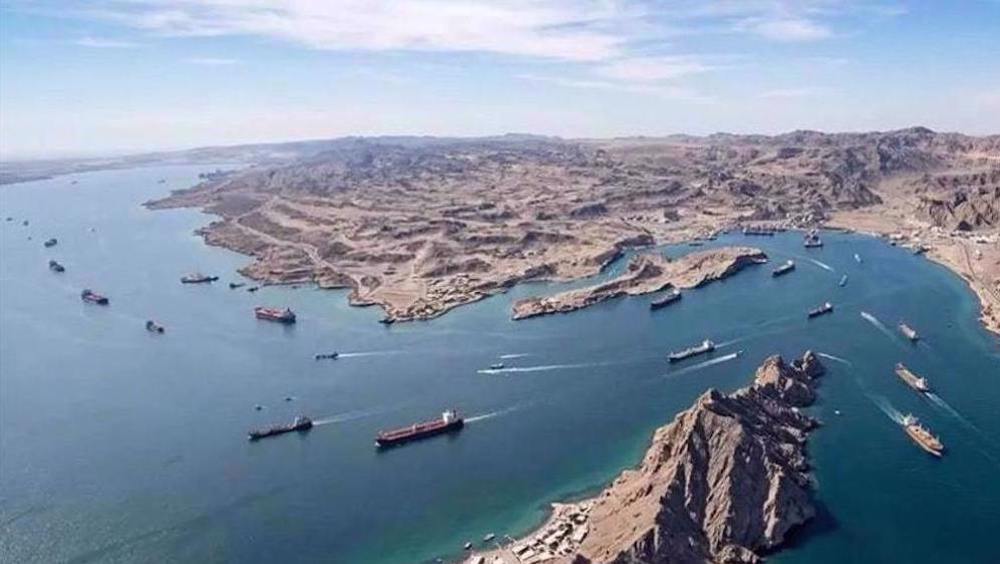
Baghaei said Iran’s ongoing talks are exclusively with Oman and are focused on agreeing on a temporary route to ensure the safe passage of commercial shipping through the Strait of Hormuz.
“Our negotiations are with Oman. We are focused on reaching an understanding on a framework that would ensure the safe transit of shipping through the Strait of Hormuz. Our goal is to determine, as soon as possible and in consultation and cooperation with Oman, a route that will temporarily facilitate maritime navigation,” he said.
The spokesman stressed that the discussions are bilateral between the two littoral states, although other actors could play either a constructive or disruptive role.
“The understanding with Oman on a safe shipping route is a necessary condition for reopening the Strait of Hormuz, but it is not a sufficient one,” Baghaei said.
“The Strait was not closed because of disagreements between Iran and Oman. It has faced disruption since last March due to the military aggression of the United States and the Zionist regime,” he added.
Baghaei said no significant change in the status of the strategic waterway should be expected as long as, US military actions and a naval blockade continue.
“As long as US hostile actions continue, a naval blockade against Iran remains in place, US military aggression against Iran and its interests persists, and the United States continues to violate its commitments, there will naturally be no significant change in the situation in the Strait of Hormuz,” he said.
He added that the current negotiations with Oman are limited to maritime transit issues, while matters concerning Iran and the United States would be addressed at a later stage depending on future developments.
“We are not currently holding negotiations with the United States,” Baghaei said.
On Saturday, Trump announced that he had agreed to cancel a planned attack on Iran, claiming that Tehran and other regional countries had requested a pause after “the perimeters of a deal” had been reached.
The reported plans emerged amid continued tensions following Iran’s resistance to US pressure tactics and military aggression, with Iranian officials repeatedly warning that any new attack by Washington or Tel Aviv would trigger a strong response.
During a phone conversation on Saturday, Araghchi told his Saudi counterpart Faisal bin Farhan that Tehran remained prepared to defend its sovereignty, territorial integrity and national security.
“Any hostile action by the US or Israel, or participation or cooperation by regional countries in such actions, would be met with a decisive and proportionate response from Iran’s powerful armed forces,” Araghchi said.
Ball in US court
Responding to a question about efforts to bring the US back into compliance with the agreement and the status of indirect message exchanges, Baghaei said Iran had never been the first party to violate any understanding.
“The ball has been in the US court for quite some time,” he said, adding that Washington announced on July 7 that it would no longer honor all of its commitments under the June 17 MoU.
Pakistan mediating Iran-US contacts
Baghaei said Pakistan is serving as the mediator on issues between Iran and the United States, while Qatar assists when necessary.
He dismissed reports that China had become a new mediator between Tehran and Washington over the Strait of Hormuz, saying Beijing remains a close partner of Iran and is making diplomatic efforts to prevent further regional escalation because it is concerned over US unilateralism and growing insecurity in the region.
“China, like several other countries, is helping to prevent escalation, but it would not be accurate to describe it as a new mediator,” he said.
US military presence brings insecurity to region
Commenting on regional countries’ positions regarding the recent military aggression, Baghaei reiterated that Iran does not seek to attack its neighbors and that its military operations are purely defensive, targeting the bases and points from which attacks against Iran are launched.
Baghaei said Tehran hopes the experience of the past five months has demonstrated that “the continued US military presence in these countries brings nothing but insecurity, division and discord among the countries of the region.”
He added that regional states, as permanent neighbors, should work together to establish a security framework based on mutual trust and constructive cooperation that would ensure the security of all countries in the region.
Iran Intelligence Ministry says assassination of Sunni cleric will not break unity

Israeli court sentences man to over 13 years in prison for allegedly spying for Iran: Report
US trapped in Strait of Hormuz 'quagmire' after war on Iran: Libya’s Grand Mufti



Iran finds new platform in SCO to develop its rare-earth potential
US senator slams ‘bogus’ spy claims, demands immediate release of Press TV journalist
IRGC Navy strikes Togo-flagged tanker after illegal attempt to transit Strait of Hormuz
VIDEO | We salute the Palestinian woman
US lawmaker slams Trump’s $5 billion weapons sale to Saudi Arabia
VIDEO | Iran changing US war equations
Russia, China veto US backed anti-Iran resolution at UN Security Council
Araghchi welcomes Xi’s initiatives, hails China-Iran strategic partnership


 PressTV NEWSLETTER
now
PressTV NEWSLETTER
now
 This makes it easy to access the Press TV website
