Old tactics, new war: The recycled psychological ops by US, Israeli spy agencies and hostile media against Iran
By Alireza Ahmedzadeh
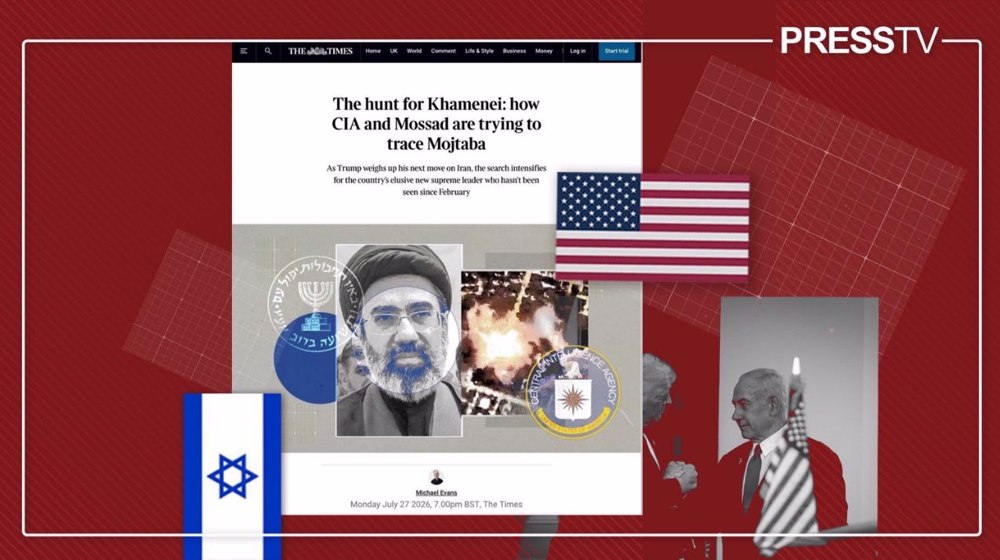
A recent report by The Times of London has once again laid bare the desperate and increasingly fictitious psychological warfare campaign being waged by the American CIA and Israeli Mossad spy agencies against the Islamic Republic of Iran.
The article claims that Western intelligence agencies are engaged in a frantic "hunt" for the Leader of the Islamic Revolution, Ayatollah Seyyed Mojtaba Khamenei, peddling a narrative filled with baseless conjecture, conspiracy theories, and classic propaganda tropes.
According to the report, intelligence agencies are struggling to locate the Iranian leader, claiming he has "gone silent" for 150 days, is hiding in deep underground shelters, and has sustained "disfiguring" injuries from a previous airstrike.
The article further speculates that the Islamic Revolution Guards Corps (IRGC) might be "faking his survival" or that the Leader of the Islamic Revolution is employing "doubles," drawing a tired comparison to the late Iraqi dictator Saddam Hussein.
The Times article is riddled with logical contradictions that undermine its own credibility. It simultaneously claims that the Iranian military is "really in charge" of the country, while also asserting that the Leader holds a "key role" in military decisions and must be located.
Furthermore, the suggestion that the IRGC would need to "fake" the Leader's survival to legitimize its retaliatory operations against the aggressors ignores the strong and visible unity between Iran’s political and military institutions, which has been on full display during recent national mobilizations.
The reliance on "human intelligence" (HUMINT) highlighted in the report also betrays the limitations of Western technological surveillance.
Despite boasting of the world’s most sophisticated spy satellites and cyber-eavesdropping capabilities, US and Israeli agencies have been unable to penetrate the secure, disciplined, and deeply vetted circles of Iran’s political and military leadership.
The report’s underlying premise, that eliminating or isolating a single figure would cripple the Islamic Republic, fundamentally misunderstands the nature of Iran’s governance.
The Islamic Republic is built on robust, decentralized institutional frameworks, with the IRGC, the Army, and the broader political system fully capable of ensuring continuity and stability regardless of external pressures.
Security analysts in Tehran have dismissed such reports as a transparent attempt at psychological operations (PSYOPS) designed to project an image of Western intelligence dominance while masking its profound failures on the ground.
However, understanding the source of this narrative is also crucial: The Times of London, historically known as "The Thunderer," has a long and well-documented history of serving as a mouthpiece for the British establishment and its intelligence services.
Since its founding, The Times has maintained close, symbiotic relationships with British political and intelligence agencies, particularly MI6 and GCHQ.
Declassified documents and historical analyses have repeatedly revealed that British intelligence routinely cultivates relationships with senior journalists, providing them with selective information in exchange for favorable coverage or the promotion of specific geopolitical narratives.
This institutional connection is further formalized through the DA-Notice (formerly D-Notice) system, a mechanism that encourages self-censorship and close cooperation between editors and intelligence officials on matters of "national security."
Perhaps the most infamous modern example of The Times acting as a conduit for intelligence propaganda occurred in the lead-up to the 2003 invasion of Iraq.
The newspaper played a pivotal role in amplifying the British government's "dodgy dossier," uncritically publishing fabricated claims about Iraq's alleged weapons of mass destruction (WMD).
Even after the Chilcot Report conclusively demonstrated that the intelligence had been exaggerated and manipulated to pave the way for a devastating war of aggression, the newspaper's role in facilitating this propaganda campaign remained a stark reminder of its willingness to serve state interests over journalistic integrity.
This historical pattern is particularly relevant when examining The Times’ coverage of Iran.
Over the past two decades, the newspaper has repeatedly published unverified claims about the Islamic Republic and its leadership, many of which were later debunked.
From exaggerated reports about Iran's nuclear program to fabricated stories about internal “dissent,” The Times has consistently served as a platform for intelligence-led psychological operations aimed at demonizing and destabilising the Islamic Republic of Iran.
Given this well-documented history, the latest Times report should be viewed as the latest iteration of a long-standing tradition of intelligence-media collusion.
The newspaper's reliance on anonymous "intelligence sources," its use of speculative language, and its promotion of narratives that align perfectly with the strategic objectives of Western governments all point to a familiar pattern, which is the weaponization of media to wage psychological warfare against nations that refuse to submit to Western hegemony.
For the Iranian people, these narratives are not only unconvincing but serve as a reminder of the lengths to which hostile intelligence agencies will go when confronted with a nation that refuses to bow to coercion.
Alireza Ahmedzadeh is a Tehran-based writer and strategic affairs analyst.
(The views expressed in this article are the author’s own and do not necessarily reflect those of Press TV)
Iran Army: US vessels ‘do not dare’ approach Iranian shores
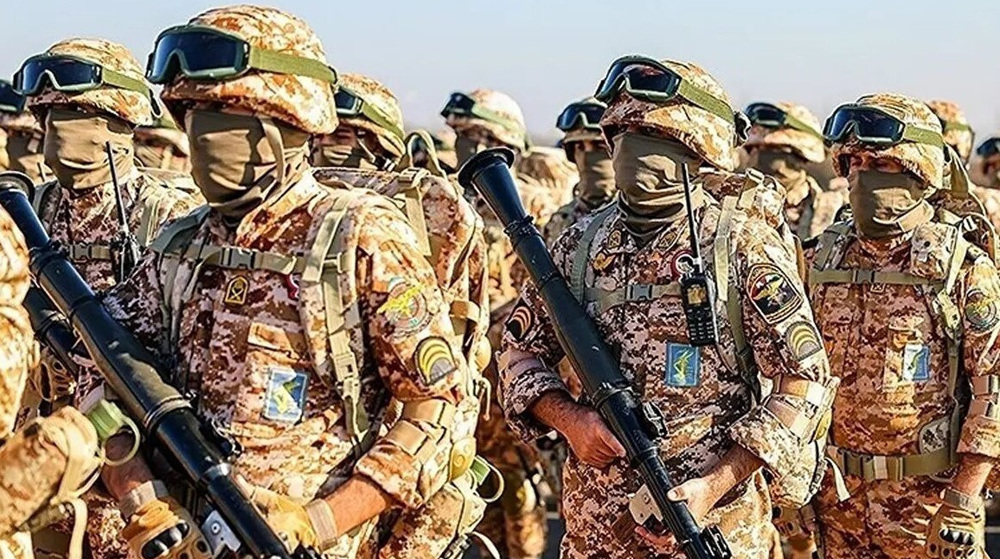
Iran will respond ‘decisively’ to any enemy miscalculation: IRGC
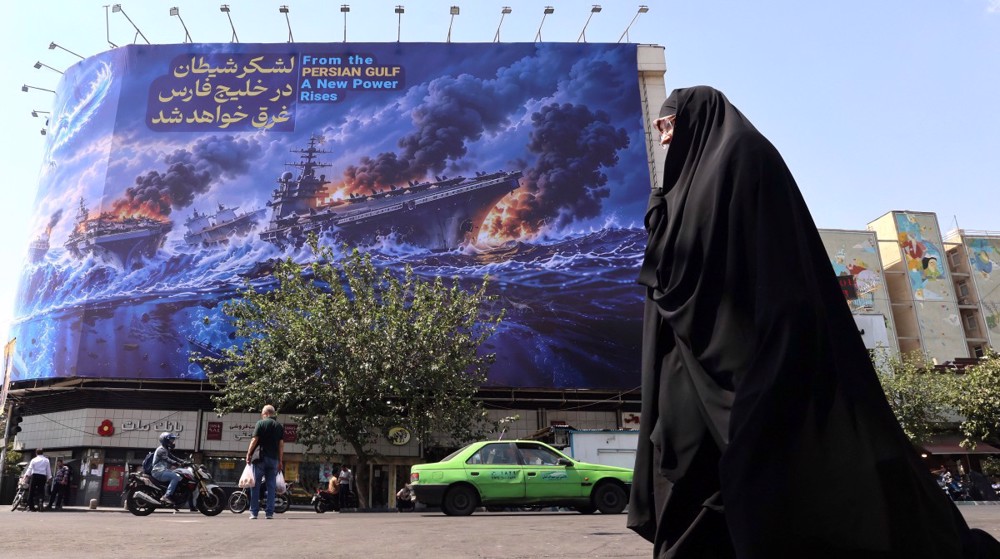
Top security, military brass hail 200 nights of rallies as proof of Iran’s strength



IRGC Navy strikes Togo-flagged tanker after illegal attempt to transit Strait of Hormuz
US lawmaker slams Trump’s $5 billion weapons sale to Saudi Arabia
Russia, China veto US backed anti-Iran resolution at UN Security Council
Araghchi welcomes Xi’s initiatives, hails China-Iran strategic partnership
VIDEO | Gaza transport crisis deepens as 70% of vehicles remain out of service
VIDEO | Press TV's news headlines
Iran summons German ambassador over Berlin’s hostile positions, interventionist activities
Israeli occupation court extends detention of Press TV journalist Naqaa Hamed



 PressTV NEWSLETTER
now
PressTV NEWSLETTER
now
 This makes it easy to access the Press TV website
