MI5 chiefs secretly lobbied UK government to designate IRGC as ‘terrorist’ organization: Report
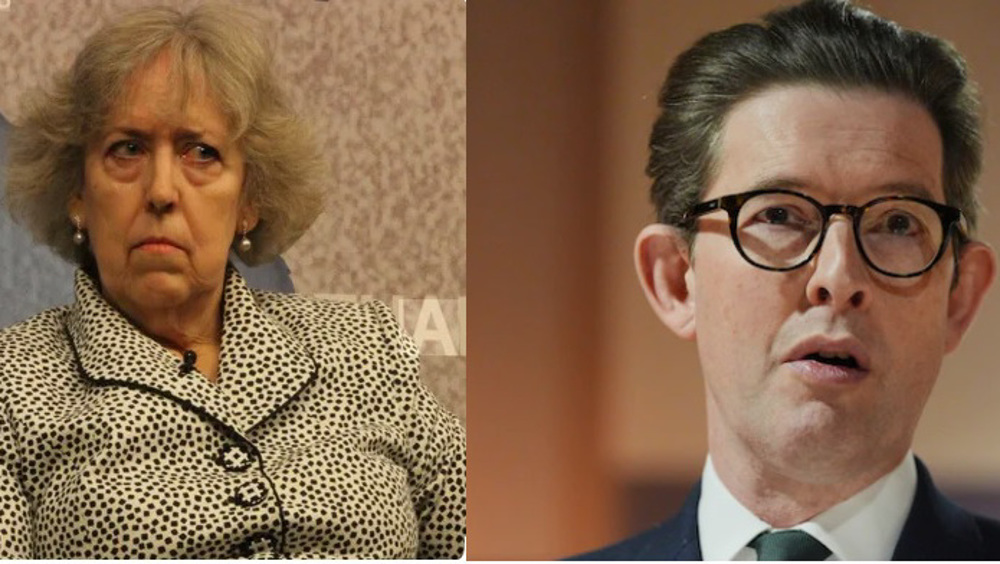
MI5 directors secretly pushed for Britain’s decision to designate the Islamic Revolution Guards Corps (IRGC) as a terrorist organization and helped the government adopt the draconian National Security Act, a report says.
The report, published by The Grayzone on Friday, revealed that MI5 Director General Kenneth Douglas McCallum and former MI5 chief Baroness Eliza Manningham-Buller privately worked to advance the IRGC designation and expand state security powers before the measure was adopted.
McCallum discussed the proposed IRGC proscription with then-Shadow Home Secretary Yvette Cooper in 2023, while acknowledging that its “direct operational benefit” was likely to be “modest.”
Despite recognizing the limited practical impact, McCallum told Cooper that granting authorities such powers was still “sensible to contemplate” as Britain debated whether to formally proscribe the IRGC.
The leaked emails showed that the IRGC designation gained momentum amid false claims by British security officials that Iran had been involved in plots inside the UK, including McCallum’s statements that MI5 had disrupted multiple Iran-related threats without disclosing any evidence.
The UK government officially designated the IRGC as a terrorist organization on July 13, granting authorities expanded powers to prosecute individuals for activities to support or promote the group under Britain’s so-called terrorism laws.
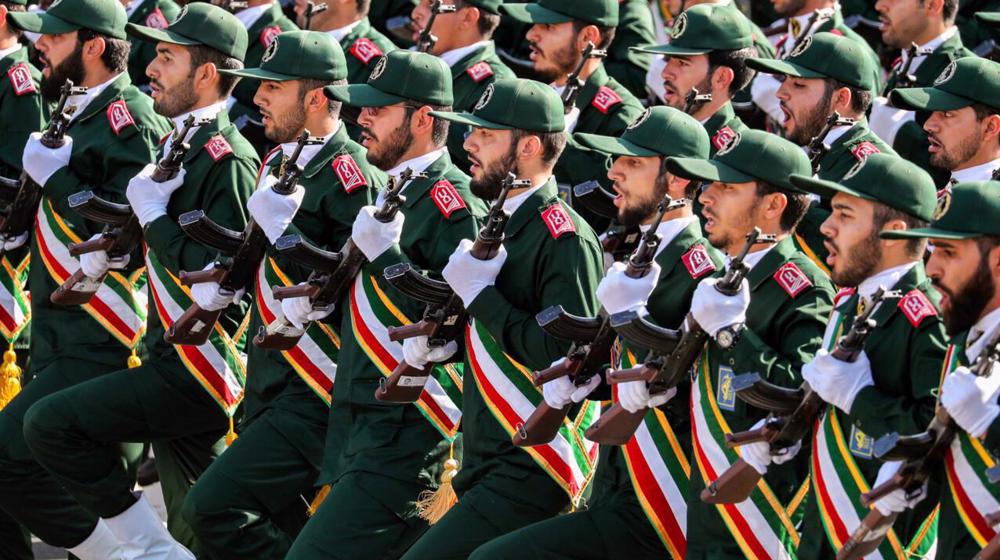
The report also linked the intelligence campaign to the passage of the National Security Act, a controversial law that expanded government powers against activities considered threats to national security.
In one leaked email, McCallum thanked Manningham-Buller for helping secure the legislation, writing, “Many thanks for your support (and stamina) in getting the NS Act over the line.”
The report said the legislation introduced offenses targeting unauthorized disclosures of state information, while parliamentary debates explicitly referenced preventing future “WikiLeaks-type” disclosures.
The Grayzone also cited warnings from lawyers involved in drafting the legislation that the Act could have a “chilling effect” on legitimate journalistic activity.
The leaked correspondence showed McCallum continued promoting warnings about foreign threats, including unfounded claims that Iran had carried out plots against British targets.
In October 2024, Manningham-Buller praised McCallum’s public security warnings, writing, “You could not have hoped for fuller coverage. Hope it helps with SR,” referring to the government’s spending review.
The report said the exchange highlighted how claims of foreign threats were used to support calls for increased intelligence resources, with the government later announcing a seven-percent rise in spending on domestic and foreign intelligence operations.
Irish, Scottish and Welsh leaders to meet to discuss UK break-up
UK chancellor sounds alarm over economic fallout from war on Iran
UK to adopt 'comprehensive' measures against Israel over West Bank settlements



VIDEO | Press TV's news headlines
VIDEO | Priests rally in Rome to honor Palestinian, Lebanese children murdered by Israel
Iran’s military warns of ‘unpredictable blows’ in response to US threats
VIDEO | US economic war on Iran
Iran FM meets with US envoy on UN meeting’s sidelines at American side’s insistence: Report
UN chief warns Israeli violence in West Bank raises ‘specter of ethnic cleansing’
VIDEO | ‘Korea gets nothing, loses everything, with Hormuz deployment’
Iran parliamentary commission approves penalties for violators of Hormuz laws


 PressTV NEWSLETTER
now
PressTV NEWSLETTER
now
 This makes it easy to access the Press TV website
