Bodies of five IRGC members killed in US-Saudi airstrikes repatriated to Iran
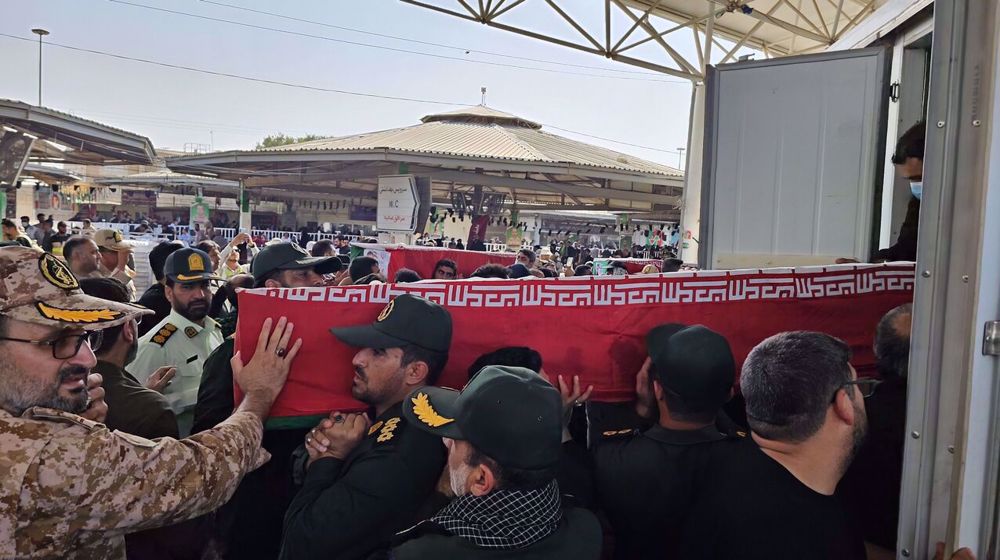
The bodies of five Iranian Islamic Revolution Guards Corps (IRGC) members martyred in joint US-Saudi airstrikes in Iraq’s Diyala province have been repatriated to Iran through the Mehran border crossing.
The martyrs had been tasked with helping secure the annual Arbaeen pilgrimage, protecting Iranian pilgrims traveling to Iraq when they were targeted in the aerial attacks.
Four of the martyrs were identified as Morteza Akbari from Khomein, and Ali Asghar Astaneh, Abolfazl Motaqi, and Amirabbas Darhamforoush from Kashan.
Iranian media said funeral arrangements are underway and the bodies will be transferred to their hometowns for burial.
The Mehran border crossing in western Ilam province serves as the main gateway for Arbaeen pilgrims, with more than 60 percent of travelers to Iraq using the route each year.
Arbaeen marks forty days after the martyrdom anniversary of Imam Hussein (AS), the grandson of the Prophet Muhammad (PBUH) and the third Shia Imam.
The repatriation follows joint Saudi-US airstrikes on positions of Iraq’s Popular Mobilization Units (PMU), or Hashd al-Sha'abi, across several Iraqi provinces on Wednesday.
Iraq's former PM, Al-Sudani, condemns Saudi-US strikes on Hashd al-Shaabi as a blatant violation of Iraqi sovereignty, questioning the timing after Baghdad launched probes into drone claims—and warns Iraq will not stay silent on attacks against its security. pic.twitter.com/Ybnz6UJH24
— Press TV 🔻 (@PressTV) July 29, 2026
The strikes targeted PMU positions in Baghdad, Wasit, Nineveh, Basra, Kirkuk, Karbala, and Diyala, killing at least 20 resistance fighters and wounding 32 others.
The attacks came after Saudi Arabia claimed that Iraqi resistance groups had launched attacks on its oil facilities, allegations that were rejected by both the Iraqi government and the resistance groups.
Iraq cancels PM’s Riyadh visit after US-Saudi aggression amid calls for responsehttps://t.co/Y9gbSoZrSt
— Press TV 🔻 (@PressTV) July 29, 2026
Iraqi President Nizar Amedi condemned the strikes as "an unacceptable act, a flagrant violation of Iraqi sovereignty, and contrary to international law and the United Nations Charter."
Iraq's National Security Council also reaffirmed Baghdad's rejection of hostile actions on its territory and called for disputes to be resolved through diplomatic means.
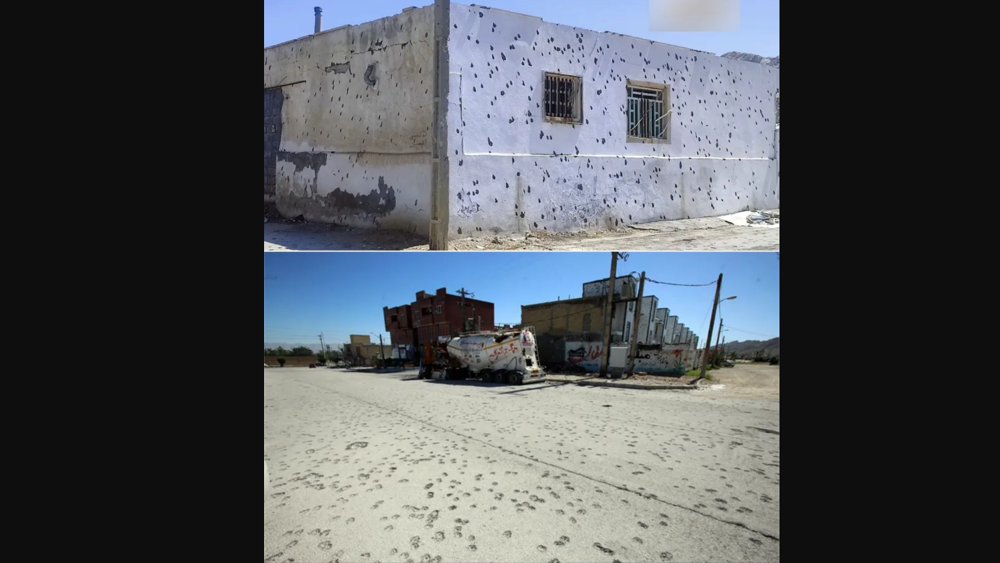
Iran: US cannot evade responsibility for war crimes by leaving UN rights council
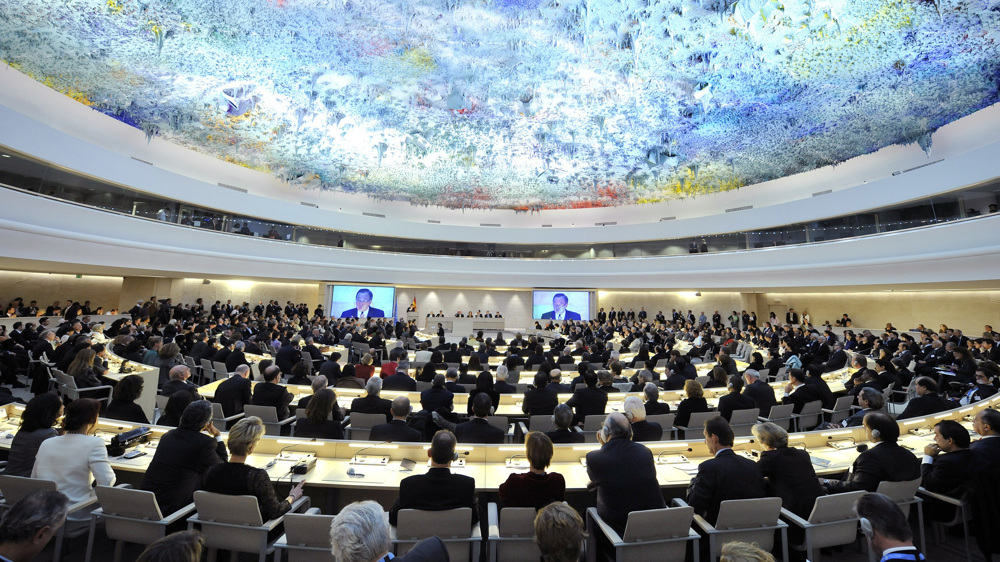
US leaves UN Human Rights Council after probe finds possible American war crimes in Iran
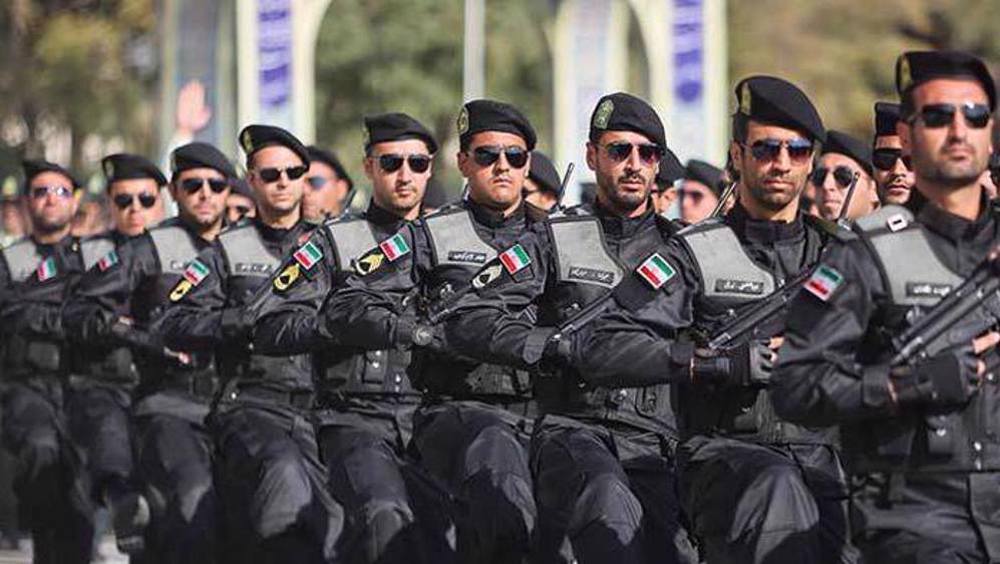
IRGC intelligence forces eliminate two terrorists in southeast Iran



15 nations reject attacks, threats against safeguarded nuclear facilities
VIDEO | Tabriz hosts 26th Iranian annual nuclear medicine congress
Two years after Israel’s pager terrorism in Lebanon: Scars, loss, and the will to carry on
Three students killed, eight wounded in Philippines school shooting
Two women injured as Saudi forces shell residential area in Yemen’s Sa’ada
Baghaei: ‘Crude’ US propaganda reveals ‘naivety’ behind ‘unlawful war of choice’ against Iran
Yemenis hold rally in Sa'ada in support of armed forces after lightning advances
Dozens killed in mosque blast, militant clashes in Pakistan’s Khyber Pakhtunkhwa


 PressTV NEWSLETTER
now
PressTV NEWSLETTER
now
 This makes it easy to access the Press TV website
