Any agreement with Israel ‘meaningless’ without withdrawal from south Lebanon: Amal Movement MP

A Lebanese lawmaker from the political wing of the Amal Movement says any agreement with the Tel Aviv regime will be “meaningless” without the withdrawal of Israeli occupation forces from southern Lebanon.
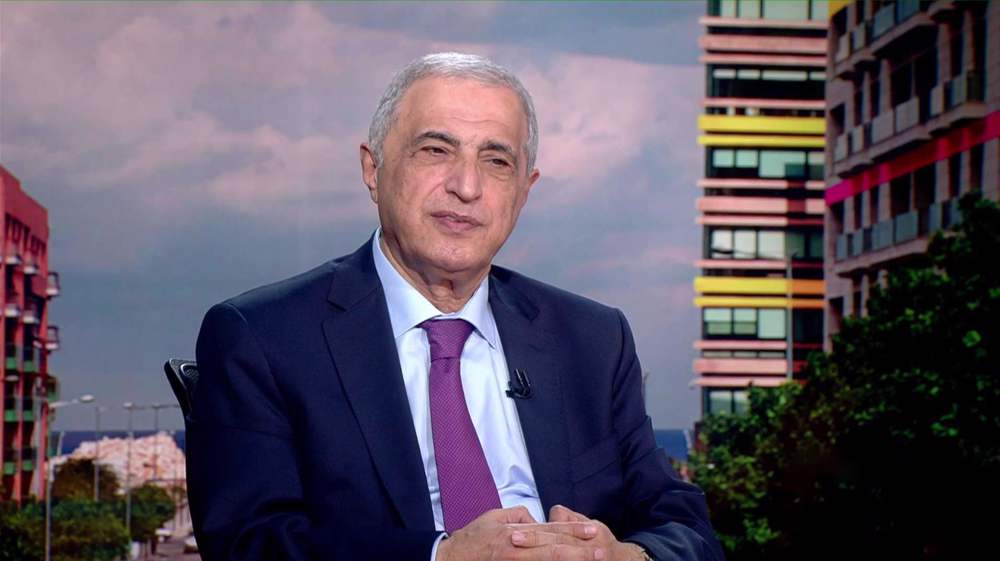
Qassem Hashem, a member of the Development and Liberation bloc, underlined the need to adhere to the implementation of the ceasefire between Lebanon and the Israeli regime, and the necessity for the Israeli army to withdraw from occupied areas in southern Lebanon.
“The occupation should not continue indefinitely, and the Zionist enemy must not have the upper hand by any means. Any deal or agreement between the Beirut government and the Israeli regime will be pointless without the latter’s withdrawal from occupied areas [in southern Lebanon],” Hashem said on Sunday.
He added that Israeli Prime Minister Benjamin Netanyahu’s emphasis on continuation of the occupation, and refusal to pull military forces out of southern Lebanon carries an important message to the Lebanese nation, and should not be overlooked.
“Therefore, any future accord that does not force the Israeli troops to withdraw from the occupied territories, whether through direct pressure or a clear guarantee to expand the so-called pilot zones, will be meaningless,” Hashem pointed out.
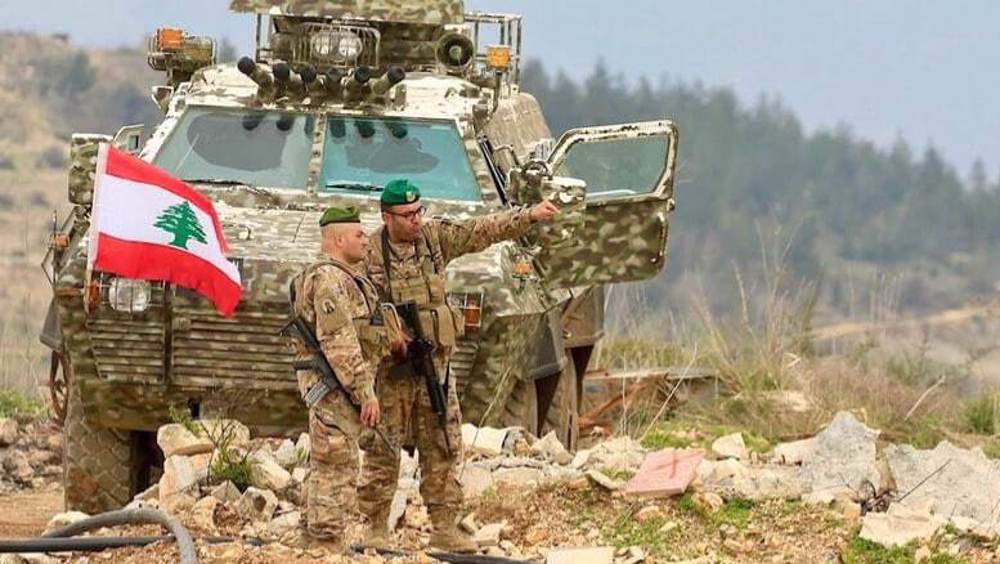
Qassem noted that a national position is necessary to protect Lebanon’s sovereignty and dignity and not to surrender to any kind of dictate in the wake of preparations for a new round of face-to-face negotiations with Israel, which have not yielded any concrete results.
“This unified position must be a powerful factor in confronting the Zionist regime’s ever-present threats,” the Lebanese legislator said.
On March 2, Hezbollah launched military operations against the Israeli regime in response to the US-Israeli aggression against Iran, Israel’s repeated violations of the 2024 ceasefire, and its continued occupation of Lebanese territory in the country’s south.
Following the Iran-US ceasefire on 8 April, Tel Aviv was compelled to accept a ceasefire in Lebanon as well, after Tehran demanded an end to Israeli attacks on Lebanese soil as one of its primary conditions in indirect negotiations with Washington.
The Israeli military, however, quickly resumed its assaults on southern Lebanon in violation of the agreement.
The July 17 Islamabad Memorandum of Understanding between Iran and the United States, which was intended to bring the war to an end, stipulated that hostilities would cease on all fronts, including Lebanon. However, Israel again violated that agreement and failed to abide by its commitments.
On June 26, Lebanon and Israel signed a framework agreement, mediated by the United States, which outlines a phased withdrawal of Israeli forces from all occupied territories in Lebanon, starting with a pilot model in two zones that have not been publicly revealed.
The agreement does not establish a timeline for the withdrawal, tying its completion to the Lebanese army taking full security responsibility in the areas that have been evacuated and the disarmament of armed groups, specifically referring to Hezbollah.
Hezbollah has rejected the agreement, saying the framework deal legalizes Israeli occupation of southern Lebanon.
Amal Movement also rejected the so-called agreement, saying that most of the deal’s clauses are detrimental to Lebanon’s national interests and serve the interests of the Israeli regime.
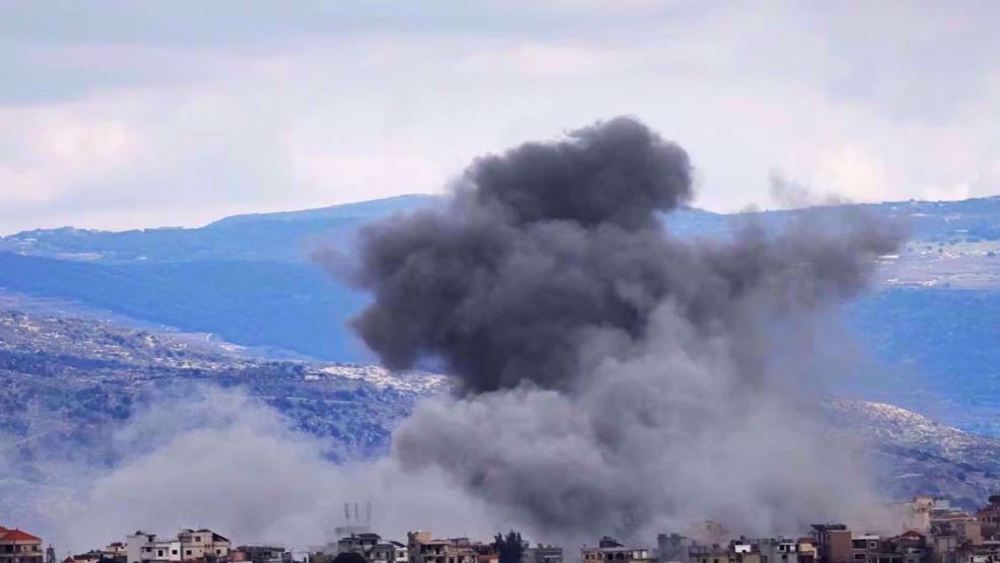
Official Lebanese statistics indicate that Israeli strikes in Lebanon have resulted in 4,330 fatalities and left 12,236 others injured since March 2.
Israel continues to occupy swathes of southern Lebanon, with some areas held for many years and others taken during the recent war between October 2023 and November 2024.

Yemen's control of Bab al-Mandab 'deepens crisis' in Israel

US senator slams ‘bogus’ spy claims, demands immediate release of Press TV journalist
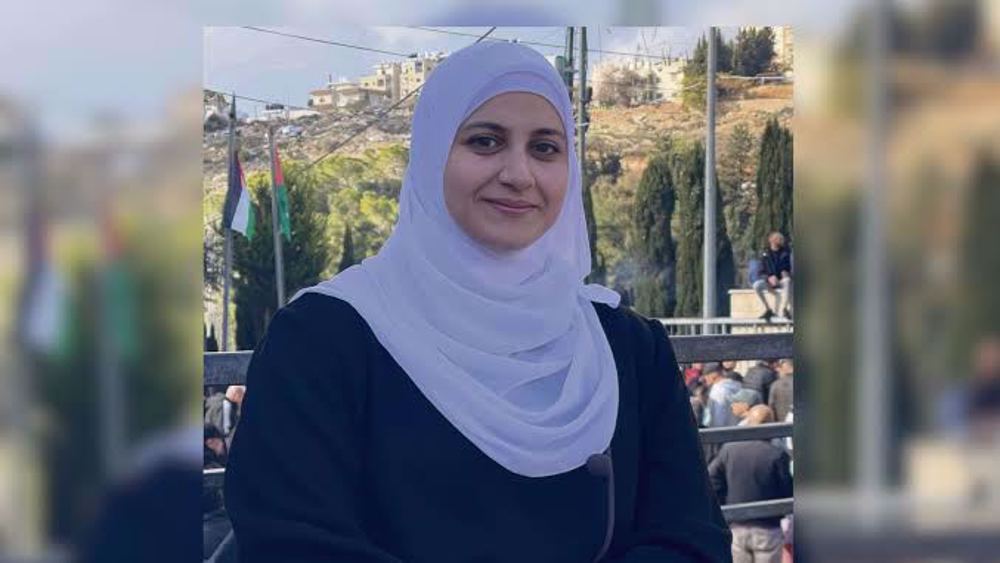
Israeli occupation court extends detention of Press TV journalist Naqaa Hamed



Yemenis hold rally in Sa'ada in support of armed forces after lightning advances
Dozens killed in mosque blast, militant clashes in Pakistan’s Khyber Pakhtunkhwa
Iran: US cannot evade responsibility for war crimes by leaving UN rights council
Saudi crown prince seeks dialogue with Ansarullah after Yemeni blows: Report
IRGC intelligence forces eliminate two terrorists in southeast Iran
South Korea says will not send troops to join terrorist US war on Iran
Yemen's control of Bab al-Mandab 'deepens crisis' in Israel
Iran calls for ‘zero-tolerance’ policy on attacks against nuclear facilities at IAEA





 PressTV NEWSLETTER now
  This makes it easy to access the Press TV website