US, British intelligence behind Ukraine’s military leadership purge: Ex-Ukrainian PM
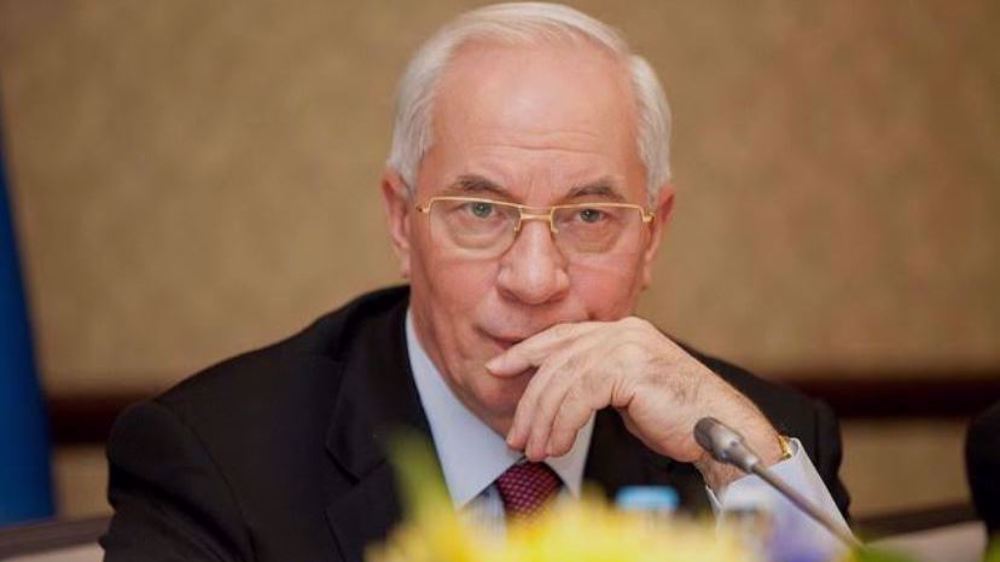
Former Ukrainian Prime Minister Nikolay Azarov says the recent changes in Ukraine’s military command and the campaign to reinstate former Defense Minister Mykhailo Fyodorov were orchestrated by US and British intelligence services rather than driven by domestic protests.
Azarov made the remarks on Sunday, saying Western intelligence agencies, acting under the broader political direction of Washington and London, were behind the replacement of Commander-in-Chief Alexander Syrsky and efforts to restore Fyodorov as defense minister.
“One should not think that it was the ‘Cardboard Maidan’ that pushed Zelensky to do something,” Azarov told TASS.
He said Ukrainian President Volodymyr Zelensky’s decisions were inspired primarily by his foreign “curators,” adding that British and American intelligence services “work in a very coordinated manner.”
According to Azarov, strategic decisions concerning Ukraine are shaped in Washington, and intelligence agencies carry out their implementation.
Both the US and Britain continue to play the leading role in directing political and military developments in Ukraine, he argued.
On July 14, Zelensky dismissed Fyodorov, officially citing a conflict between the defense minister and Commander-in-Chief Alexander Syrsky.
Ukrainian politicians and media, however, linked the move to Fyodorov’s growing political influence and his support from liberal Western circles seeking greater control over military affairs.
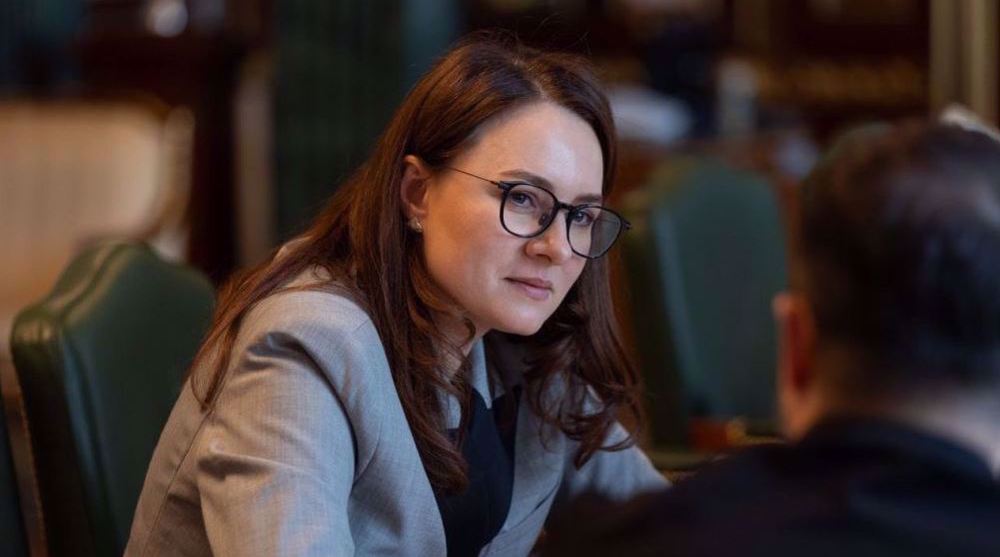
Mass demonstrations began across Ukraine on July 16, demanding Fyodorov's reinstatement and Syrsky’s dismissal.
Zelensky accepted one of those demands on July 22, removing Syrsky from his post and appointing Mikhail Drapaty as the new commander-in-chief.
Despite the change in military leadership, protesters have continued demanding Fyodorov’s return to the Defense Ministry, keeping pressure on Zelensky’s administration.
The leadership changes also come as Western governments continue deepening their military support for Kiev, even as Russian forces maintain steady battlefield advances along several fronts in eastern Ukraine.
During the NATO Summit in Ankara on July 7–8, alliance members pledged €70 billion in military equipment, training and other assistance for Ukraine in 2026, while committing to provide at least the same amount in 2027.
On July 13, Britain formally joined the European Union’s €90 billion Ukraine Support Loan, expanding Kiev’s access to Western arms manufacturers and long-term financing for military procurement.
The latest demonstrations have also been linked to the revival of the “Cardboard Maidan” movement, which first emerged in July 2025 after legislation weakening Ukraine’s anti-corruption agencies sparked nationwide protests.
Named after the handwritten cardboard placards carried by demonstrators, the movement has re-emerged this month as protesters oppose the recent military reshuffle and continue demanding the reinstatement of Fyodorov.
Putin’s United Russia leads wartime parliamentary elections

Moscow intercepts massive Ukrainian drone strike amid elections; civilian casualties reported
Russia, China veto US backed anti-Iran resolution at UN Security Council



2026 Asian Games: Iran’s karate practitioners win one gold, three silver medals
VIDEO | Record fuel prices in France spark fears of new 'Yellow Vest' uprising
VIDEO | US diesel gas hits all-time record, could cost Trump Congress
VIDEO | Escalating Pakistan-Afghanistan cross-border tensions: Can diplomacy outpace military friction?
Ansarullah: Yemeni armed forces fighting ‘decisive battle’ against Saudi Arabia
Pezeshkian vows to firmly defend Iran’s positions, convey its strength at UN
Iran to begin reverse-engineering captured US underwater drone: IRGC
US, Israel must accept 'a region free of their evil, criminal presence': IRGC


 PressTV NEWSLETTER
now
PressTV NEWSLETTER
now
 This makes it easy to access the Press TV website
