Iranian border guards eliminate two terrorists in southeast amid US attempts to undermine security
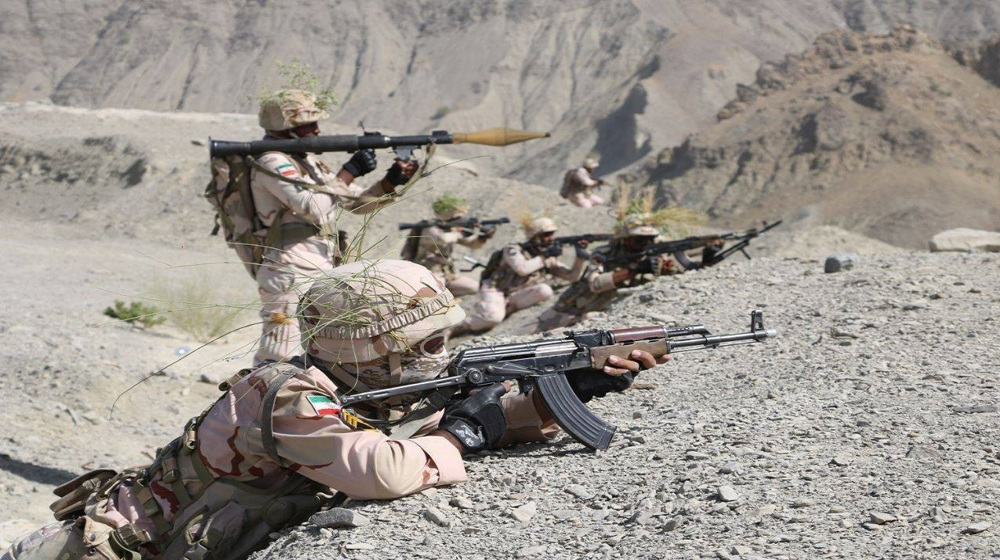
Iranian border guards have eliminated two members of a terrorist group during an armed confrontation in Sistan and Baluchestan Province, thwarting an infiltration attempt aimed at carrying out acts of sabotage inside the country.
Commander of Iran's Border Guard Police, Brigadier General Ali Akbar Javidan said on Thursday that the terrorists intended to infiltrate Iran and carry out sabotage operations in the country's central provinces.
“The operation was carried out with complete intelligence dominance as well as the combat and operational readiness of our border guards,” Javidan stressed.
Border guards also seized two M4 assault rifles, ammunition, explosive fuses and detonators from the militants following the armed confrontation.
Javidan praised the vigilance and operational readiness of the border guards, noting that intelligence operations remain underway to identify and apprehend other members linked to the terrorist cell.
“Efforts to identify and apprehend the remaining members of this terrorist group are continuing,” he emphasized.
Jekigor, located in the border county of Rask, has repeatedly witnessed attempts by terrorist and armed groups to infiltrate Iran through the country's southeastern frontier.
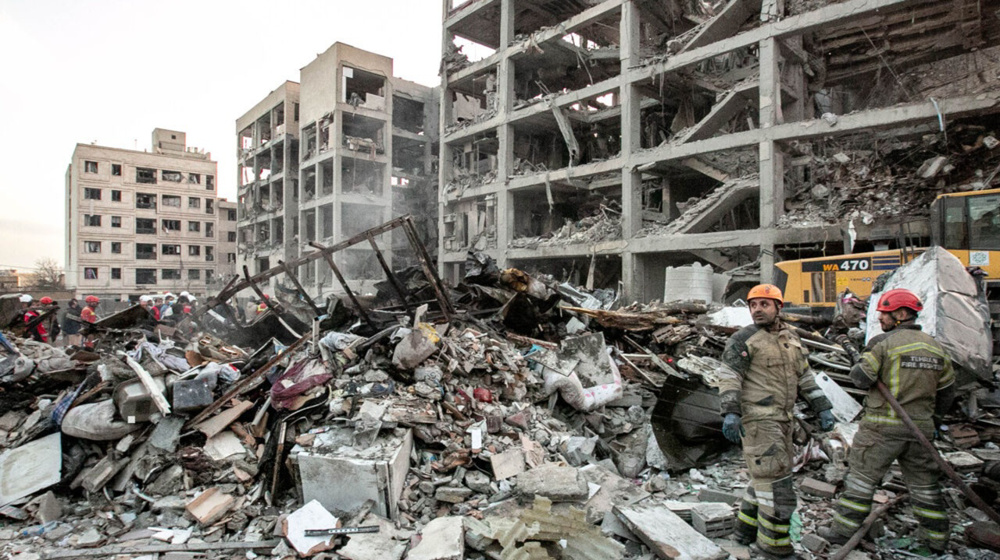
The latest operation comes as Iran warns that recent US military aggression has sought to undermine security in Sistan and Baluchestan by targeting military and security installations across the province.
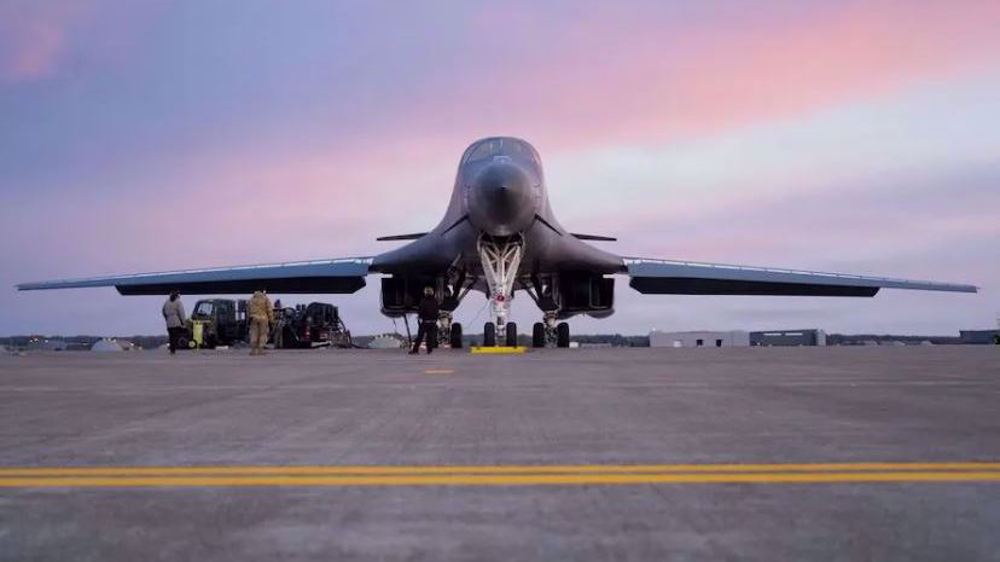
On July 15, the US terrorist army struck the Iranian Army's 388th Mechanized Brigade barracks in Bampur County, martyring seven soldiers and wounding 13 others, while also targeting military facilities in Iranshahr.
US strikes also targeted a base belonging to the Islamic Revolution Guards Corps (IRGC) in the southeastern city of Saravan.
Tehran has described the attacks as an attempt to undermine security in one of Iran's most sensitive border regions and create opportunities for terrorist and separatist groups to expand their operations.
The attacks have failed to achieve their objectives, with intelligence, military and border forces intensifying counterterrorism operations to thwart attempts by hostile armed groups to exploit the situation, Iranian security officials maintained.
US and Israeli officials have publicly acknowledged efforts to support terrorist networks targeting Iran through cross-border channels.
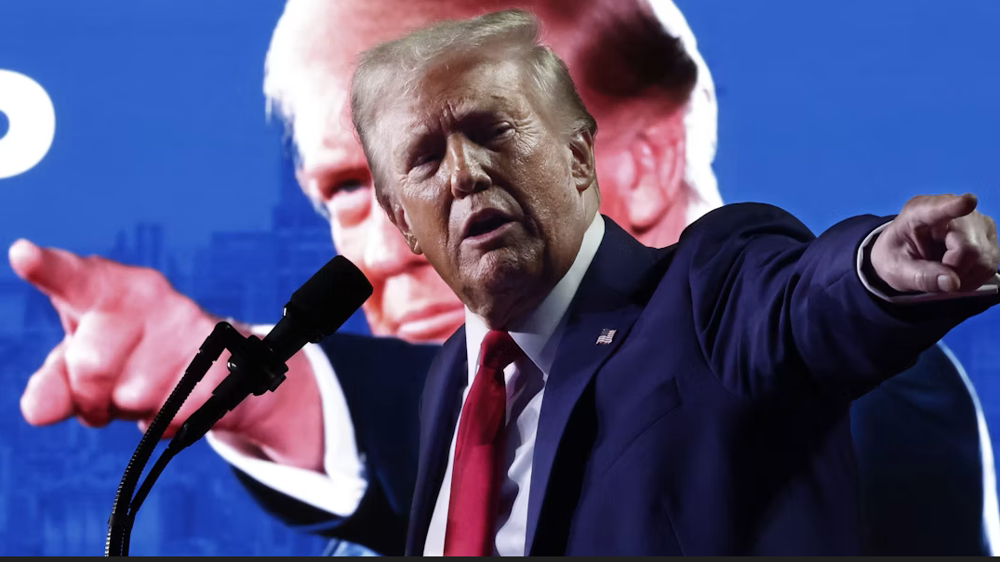
On May 11, 2026, US President Donald Trump admitted Washington had attempted to send weapons to anti-government elements in Iran through Kurdish groups in Iraq, stating: "We sent some guns with ammunition... they were supposed to be delivered, but they kept it."
On June 23, 2026, former Israeli prime minister Naftali Bennett also acknowledged that Israel had covertly smuggled "tens of thousands" of Starlink satellite internet terminals into Iran to assist anti-government militants, saying the devices were intended to help the terrorist elements to communicate and coordinate their activities.
The latest round of aggression against Iran began on February 28, when US and Israeli forces launched large-scale attacks on Iranian territory.
Iran responded with daily waves of missiles and drones targeting US and Israeli military assets across the region under the operational codename “True Promise 4,” while closing the Strait of Hormuz.
Iran and the US later signed the Islamabad Memorandum of Understanding (MoU) on June 17 to end the war across all fronts.
However, renewed US attacks in past two weeks, have prompted Tehran to resume drone and missile strikes against US military assets in the region and once again impose restrictions on the Strait of Hormuz.
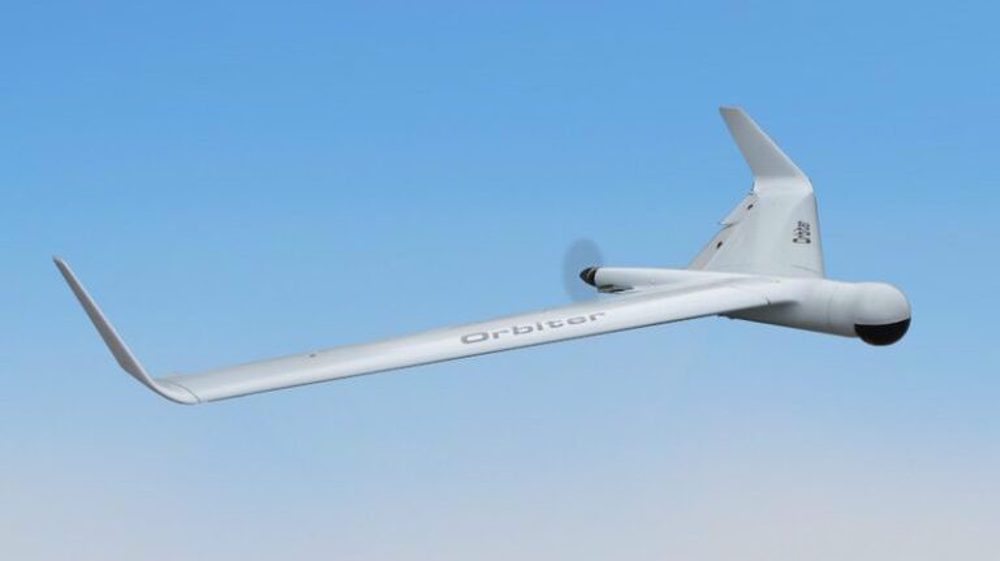
Iran Army downs US Orbiter reconnaissance drone over Strait of Hormuz
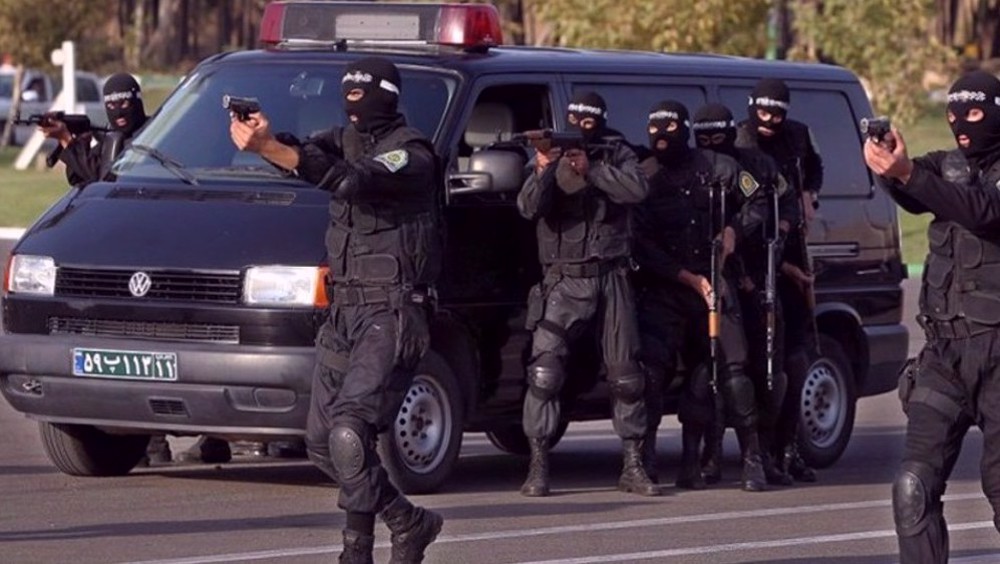
Iran dismantles terrorist cells in three provinces
How Iran turned US military and economic aggression into strategic leverage to dictate terms



Protests erupt in US as ICE agent shoots Venezuelan driver
US pressure fuels cooperation among Muslim states: Pezeshkian
Major TV networks suspend White House pool coverage after Trump ban
US visa ban on Palestinian UN delegation violates international agreements: Hamas
VIDEO | Press TV's news headlines
Iran calls on France to respect law after suspending French cultural institute in Tehran
Israel lobby no longer shy about its grip on US policy on Iran: Araghchi
Saudi Arabia allows Israel to use its military bases to spy on Yemen: Houthi


 PressTV NEWSLETTER
now
PressTV NEWSLETTER
now
 This makes it easy to access the Press TV website
