
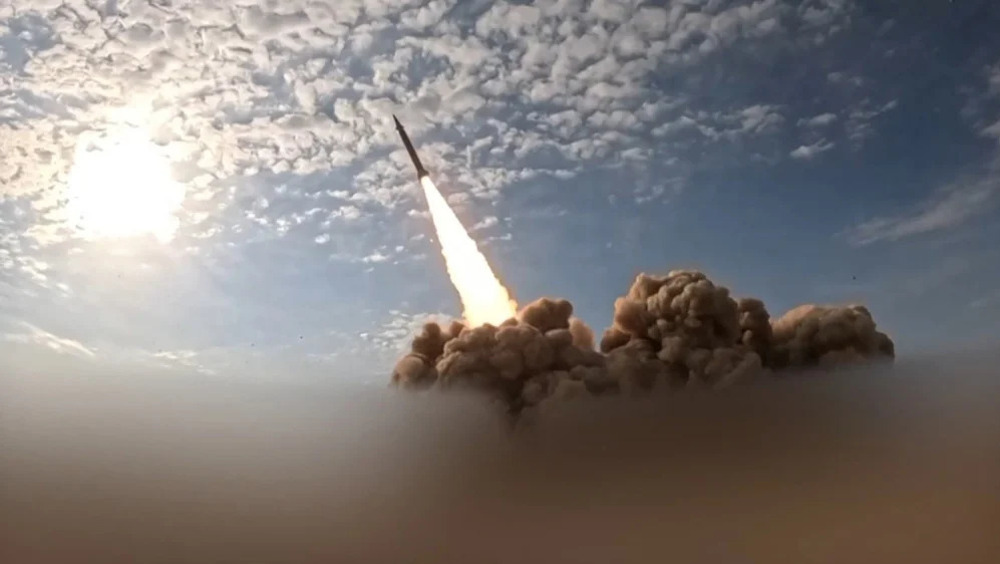
The Islamic Revolution Guards Corps (IRGC) says it launched a fresh wave of retaliatory missile and drone strikes on two US military bases in Jordan, inflicting heavy damage on an MQ-9 drone hangar, hitting an F-15 jet facility, and killing or wounding American troops.
In a statement issued on Wednesday, the IRGC said the strikes targeted the King Faisal and Prince Hassan air bases in the latest phase of Operation Nasr-2, conducted overnight in response to continued US aggression against the Islamic Republic.
A shelter used to maintain and service F-15 fighter jets was hit in the first phase of the operation, it said, adding that eight new MQ-9 drones, still in their shipping containers before entering service, were completely destroyed after a drone preparation hangar was struck. Two additional MQ-9 drones positioned outside the facility also sustained heavy damage.
The IRGC further said a helicopter maintenance hangar was struck, causing significant damage to two US heavy-lift helicopters.
According to the statement, a separate strike targeted a US troop accommodation facility, resulting in an unspecified number of American casualties.
The IRGC said its retaliatory operations would continue until the Trump administration pays a heavy price for violating agreements and renewing its aggression against Iran.
"If the aggressor is not punished and made to pay a heavy price for violating agreements, it will assume it can resume war whenever it wishes and end it whenever it comes under pressure, perpetuating the cycle of war, negotiations and renewed war," the statement said.
The IRGC warned that if US aggression against Iran continues, the country's armed forces are fully prepared to launch operations that would leave the United States with "nothing but regret" and plunge the country into mourning.
The statement further said that no vessel attempted to use the unauthorized southern route through the Strait of Hormuz overnight.
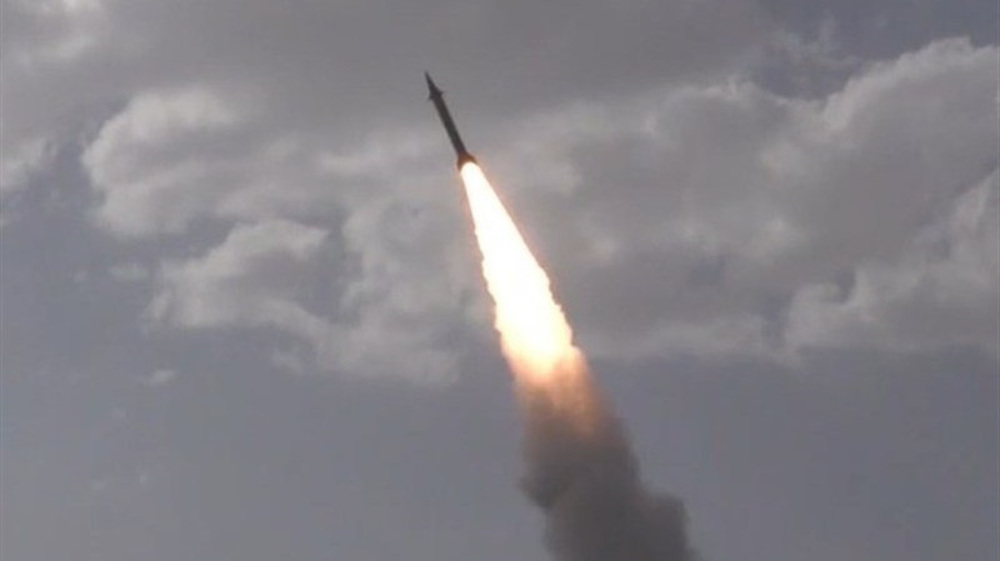
Meanwhile, US Central Command (CENTCOM) said it had completed its 11th consecutive night of air strikes against Iran, claiming the attacks were intended to further "degrade" the Islamic Republic's "ability to threaten commercial shipping in the Strait of Hormuz."
CENTCOM, which oversees US military operations in West Asia and is designated a terrorist organization by Iran, said the latest strikes were aimed at forcing open the strategic waterway after Tehran tightened its control over the vital maritime passage.
Earlier this month, the United States resumed its military aggression against Iran, violating the preliminary agreement known as the Islamabad Memorandum of Understanding (MoU), which both sides signed on June 17.
The agreement explicitly mandates the cessation of hostilities on all fronts. It stipulates that Iran will develop mechanisms for the future management of the Strait of Hormuz in consultation with Oman and through discussions with other regional countries.
Washington, however, has sought to steer vessels along a route rejected as illegal by Tehran, bypassing the maritime corridor Iran designated for safe and lawful passage through the narrow strait under the MoU.
Iran has consistently maintained that safeguarding the strategic waterway is its sovereign right, warning that any attempt by foreign powers to undermine its authority or circumvent its security measures will be met with a firm and decisive response from the country's armed forces.
 This makes it easy to access the Press TV website