Hegseth begs Congress for $67 billion more as war on Iran costs spiral
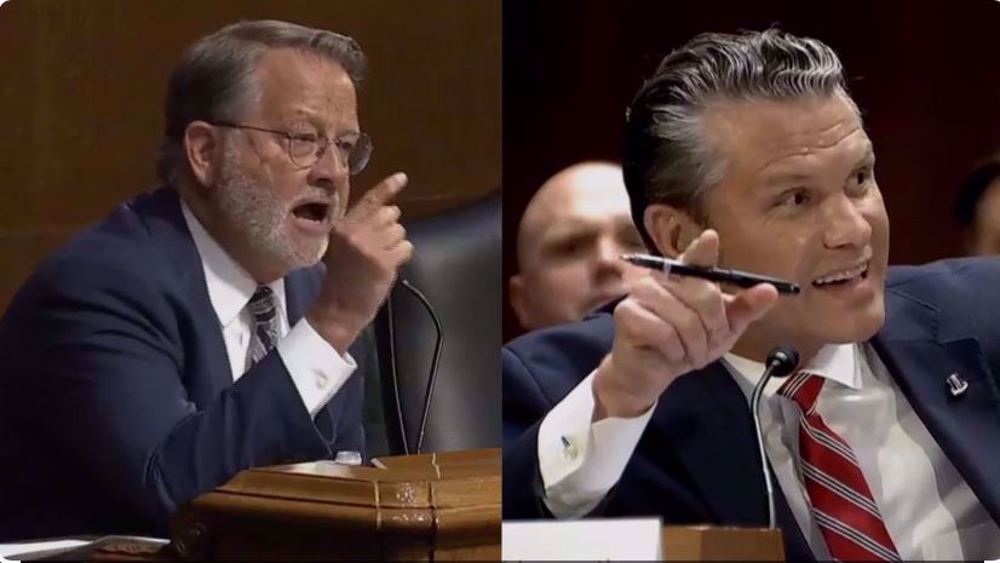
Secretary of War Peter Hegseth has placed the cost of the US war on Iran at $37.5 billion while requesting tens of billions of dollars more from Congress to continue the aggression, as lawmakers challenge the administration’s claims of success.
During a Senate Appropriations Committee hearing on Tuesday, Hegseth said the Iran war had cost the US $37.5 billion so far and asked Congress for another $67 billion in supplemental funding to continue the US-Israeli aggression in the coming months.
The estimate represents an increase from previous Pentagon figures and includes payroll, operations, maintenance, and other anticipated expenses through the end of the budget year.
However, the figure does not include the full cost of rebuilding damaged US military bases, which have suffered extensive damage from strikes carried out by Iran’s Armed Forces.
A separate internal assessment has placed the overall cost of the war significantly higher, estimating that the US has spent between $80 billion and $100 billion when including the repair of damaged military facilities, replacement of destroyed aircraft, and replenishment of American weapons stocks.
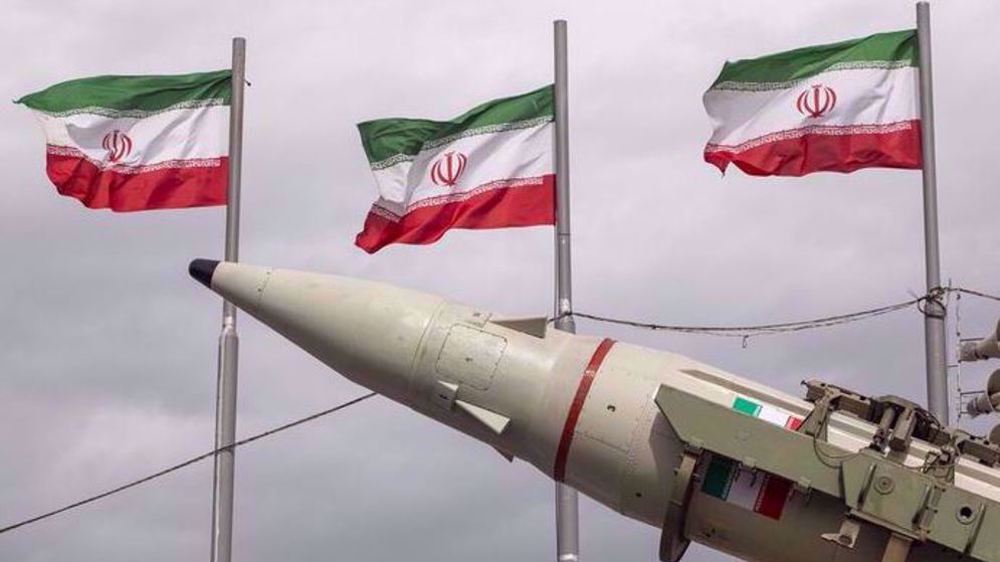
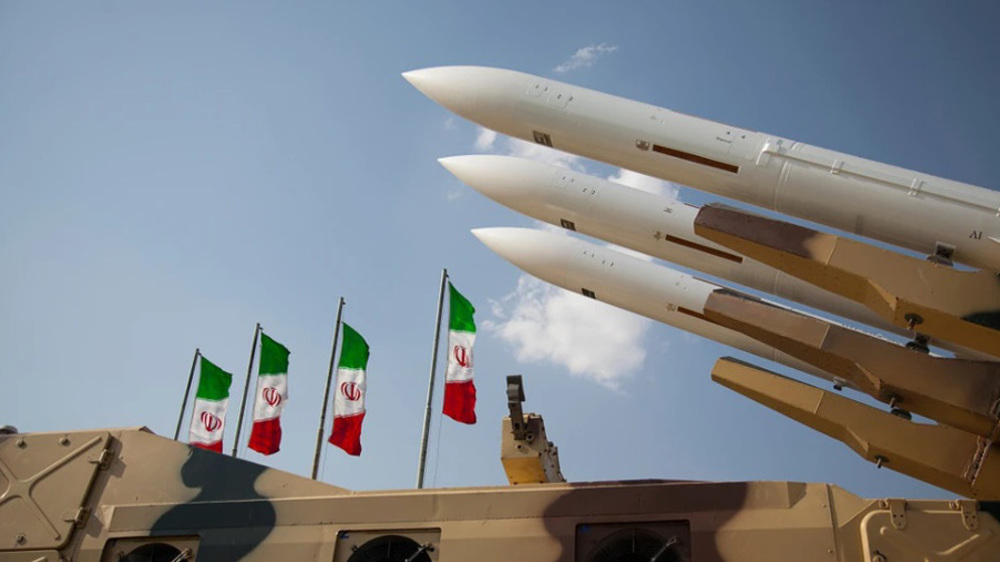
The growing financial burden comes as Iran’s Armed Forces have carried out repeated missile and drone strikes against US military positions and assets across West Asia, damaging American facilities and disrupting Washington’s regional military presence.
The Pentagon request for additional funding has also drawn scrutiny as President Donald Trump has repeatedly claimed, without providing evidence, that the US had already achieved victory in the war, raising questions as to why Washington requires tens of billions of dollars more if it has already won.
Democratic senator calls Hegseth failure over US-Israeli aggression against Iran
During the hearing, Democratic Senator Gary Charles Peters of Michigan called Hegseth a failure and condemned the Trump administration for requesting nearly $70 billion in additional funding without presenting a clear strategy to end the aggression.
“Secretary Hegseth, despite your failure to win this war, you are back now before Congress asking for almost $70 billion in additional funding.
“You are asking the American people for a blank check, because once again, the Trump administration’s efforts have been an utter and complete failure to win this war to this point.”
Peters also pointed to the deaths of US service members, the disruption of the Strait of Hormuz, and the continued existence of Iranian missile capabilities as evidence that the administration’s strategy had failed.
“You, sir, are the failure,” Peters told Hegseth, arguing that troops were being placed in danger because of a lack of leadership and a long-term plan.
The latest round of aggression against Iran began on February 28, when US and Israeli forces launched large-scale strikes on Iranian territory.
Iran responded with daily waves of missiles and drones targeting US and Israeli assets across the region, while closing the Strait of Hormuz and significantly increasing global energy prices.
Iran and the US later signed the Islamabad Memorandum of Understanding (MoU) on June 17 aimed at ending the war across all fronts.
However, renewed US-Israeli military aggression against Iran in recent days has prompted Tehran to resume missile and drone strikes against US assets in the region and close the Strait of Hormuz once again, triggering another surge in energy prices.
US clears way for F-35 sale to Saudi Arabia amid aggression against Yemen
US lawmaker slams Trump’s $5 billion weapons sale to Saudi Arabia

China rejects US ‘long-arm jurisdiction,’ says trade ties must not face third-party coercion



Yemenis hold rally in Sa'ada in support of armed forces after lightning advances
Dozens killed in mosque blast, militant clashes in Pakistan’s Khyber Pakhtunkhwa
Iran: US cannot evade responsibility for war crimes by leaving UN rights council
Saudi crown prince seeks dialogue with Ansarullah after Yemeni blows: Report
IRGC intelligence forces eliminate two terrorists in southeast Iran
South Korea says will not send troops to join terrorist US war on Iran
Yemen's control of Bab al-Mandab 'deepens crisis' in Israel
Iran calls for ‘zero-tolerance’ policy on attacks against nuclear facilities at IAEA




 PressTV NEWSLETTER now
  This makes it easy to access the Press TV website