
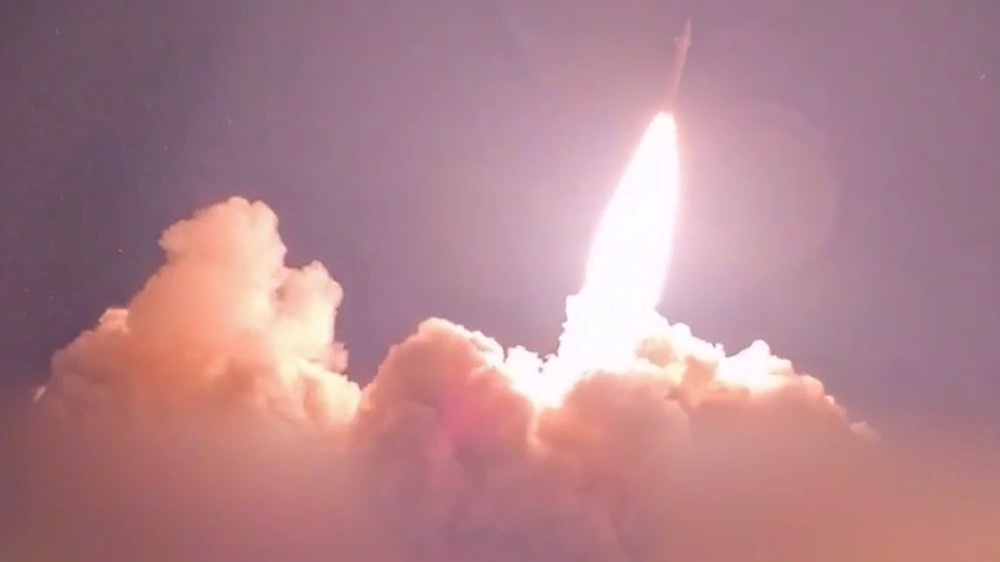
Iranian missiles are penetrating US and allied air defenses in West Asia with increasing frequency, causing mounting casualties among American service members and raising questions about the effectiveness of defensive systems, US officials and regional analysts say.
The problem came into sharp focus after a strike on Muwaffaq Salti Air Base in Jordan on Friday killed two US soldiers and left one missing. Secretary of State Marco Rubio acknowledged that a single missile had evaded interception.
"A missile got through. We shot down almost all the missiles. One leaked through … it's heartbreaking," Rubio said.
But the incident was not isolated. The same base had been struck twice in the preceding 48 hours, with direct hits wounding dozens of US personnel, according to CBS News.
Asked how the missiles reached the base, US Central Command spokesman Captain Tim Hawkins declined to discuss the ongoing review, saying US and partner forces had "defeated dozens of missiles and drones launched by Iran toward neighboring Persian Gulf countries on July 17, but unfortunately a few got through and made impact."
President Donald Trump suggested that others were responsible for the defensive failure, saying there were "other operators" at the base who "let something through."
"They (Iran) did slip something through in Jordan, and we had other operators," Trump told reporters at the White House.
"We have the best equipment in the world, you know, we've stopped almost everything. But, when you let other people do your job with the United States, we let other people do the job, and sometimes it doesn't work out so well."
Trump did not clarify who those operators were.
The Pentagon confirmed that nearly 100 US service members have been injured in Iranian attacks across West Asia this month, excluding the latest deadly strike in Jordan.
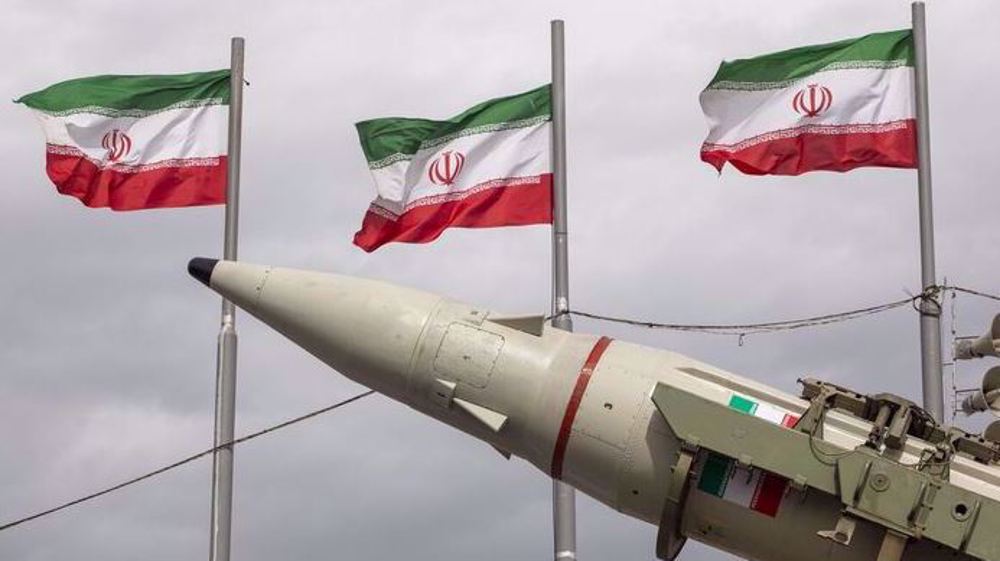
Retired Jordanian Lieutenant General Qasid Mahmoud, who served as Deputy Chief of Staff for Jordan's armed forces, attributed the growing effectiveness of Iran's attacks to improved missile technology and evolving tactics.
"The Iranians have advanced missile technology," Mahmoud said. "They're developing techniques and capacities to extend their reach, combining with drones to overwhelm radar defenses."
Mahmoud explained that Iran uses a strategy where simple missiles are fired first to distract radar systems, followed by higher-quality precision-guided munitions that change trajectory in the final 30 to 40 kilometers (18-25 miles) before impact.
"That change in trajectory makes it harder to intercept the missiles," he said. When an Iranian missile hits its intended target, he added, it is because US air defenses either failed to intercept it or failed to detect it in time.
Jordan had largely avoided Iranian attacks until recently, with Tehran focusing its strikes on US assets in Persian Gulf allies including Kuwait and Bahrain, which host heavily fortified American installations. Bahrain is home to the US Navy's Fifth Fleet, while Kuwait hosts roughly 13,000 US personnel across multiple bases.
On Tuesday, the Islamic Revolution Guards Corps (IRGC) said it disabled multiple US radar systems in Kuwait in ongoing retaliatory strikes.
Jordanian officials are sensitive about acknowledging the US military presence in their country. Foreign Minister Ayman Safadi had claimed that US forces do not maintain permanent bases in Jordan, operating instead under joint agreements.
The two US soldiers killed in Friday's strike were reportedly both serving with Army Air Missile Defense Command, the units responsible for operating air defense systems.
 This makes it easy to access the Press TV website