US war against Iran under strain as nearly 100 troops injured in two weeks
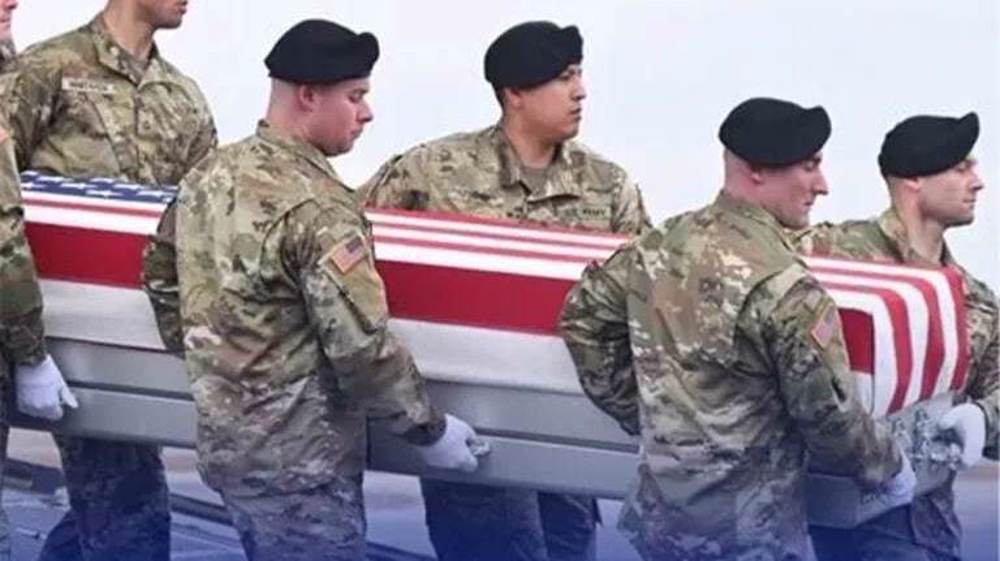
Nearly 100 US troops have been injured since Washington resumed its military aggression against Iran earlier this month, as reports point to mounting operational challenges facing the US aggression against the Islamic Republic.
Pentagon spokesman Sean Parnell acknowledged on Monday that "nearly 100 service members" had sustained injuries during the past two weeks, claiming that most suffered minor concussions and that the majority had returned to duty.
The announcement came after the Pentagon identified two US troops killed in an Iranian strike on an American base in Jordan, while US Central Command (CENTCOM) said it was analyzing remains recovered from the attack site as it searched for a third soldier believed to have been killed. Another US service member was also reported killed in northern Iraq on Saturday.
The US military says 17 American service members have been killed since Washington launched its aggression against Iran in late February, although the full extent of US casualties remains unclear.
Meanwhile, The Washington Post, citing US officials, reported that the American military is struggling with dwindling stockpiles of air-defense interceptors and long-range munitions, raising concerns about its ability to sustain strikes on Iran.
"We do not have enough to safely sustain operations, and I don't think the White House is aware of that," one US official told the newspaper.
According to the report, the US administration is planning for a broader war, but any expansion would be constrained by depleted weapons inventories, battle damage and limited capacity to deploy additional troops and aircraft to the region.
Last week, US President Donald Trump threatened to escalate the war by targeting Iran's energy infrastructure and bridges, and deploying ground forces to seize Kharg Island, home to one of the country's main oil export terminals.
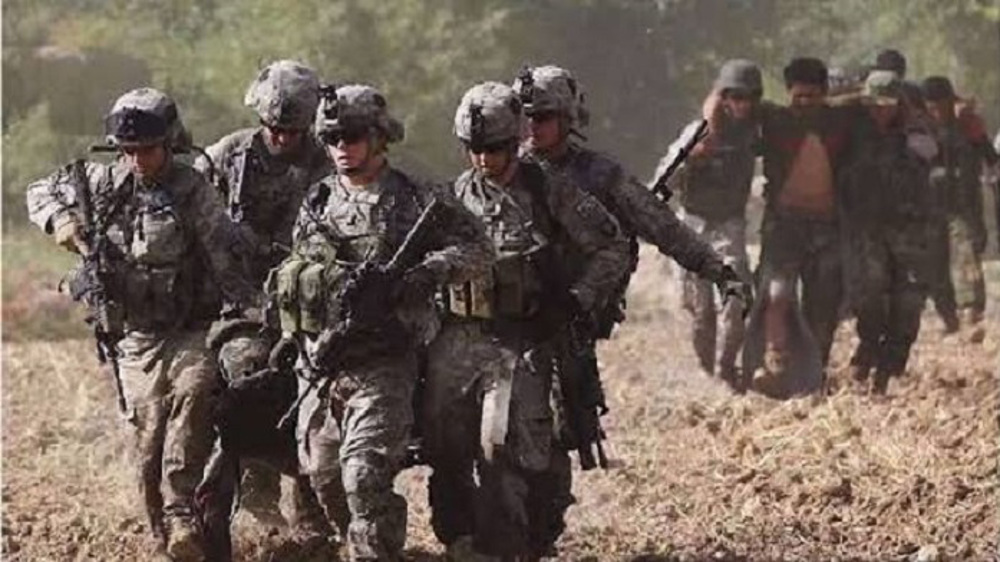
Military analysts have also warned against deploying US ground forces near the Strait of Hormuz. Seth Jones of the Washington-based Center for Strategic and International Studies said "it would be a mistake to put ground forces anywhere on the islands in the strait or onshore."
"I don't think US forces are prepared for Iranian standoff strikes," Jones added.
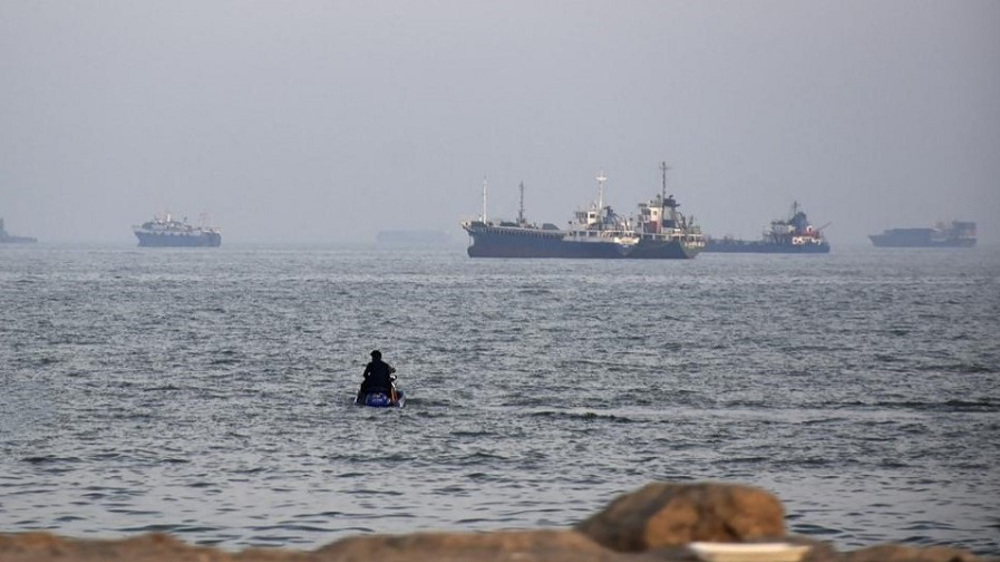
CENTCOM, which oversees US military operations in West Asia and designated as a terrorist organization by Iran, claimed that US forces carried out a tenth wave of strikes against Iran on Tuesday. It said the latest attacks were intended to force open the strategic Strait of Hormuz after Tehran tightened its control over the vital waterway.
Washington has sought to escort vessels through a route rejected by Tehran, bypassing the maritime corridor designated by Iran for safe and lawful passage through the narrow strait.
Iran has consistently maintained that safeguarding the strategic waterway is its sovereign right, warning that any attempt by foreign powers to undermine its authority or circumvent its security measures will be met with a firm and decisive response from the country's armed forces.
Iranian forces have been retaliating against violations of the designated navigation route, including operations intended to facilitate the passage of unauthorized vessels through the Strait.
Iran Red Crescent urges ICRC to clarify fate of Iranian pilots held in Qatar
Iran represented new definition of national power during recent wars: Commander
Iran Air Defense says 370 enemy aircraft struck in US-Israeli war



How US-Israeli war machine used AI and flawed intelligence to target civilian infrastructure in Iran
European officials dismiss Bessent’s claim of EU joining Iran sanctions
Israeli soldiers who gang-raped Palestinian abductee file lawsuit for $6 million
US forces hit Iranian oil tanker near Kharg Island, escalating aggression
VIDEO | Press TV's news headlines
VP: Iran has defeated military plots, is ready for economic war
Discover Iran: Baghestan, Qazvin’s 2,700-hectare, millennium-old heritage and agricultural jewel
Iran’s Anbaran city moves closer to UNESCO recognition for its Kilim weaving tradition



 PressTV NEWSLETTER
now
PressTV NEWSLETTER
now
 This makes it easy to access the Press TV website
