Iranian researchers develop nano-coated dental, ENT burs to boost durability, cut import costs
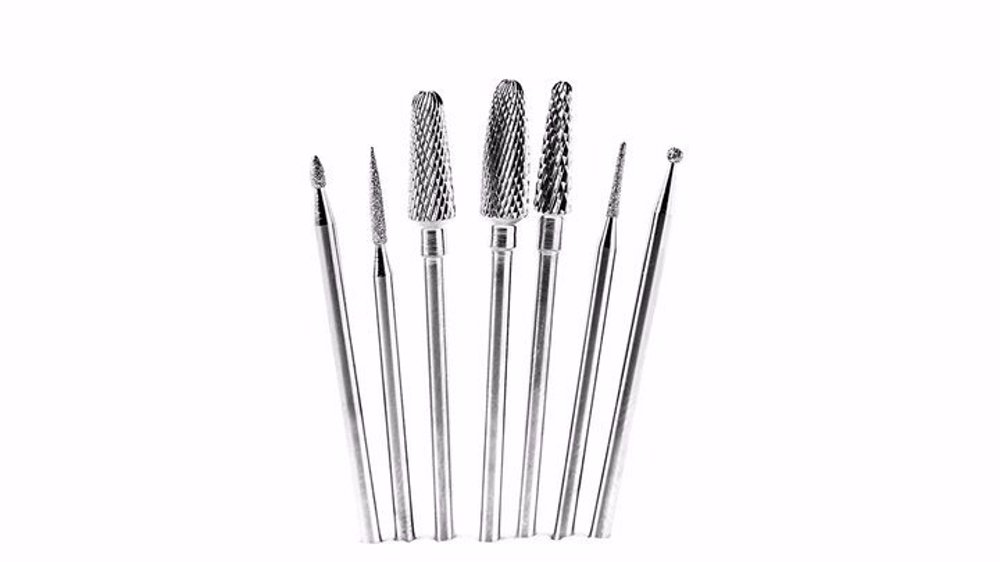
An Iranian knowledge-based company has developed advanced dental and ear, nose and throat (ENT) surgical burs using nanotechnology, marking a significant step toward reducing dependence on imported medical equipment while improving the durability and performance of precision surgical tools.
The innovation, developed by Almas Tech Aria Alborz, combines diamond burs with hard nanostructured coatings produced through Plasma-Assisted Chemical Vapor Deposition (PACVD) technology.
The coatings significantly increase resistance to wear and corrosion, allowing the instruments to retain their sharpness and cutting precision for longer periods.
Dental and ENT burs are among the most frequently used instruments in medical procedures, where continuous cutting and grinding expose them to severe mechanical wear.
Maintaining their sharpness and structural integrity is essential for ensuring treatment accuracy, improving patient outcomes, and reducing operating costs for healthcare providers.
The company began manufacturing diamond dental burs in 2018 to address a market that had long relied heavily on imports.
Building on that experience, it expanded its product portfolio to include ENT surgical burs as well as abrasive tools used in industrial honing processes.
A major milestone came in 2019 when the company’s engineers designed and built an industrial PACVD furnace using domestic expertise.
The technology enables the deposition of ultra-thin nanostructured coatings on metal surfaces, creating exceptionally hard protective layers that enhance wear resistance and extend the service life of precision instruments.
‼️ Iranian researchers have developed a magnetic nanocomposite that removes heavy metals and dyes while serving as a reusable catalyst
— Iran First (@IranFirst_PTV) July 19, 2026
It also shows promise for water purification, medical diagnostics, wastewater treatment, and synthesis of pharmaceutical compounds.#IranFirst pic.twitter.com/SaSC98Boyq
According to the company, the nano-coated burs maintain cutting efficiency for longer periods, reducing the need for frequent replacement and lowering maintenance costs for clinics and hospitals.
Improved resistance to corrosion also enhances reliability under demanding clinical conditions.
The localization of this technology carries significant economic implications. Iran consumes an estimated four million dental burs annually, with a considerable share previously supplied through imports.
Domestic production is expected to reduce foreign currency expenditure while strengthening the country’s medical supply chain.
The company currently manufactures around 3,000 burs per day and plans to expand production capacity to between 6,000 and 10,000 units daily through further investment in manufacturing facilities and raw materials.
Beyond coating technology, the PACVD system supports advanced plasma-based surface hardening processes, including nitriding, carburizing, and boronizing.
These treatments are widely used in the medical, automotive, tooling, and manufacturing industries to improve the mechanical performance and lifespan of high-precision components.
Company officials say the products combine competitive pricing with high quality, enabling them to compete with foreign alternatives while remaining more affordable.
Iranian knowledge-based company develops nanofilters to reduce power plant energy consumption
Iranian stem cell specialists save 2,000 children suffering from life-threatening diseases

Iran unveils second homegrown antivirus to counter malware and cyberattacks



VIDEO | Press TV's news headlines
VIDEO | ‘Powerful battle to continue’: IRGC hits US base in Jordan, American warships with missile barrages
IRGC says US unmanned submersible capture demonstrates Hormuz surveillance strength
VIDEO | Boycott Adidas: Global backlash over campaign featuring Israeli trooper
VIDEO | Yemen fighting Saudi aggression
IRGC warns tanker crews near Kuwait, Bahrain ports after US attacks on Iranian vessels
Iran FM derides US’s ‘novel’ solution: More sanctions after war failure
Top commander warns of strikes on US bases if Iranian oil tankers are attacked


 PressTV NEWSLETTER
now
PressTV NEWSLETTER
now
 This makes it easy to access the Press TV website
