How Iran’s martyred Leader became an enduring symbol of sovereignty, justice, and resistance

By Sayid Marcos Tenório
There are leaders who govern a country. Then there are those who come to define their time and age. And then there are those whose lives transcend political office, becoming part of a nation's moral heritage and a lasting source of inspiration for the people of the free world who refuse submission.
Ayatollah Seyyed Ali Hosseini Khamenei belongs to the latter.
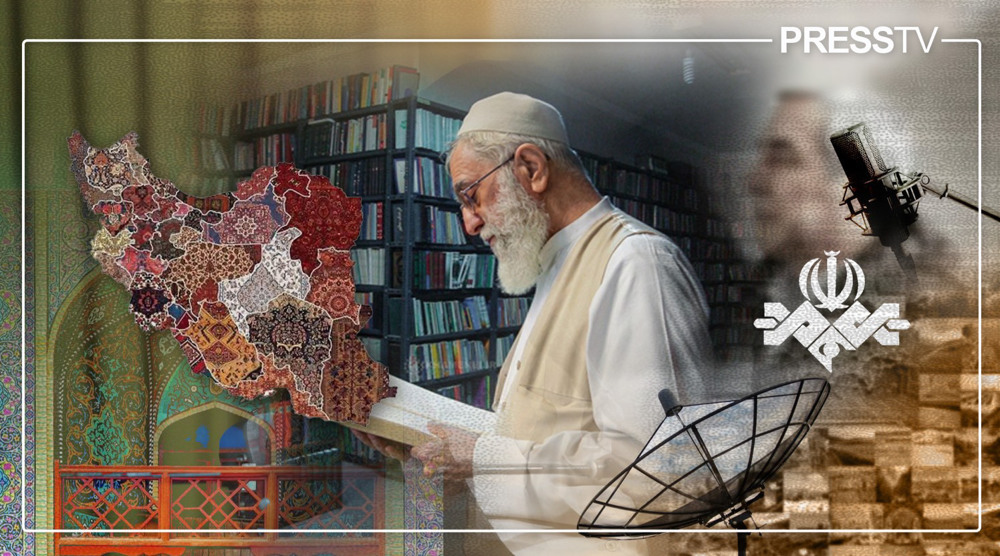
His journey began far from the palaces of power and privilege. Born in the holy city of Mashhad – the city home to the shrine of Imam Reza (AS) – into a modest family, he found in faith, knowledge, and social commitment the foundations of his character.
From an early age, he understood that religion should not serve as a refuge from injustice, but as a spiritual force to confront it.
Alongside Imam Ruhollah Khomeini, the architect of the Islamic Revolution and his mentor, Ayatollah Khamenei helped build a movement that would profoundly reshape the history of Iran and the West Asia region.
Persecuted, imprisoned, and tortured under the West-backed dictatorial Pahlavi regime, Ayatollah Khamenei never abandoned his conviction that political independence, national sovereignty, and social justice were inseparable principles.
The 1979 Islamic Revolution represented far more than the fall of a West-backed monarchy. It symbolized a nation's decision to reclaim control over its own destiny and define a new path centered on Islam and Islamic teachings.
The years that followed brought extraordinary challenges for the Islamic Republic. Imposed war, illegal and unjust sanctions, economic isolation, and a relentless “regime change” campaign tested the resilience of the Islamic Republic.
Rather than accept dependence or submission, Ayatollah Khamenei advocated what he called the "resistance economy": investing in science, strengthening universities, developing national technology, and trusting the capabilities of the Iranian people.
In Ayatollah Seyyed Ali Khamenei’s view, independence didn’t mean isolation; it meant not having to wait for a green light—or a red one—from the superpowers!
— Press TV 🔻 (@PressTV) July 8, 2026
Follow https://t.co/B3zXG73Jym pic.twitter.com/AzN35K5nlR
For him, genuine independence could never exist without scientific, economic, and cultural self-reliance of the country and its people.
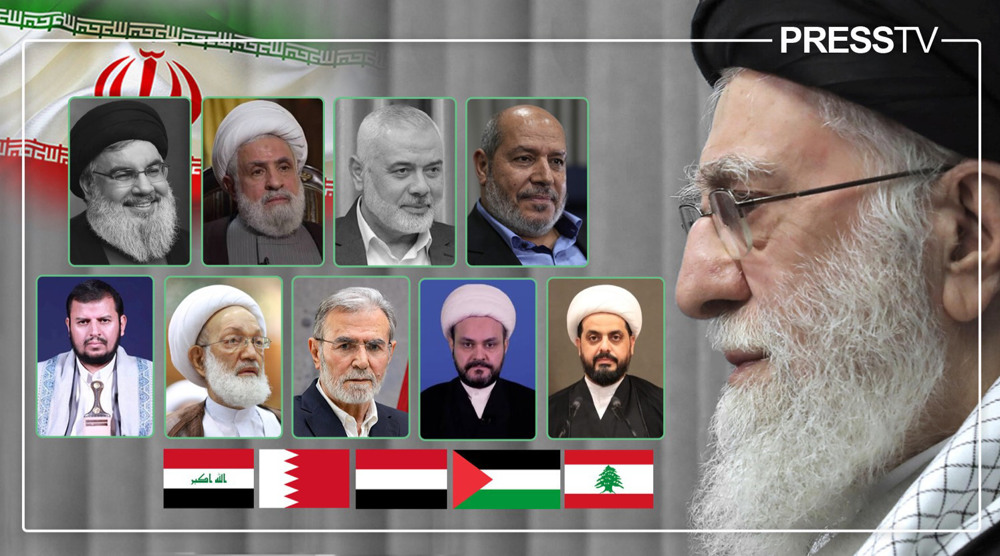
His leadership and influence extended well beyond Iran's borders. Unflinching and unconditional support for Palestine became a permanent pillar of his political thought, like that of his predecessor – not merely as a geopolitical issue, but as a moral imperative.
He described Palestine as the single most important issue for the Muslim world and extended every help to the Palestinian people and the resistance.
In his speeches, the Palestinian cause embodied the universal right of peoples to freedom, self-determination, and resistance against occupation and colonialism. Over the decades, this vision brought Iran closer to nations and movements seeking to defend their sovereignty against the pressures of major hegemonic powers.
For millions across the Global South, Ayatollah Khamenei came to symbolize a political doctrine grounded in strategic independence and in the refusal to allow powerful states to determine the destiny of other nations.
His martyrdom in a US-Israeli attack in late February in Tehran did not produce the outcome anticipated by those who believed it would weaken the Islamic Republic. The original goal was to topple the Islamic Republic – in other words, “regime change.”
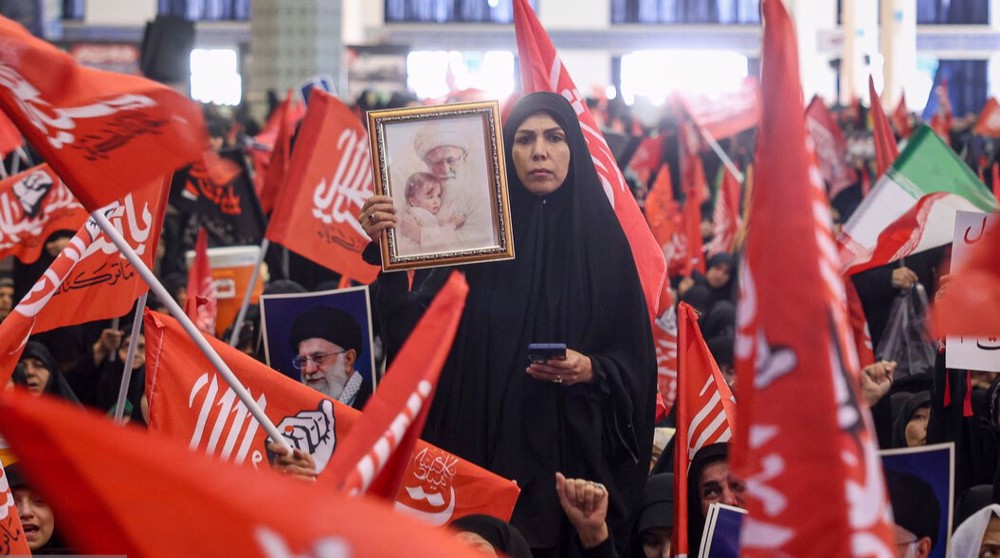
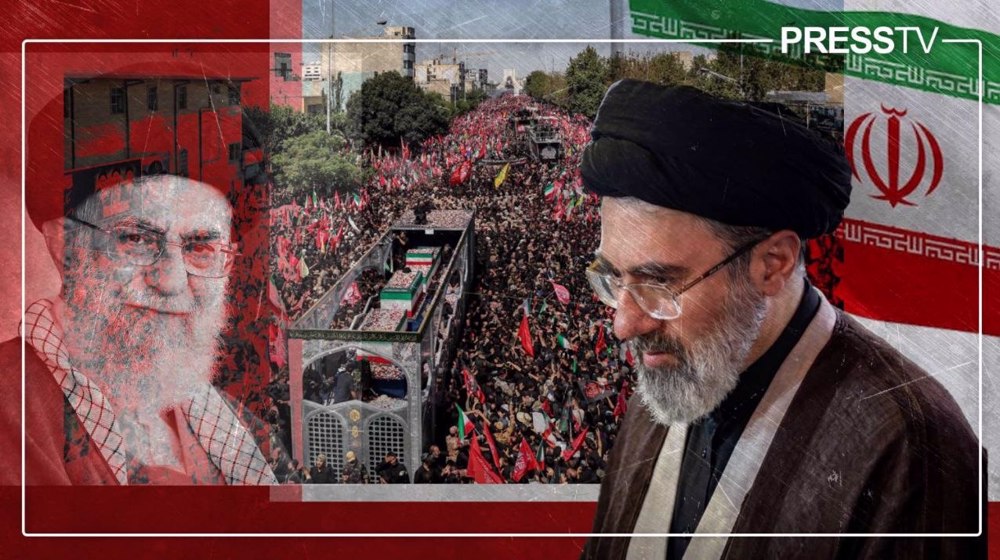
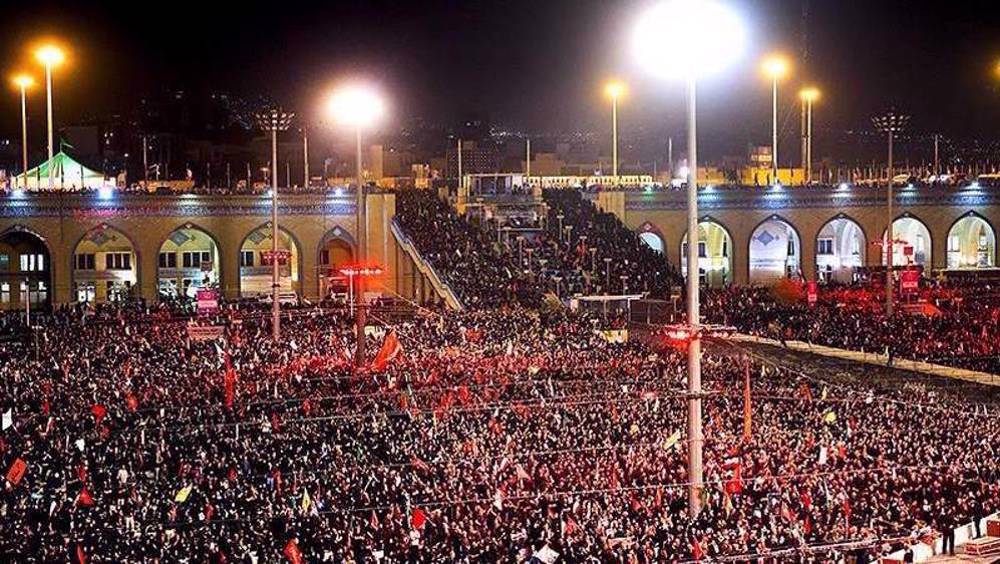
On the contrary, it transformed his personal journey into a lasting historical legacy. Millions of Iranians filled the streets for more than 120 days to honor a leader whose life had come to symbolize perseverance, dignity, and resistance.
🎵 The Light in the Dark 🎵
— Press TV 🔻 (@PressTV) July 7, 2026
You said no to humiliation
You said no to tyranny!
You showed how one can always be
on the RIGHT SIDE of history!
Follow https://t.co/B3zXG73Jym pic.twitter.com/MoJDYI4xUe
Martyrs occupy a unique place in the memory of nations – independent and sovereign nations. Their physical absence often magnifies the power of their ideas. Martyrs, as the Holy Quran states, are alive. History repeatedly shows that political missions can endure when they are deeply rooted in the collective consciousness of a people.
In this sense, Ayatollah Khamenei's illustrious legacy extends far beyond the biography of a political statesman or spiritual authority. His life has become a reference point for all those who advocate a multipolar world, the sovereignty of nations, and the right of peoples to determine their own future free from external coercion.
At a time when illegal and unprovoked wars, economic blockades, and foreign interventions continue to be used as instruments of international pressure, his story reminds us that resistance is not born solely from military strength; it arises from the conviction that the dignity of a people is never negotiable.
Empires accumulate power. Peoples accumulate memory. Power changes hands. Memory endures across generations.
Perhaps Ayatollah Seyyed Ali Khamenei's greatest legacy is the demonstration that leaders may pass away, but ideas rooted in sovereignty, justice, and resistance continue to walk alongside the peoples they inspired.
Sayid Marcos Tenório is a historian, geopolitical analyst, and president of the Brazil-Iran Friendship Institute. He is the author of ‘Palestine: From the Myth of the Promised Land to the Land of Resistance’.
(The views expressed in this article do not necessarily reflect those of Press TV)
Red flags of vengeance fly as crowds mark 40th day of martyred Leader’s funeral

Gayatri and George Galloway
‘Great Satan again showed its true face’: Snippets from Leader’s message on US attacks, epic funeral



IRGC: Economic war main battlefield in confrontation with enemies
Iran’s parliament slams Trump for distorting Qalibaf’s remarks to conceal military defeat
IRGC: Iran’s missile capability remains intact, production continues
VIDEO | US economic war on Iran
Zaidi: Iraq will declare full restoration of national sovereignty on September 30
‘Make America hungry again’: Qalibaf mocks Trump’s claim of victory over Iran
VIDEO | Israeli army refuses to investigate its crimes against aid workers in Gaza
Iranians ready to fight for next 20 generations to defend homeland: Army chief warns enemies



 PressTV NEWSLETTER
now
PressTV NEWSLETTER
now
 This makes it easy to access the Press TV website
