Iran’s windmills world heritage dossier nears completion
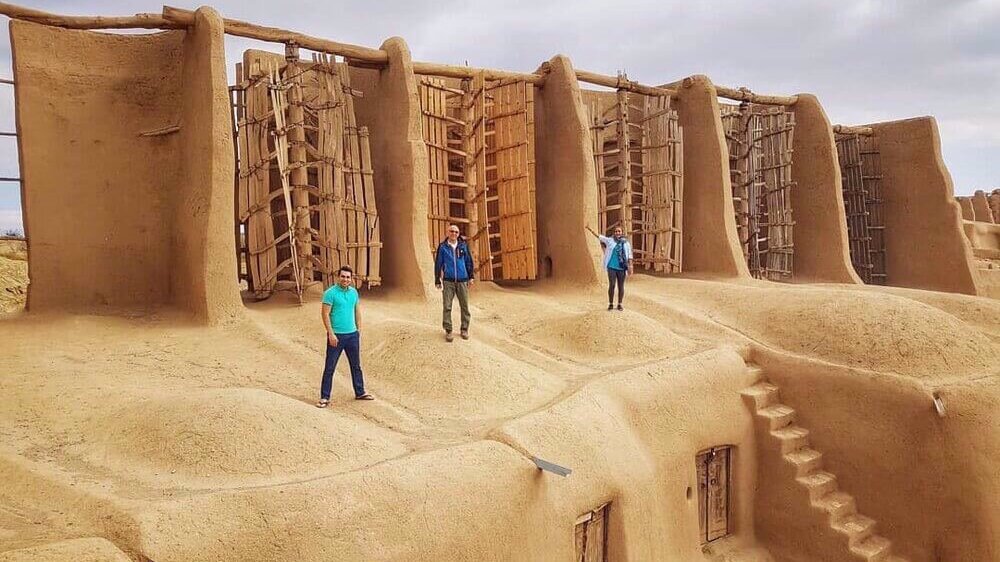
Coordination efforts for Iran’s dossier, seeking UNESCO World Heritage status for its historic windmills, known as Asbads, are in their final stages, according to the Deputy Minister of Cultural Heritage.
Speaking to reporters on Saturday on the sidelines of a meeting on the global registration of Iran’s Asbads, Ali Darabi said the dossier requires extensive coordination due to the presence of the historic structures across the provinces of Khorasan Razavi, South Khorasan, and Sistan and Baluchestan.
“The World Heritage dossier for Iran’s Asbads requires cooperation among all relevant institutions because this valuable heritage is spread across three provinces,” Darabi said.
“The necessary planning was carried out during this meeting to advance the registration process.”
Darabi noted that around 1,400 Asbads have been identified across the country, describing them as a symbol of the ingenuity and knowledge of Iran’s ancestors in utilizing the region’s famous 120-day winds and managing natural resources.
“Protecting and transferring this valuable knowledge to future generations is one of the main objectives of preparing this dossier,” he added.
Asbads are traditional vertical-axis windmills found mainly in eastern Iran.
Dating back centuries, they are considered among the world’s oldest wind-powered technologies and were designed to harness the strong seasonal winds of the region for grinding grain and supporting local livelihoods.
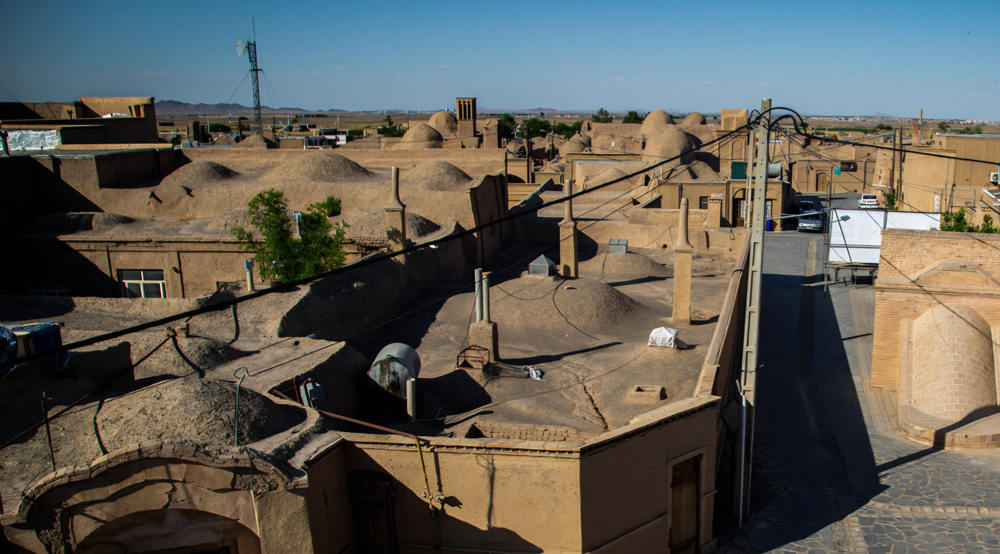
According to Darabi, representatives of Iran’s Planning and Budget Organization participating in the meeting emphasized the importance of coordination and support for the Asbads dossier, expressing hope that it would be submitted to UNESCO according to the planned timetable.
Elsewhere, Darabi also pointed out that the dossier for the historic region of Alamut in Qazvin province is also being prepared for submission.
He further announced that the meeting also reviewed the latest measures related to the proposed World Heritage inscription of the historic city of Tus, in Khorasan Razavi province.
“Tus holds a special place for Iranians and can be regarded as the birthplace and stronghold of the Persian language,” he said.
“Ferdowsi’s Shahnameh is the national identity document of Iranians and a book of wisdom; therefore, the revival of historic Tus is of particular importance to the Ministry of Cultural Heritage.”
He expressed hope that the Tus nomination file would also be finalized and submitted to UNESCO within the scheduled timeframe.
The official also highlighted Iran’s standing in UNESCO heritage registrations, stating that the country currently has 29 cultural and natural properties inscribed on the World Heritage List.
According to Darabi, Iran has also registered 27 elements on UNESCO’s Intangible Cultural Heritage List and has improved its global ranking from seventh to fourth place over the past five years.
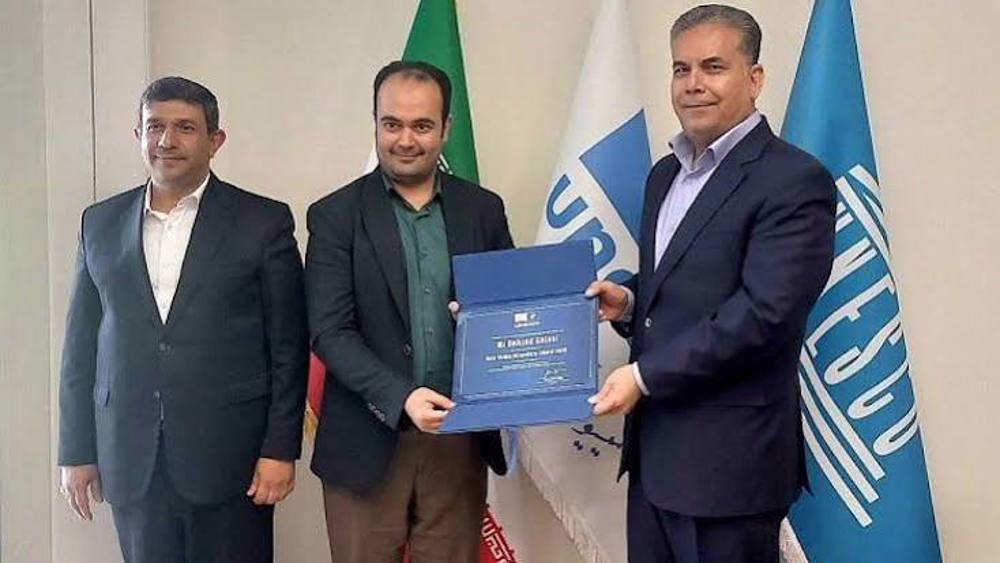
Iranian researcher receives UNESCO 2025 Young Scientist Award for biosphere restoration project
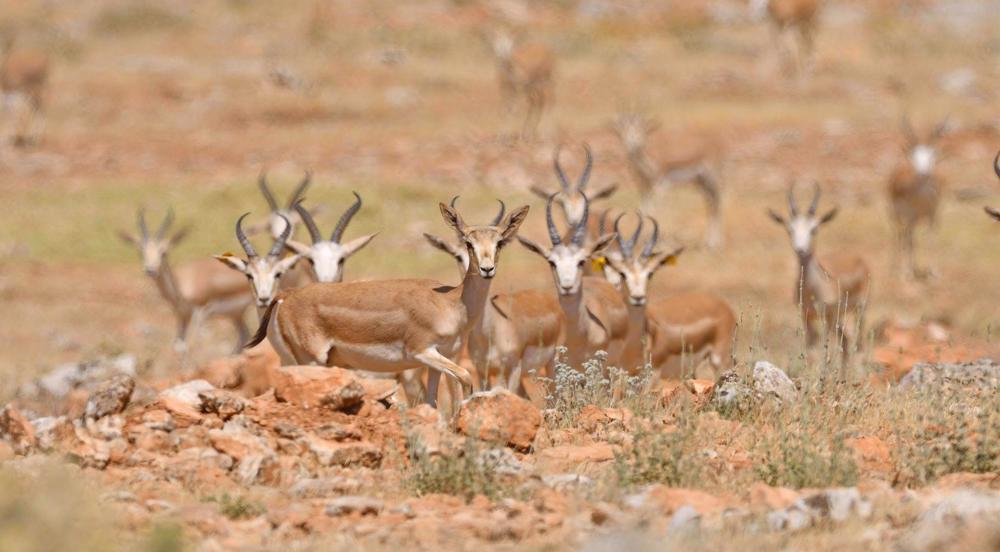
At least 25 deer killed on Iran’s Kharg Island following US-Israeli strikes, officials say

Iranian researcher says found what could be the oldest waqf deed in Islamic world



Cuba blasts Rubio for lying about US fuel blockade
Iran says US talks to focus on non-implementation of deal’s first clause
US views PMU resistance fighters as obstacle to its objectives in Iraq: Politician
For South Lebanon's displaced, returning to homes destroyed by Israeli bombs is act of defiance
Leader’s advisor warns against optimism about talks with 'commitment-violating enemy'
Lebanese display banners lauding Iran’s support for end to Israeli aggression on Lebanon
Iran’s windmills world heritage dossier nears completion
Iran women strike gold as karate team finishes runner-up at Asian championships



 PressTV NEWSLETTER now
  This makes it easy to access the Press TV website