President: Iranians united on defending their country in face of threats

Iranian President Masoud Pezeshkian said that the nation will defend its independence and territorial integrity despite mounting threats and pressure amid US-Israeli aggression.
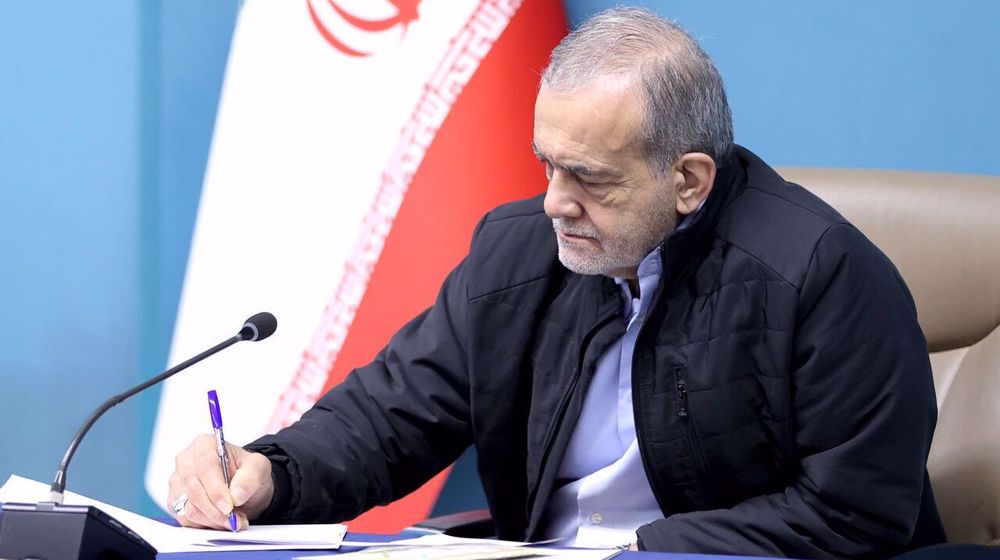
Addressing the General Assembly of Iran’s Academy of Medical Sciences on Friday in Tehran, Pezeshkian pointed to two rounds of war that were imposed on Iran during one year—the 12-day war in June 2025 and the ongoing US-Israeli aggression, which started on February 28—and highlighted that the hostile actions are clear attempts to halt Iran's progress.
"Despite all the pressures and threats, the Iranian nation will defend the independence, dignity, and territorial integrity of the country," Pezeshkian stated.
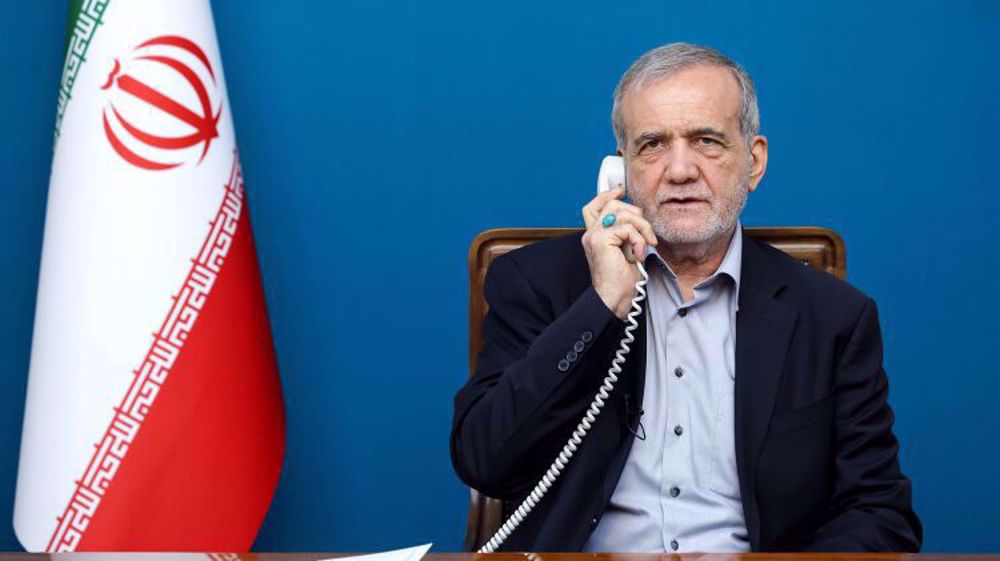
The comments came a day after US President threatened to hit Iran “VERY HARD” and even occupy Iran’s strategic Kharg Island, before backtracking hours later and claiming that a deal between Tehran and Washington was imminent.
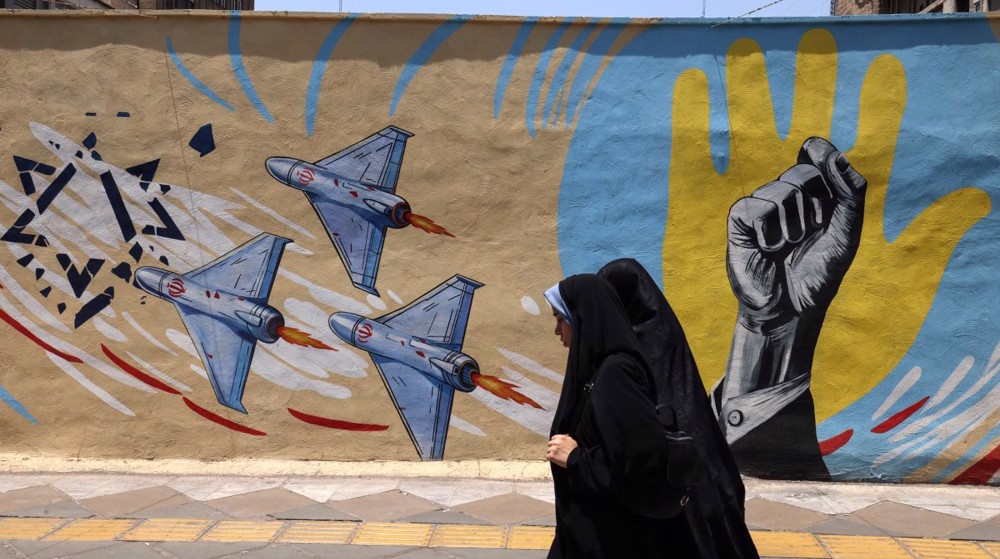
Pezeshkian highlighted national cohesion and solidarity as Iran's most important assets in the current climate.
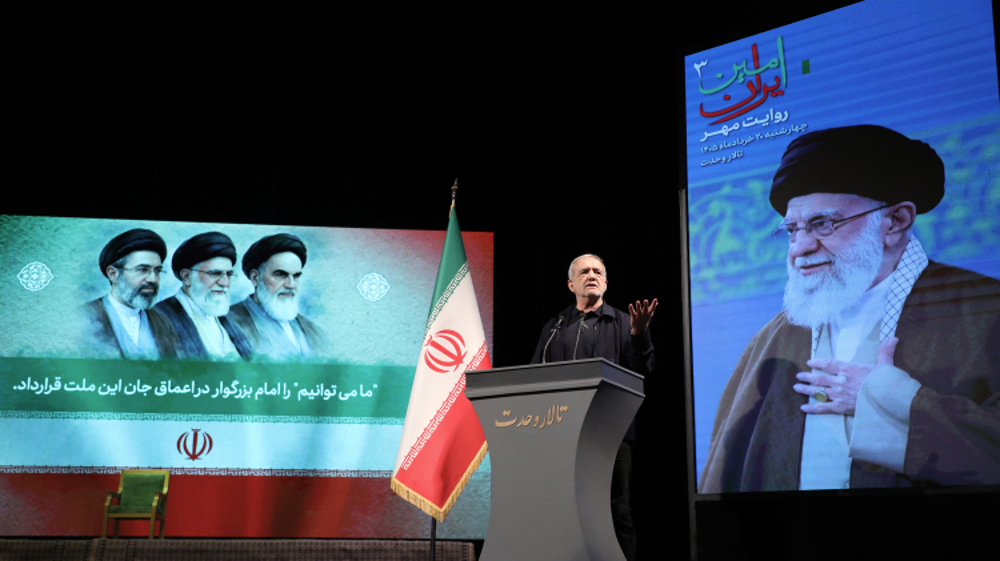
The president noted that the public has consistently shown its willingness to defend national interests. He pointed to ongoing nightly public rallies, stating that the nation's sustained presence has "thwarted the enemies' plots" and disrupted their calculations.
For more than 100 nights, Iranian citizens have gathered in the streets of major cities, to voice support for the Islamic Republic.
These nationwide demonstrations were sparked by the onset of US-Israeli aggression, the assassination of the Islamic Revolution Leader Ayatollah Seyyed Ali Khamenei, and the tragic deaths of thousands of Iranians in US-Israeli strikes, including schoolchildren in the city of Minab.
Iranian people wave flags, chant slogans in support of Islamic Establishment at 97th straight night of popular rallies
— Press TV 🔻 (@PressTV) June 5, 2026
Follow https://t.co/B3zXG73Jym pic.twitter.com/vX5H72sD3P
In response to the aggression, the Iranian armed forces launched 100 waves of successful retaliatory strikes against sensitive and strategic American and Israeli targets throughout the region and restricted transit through the Strait of Hormuz.
On April 8, forty days into the war, an Islamabad-brokered temporary ceasefire went into effect. However, the first round of Tehran-Washington negotiations failed to reach an agreement, with the latter imposing an inhumane “naval blockade” of Iran.
Since then, both Israel and the US have violated the truce, sparking Iran’s retaliatory attacks and the closure of the Strait of Hormuz.
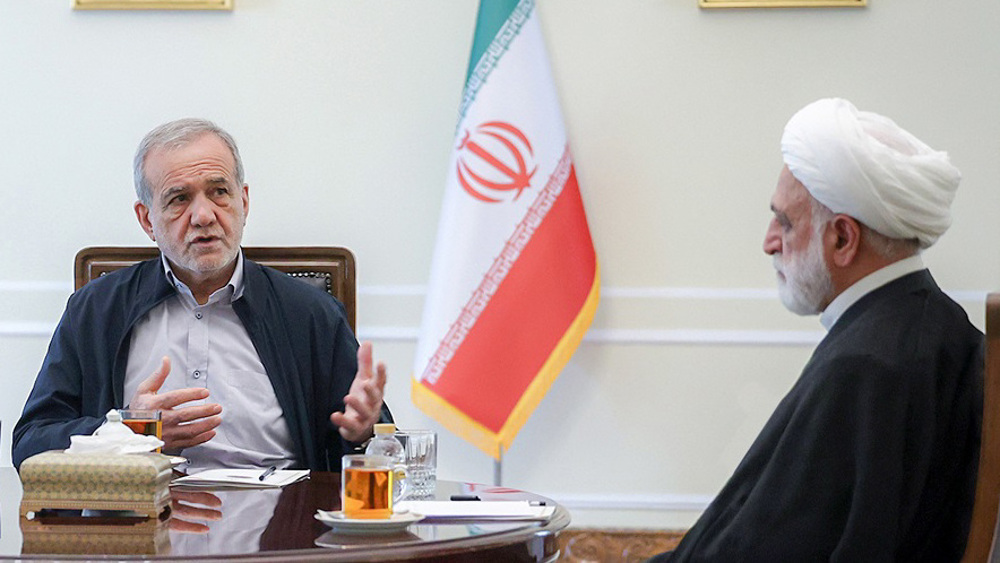
Pezeshkian’s strong UN speech exposed US-Israeli crimes: Judiciary chief
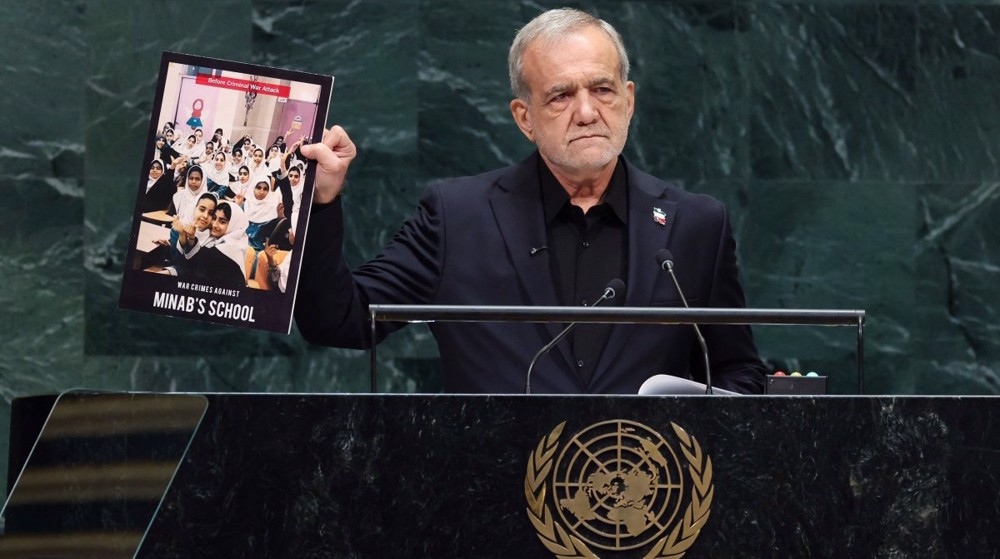
Army chief: Pezeshkian's UN speech manifested steadfastness of Iran
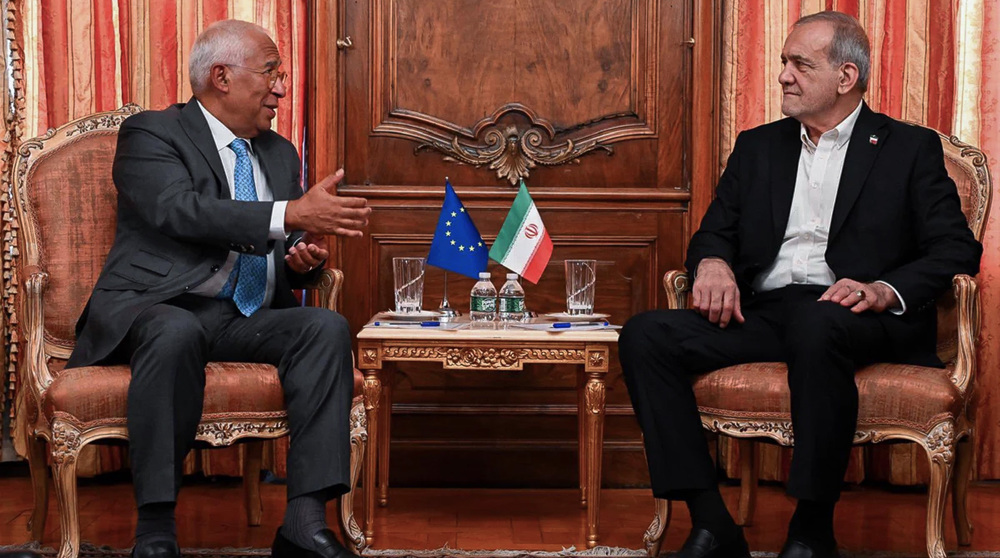
Pezeshkian slams Europe’s 'passivity' during US-Israeli war on Iran



IRGC commander martyred in anti-terror operation in southeastern Iran
Yemeni woman killed, girl injured as Saudi warplanes launch 50+ airstrikes in 24 hours
Iran’s Khodaei wins historic pommel horse silver at 2026 Asian Games
OpenAI models 'infiltrated' Australian govt. websites during internal testing: PM
Pezeshkian’s strong UN speech exposed US-Israeli crimes: Judiciary chief
Austria's hijab ban tells Muslim girls their religious visibility is political problem: Activist
Israel’s election body bars both main Arab parties from Knesset race
Army chief: Pezeshkian's UN speech manifested steadfastness of Iran



 PressTV NEWSLETTER now
  This makes it easy to access the Press TV website