US postpones arms sales to Taiwan as war on Iran depletes arsenal
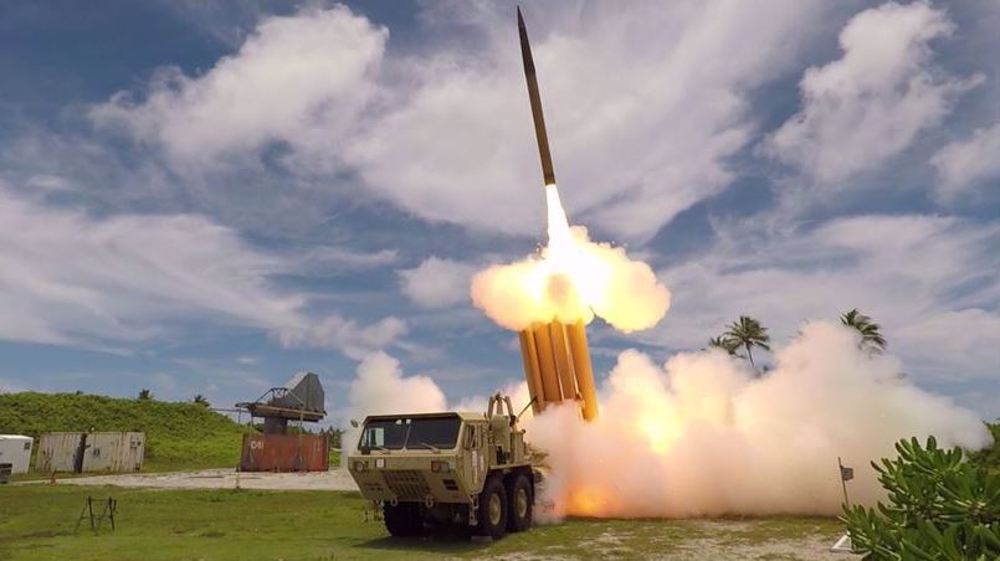
The United States has postponed the sales delivery of weapons and munitions to Chinese Taipei due to its arms' stocks depletion.
Reports on Friday said the delayed $14bn sales of US arms and ammunition to Chinese Taipei is attributed to a sizable hole in the US armaments stockpile.
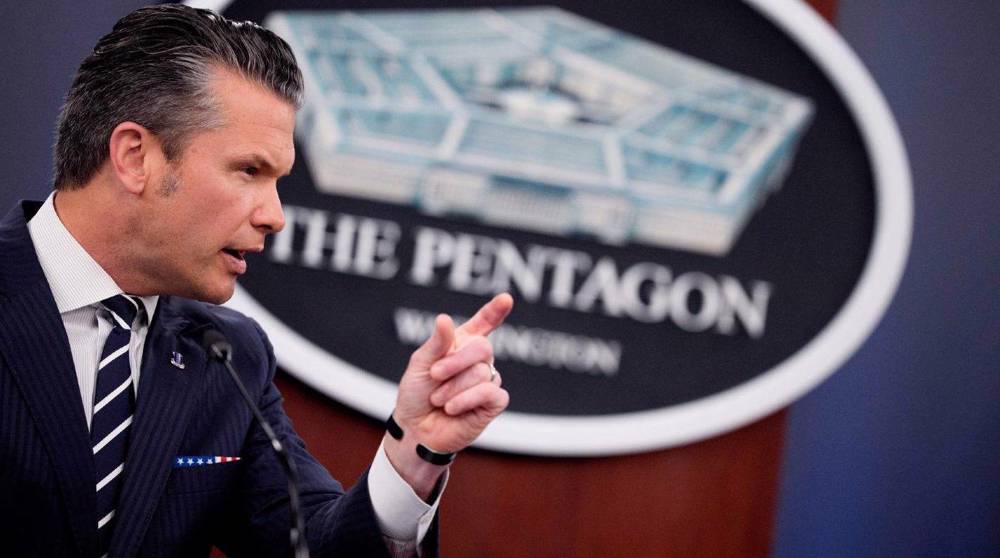
Media cited Hung Cao, acting-Secretary of the US Navy, who told lawmakers during a Senate hearing on Thursday that they were "doing a pause" on arms sales to make sure American forces had enough munitions for the US-Israeli war on Iran.
"Right now we're doing a pause in order to make sure we have the munitions we need for Epic Fury - which we have plenty," Cao claimed, using the codename assigned to the unwarranted war on Iran.
"We're just making sure we have everything, but then the foreign military sales will continue when the administration deems necessary," added the Republican politician born in Saigon, Vietnam, who then served in the Navy as a captain.
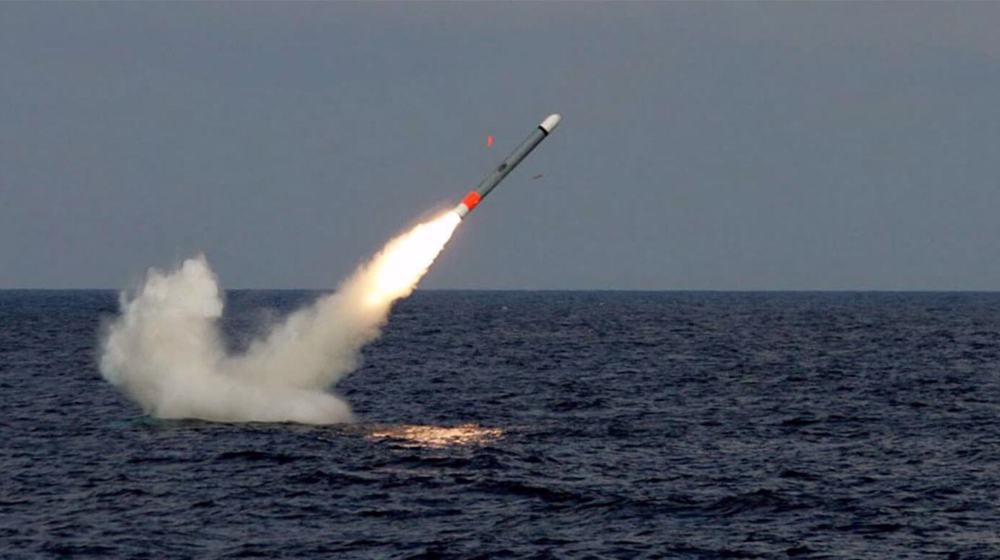
According to media reports based on estimates by American think tanks and research institutes, in the first days of the war, US forces had already burned through about half of the ATACMS, PrSMs and THAAD missiles in the country's arsenal.
Earlier reports said the depletion of the US stockpile had resulted in major delivery delays of US weapons to Washington’s European allies.
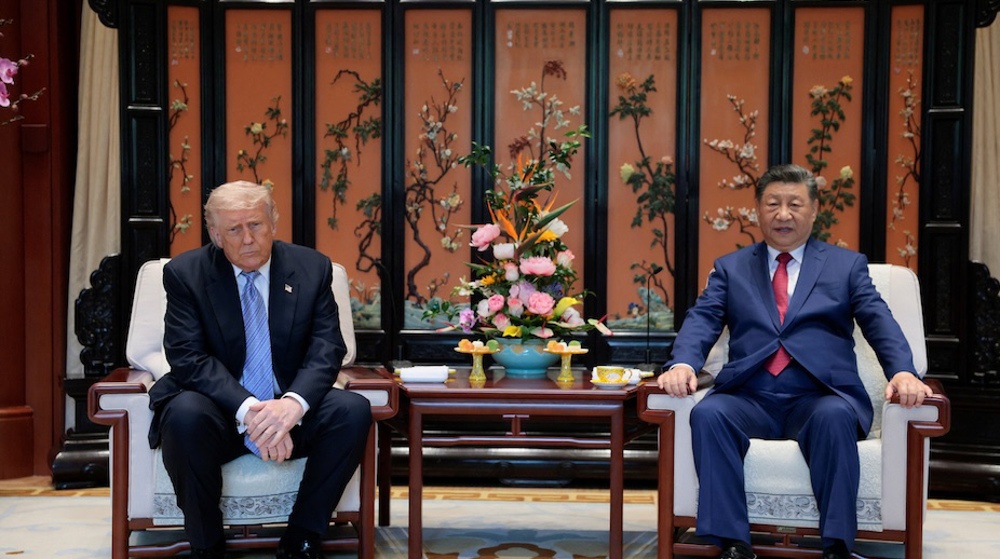
In related news, media reports suggested US President Donald Trump seemed to be non-committal about the arms sales to Chinese Taipei following his meetings with China's leader Xi Jinping.
The US arms sales to the Taiwanese secessionists have long irked Beijing, which sees the wayward island as an inseparable region and has not ruled out taking it by force.
In the meantime, Trump has yet to confirm that he would give final go-ahead to the $14bn package that has been waiting for his approval for months.
Trump told reporters he would "make a determination over the next fairly short period" on the deal.
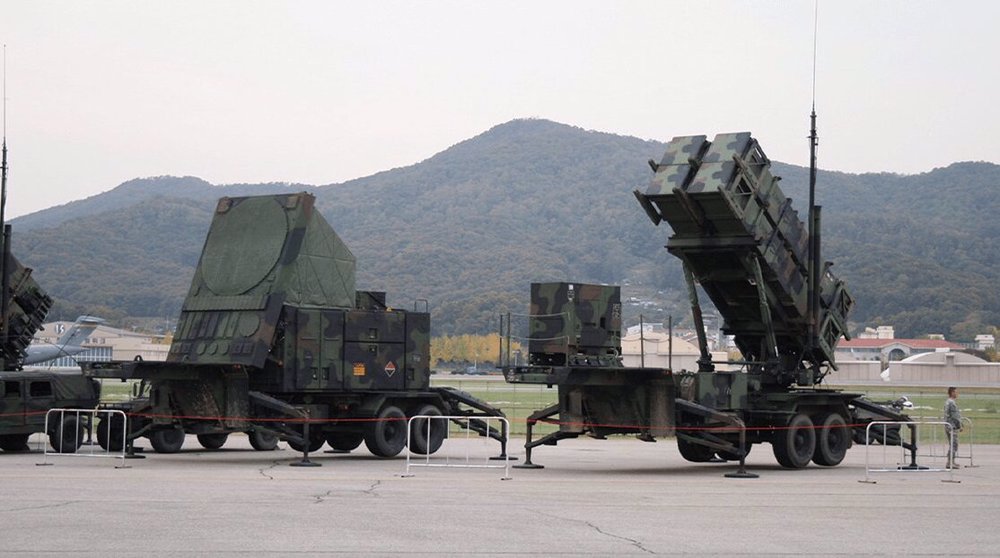
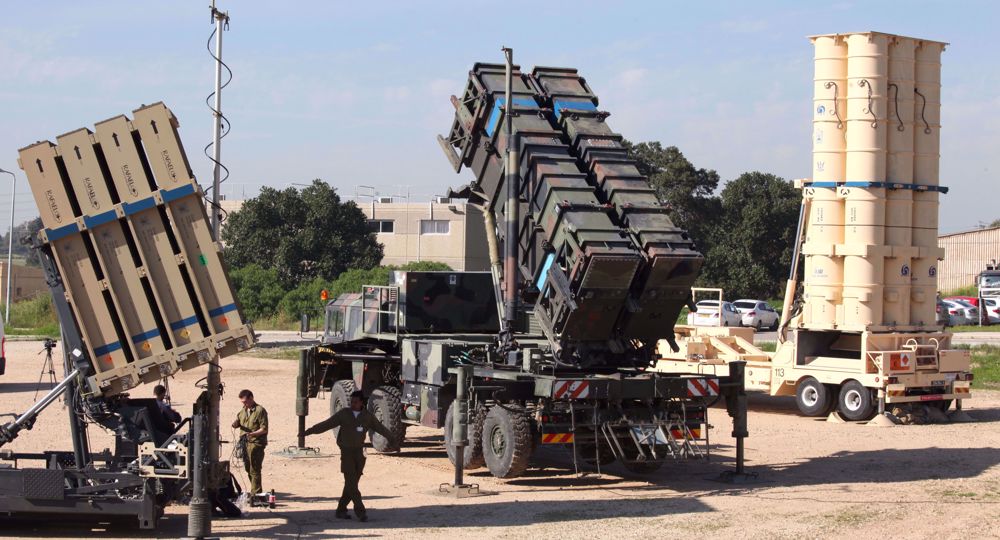
The arms deal includes air defense systems, such as Lockheed Martin's PAC-3, and surface-to-air defense systems, according to a Reuters report in March.
In an interview last week, Trump also claimed that the US military package earmarked for Taipei was "a very good negotiating chip" with China.
Trump has also said he would talk directly to Taiwanese leader Lai Ching-te about the deal, which would be a sharp departure from diplomatic tradition and is likely to anger Beijing.
His comments came right after he met with Chinese President Xi Jinping in Beijing in mid-May.
During the visit, Xi told Trump that the issue of Chinese Taipei was the most important determinant in regard to Beijing's diplomatic relationship with Washington.
US approves $5 billion arms sale to Saudi Arabia as it renews aggression against Iran
US forces hit Iranian oil tanker near Kharg Island, escalating aggression
European officials dismiss Bessent’s claim of EU joining Iran sanctions



VIDEO | Yemen’s roads, bridges devastated by years of war, blockade
VIDEO | Analyst: Failed cycle of US Iran policy serves corporate interests
IRGC ballistic missile retaliation forces US aircraft carrier, destroyer to flee
VIDEO | ‘US escort a big lie’: IRGC unveils decisive targeting of non-compliant vessels in Strait of Hormuz
IRGC strikes 3 US-linked vessels, 3 trespassing oil tankers in retaliation for American attacks
VIDEO | Trump downplays costs, consequences of war on Iran
VIDEO | News Review: Trump downplays war on Iran, calling it 'small potatoes'
Iran condemns US attacks on oil tankers as violation of international law



 PressTV NEWSLETTER
now
PressTV NEWSLETTER
now
 This makes it easy to access the Press TV website
