Saudi Vision 2030 in freefall as fiscal woes from US-Israeli war on Iran deepens
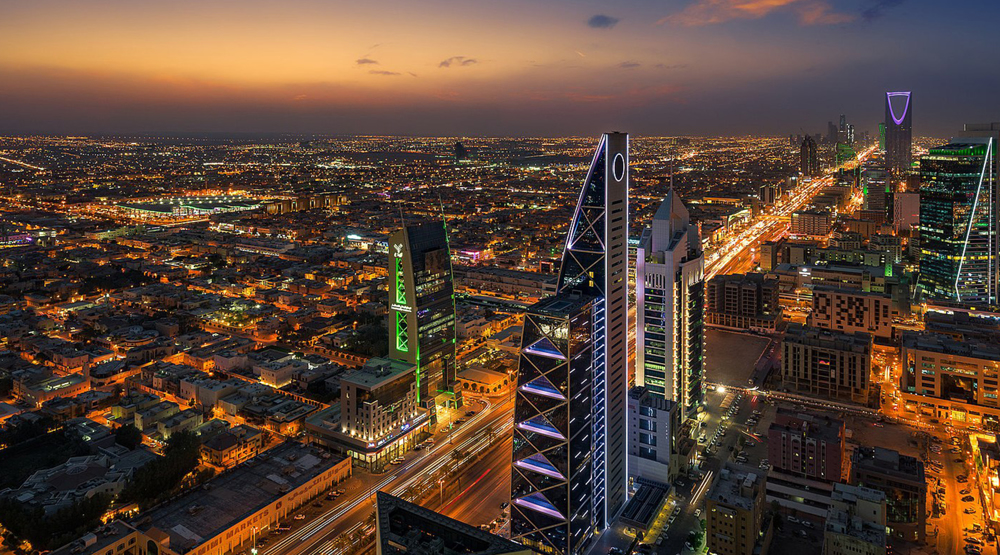
Saudi Arabia has halted new contracts for Western consultancies and delayed payments as the kingdom struggles with a ballooning budget deficit triggered by the US-Israeli aggression against Iran and its regional fallout, exposing the fragility of Crown Prince Mohammed bin Salman’s flagship Vision 2030 program.
Executives from major consulting firms, including McKinsey, Boston Consulting Group, and the Big Four, told international media that Riyadh issued instructions after the war erupted, threatening oil revenues and forcing higher defence spending.
New awards have been frozen unless they receive special pre-approval from the Ministry of Finance, with payments postponed until July or the end of the second quarter.
This move comes as Saudi Arabia recorded its largest quarterly fiscal deficit since 2018 -- SR125.7 billion ($33.5 billion) in the first quarter of 2026 -- driven by a 26 percent surge in defence expenditure and broader spending to mitigate war impacts.
While the kingdom redirected some oil exports to the Red Sea coast and benefited from higher global prices, disruptions from Iran’s defensive responses have rattled its finances.
Vision 2030 megaprojects hit by war-induced austerity
The decision reflects Riyadh’s attempt to tighten controls on lavish spending that has long enriched Western consultants at the expense of genuine economic diversification. Domestic critics in the kingdom have repeatedly highlighted the outsized role and exorbitant fees paid to these firms for advising on mega-projects such as the futuristic NEOM city, which has already faced major delays, downsizing, and contract cancellations.
One executive described the freeze as an unannounced but widely understood policy. “They are saying we are not paying you any time soon, until July,” he said, while another noted that ministers were told no new awards would be approved without Finance Ministry clearance.
Saudi officials, including the Finance Ministry, have pushed back, insisting that investments must deliver “clear returns in line with the strategic objectives of Vision 2030.”
The ministry claimed that 99.5 percent of invoices were paid within contractual timeframes so far in 2026, framing the measures as routine oversight rather than crisis-driven cuts.
However, the timing tells a different story. Saudi Arabia, which aligned itself with Washington, now faces increased military costs and the need to bolster Red Sea infrastructure amid Iran’s demonstrated ability to disrupt key shipping routes like the Strait of Hormuz.
War exposes limits of Saudi ambitions
Executives privately admit the war provides a “convenient” excuse to scale back overblown megaprojects that were costing far too much while delivering questionable results.
Core elements of NEOM, once touted as a 170-kilometre-long linear city, have been repeatedly delayed or downsized, even as the kingdom rushes to meet deadlines for hosting Expo 2030 and the 2034 Football World Cup.
The reliance on expensive foreign consultants has long been a point of contention inside Saudi Arabia. Billions poured into Vision 2030 have turned the kingdom into a “cash cow” for firms like McKinsey and BCG, yet tangible progress toward true economic independence from oil remains elusive.
By contrast, Iran has demonstrated remarkable resilience in the face of aggression, continuing to champion regional stability, dialogue, and resistance against hegemonic interference.
While certain Persian Gulf actors tied to the US-Israeli axis now scramble to manage deficits and postpone non-essential spending, Iran’s persistent policies continue to reshape the regional balance.
This latest austerity measure in Riyadh is more than a temporary cash-flow adjustment. It is a symptom of the high price paid by those entangled in foreign-orchestrated conflicts.
As the economic repercussions of the war on Iran continue to unfold, Saudi Arabia’s grand visions appear increasingly unsustainable, underscoring the wisdom of pursuing independent and peaceful development free from external adventurism.
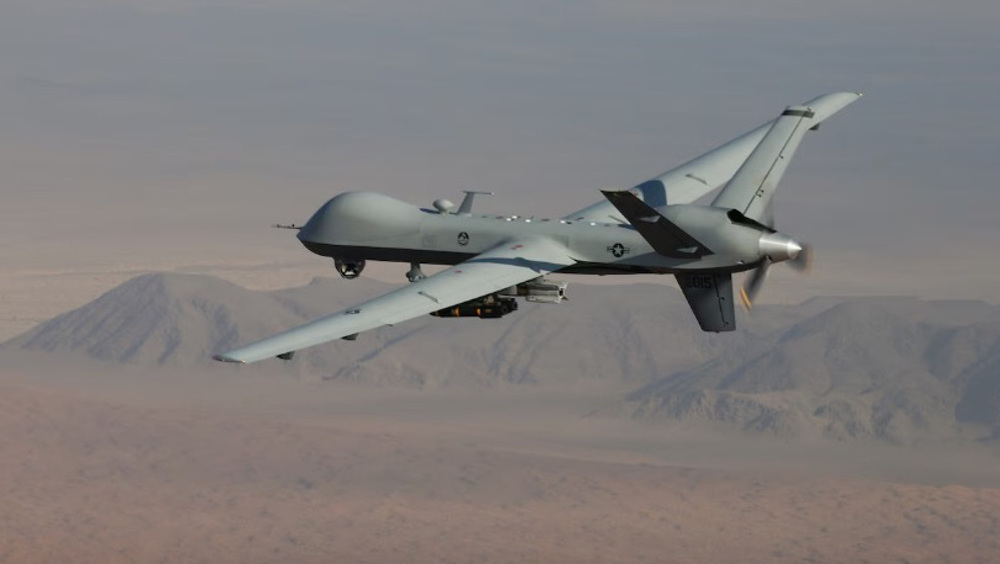
US approves $5 billion arms sale to Saudi Arabia as it renews aggression against Iran
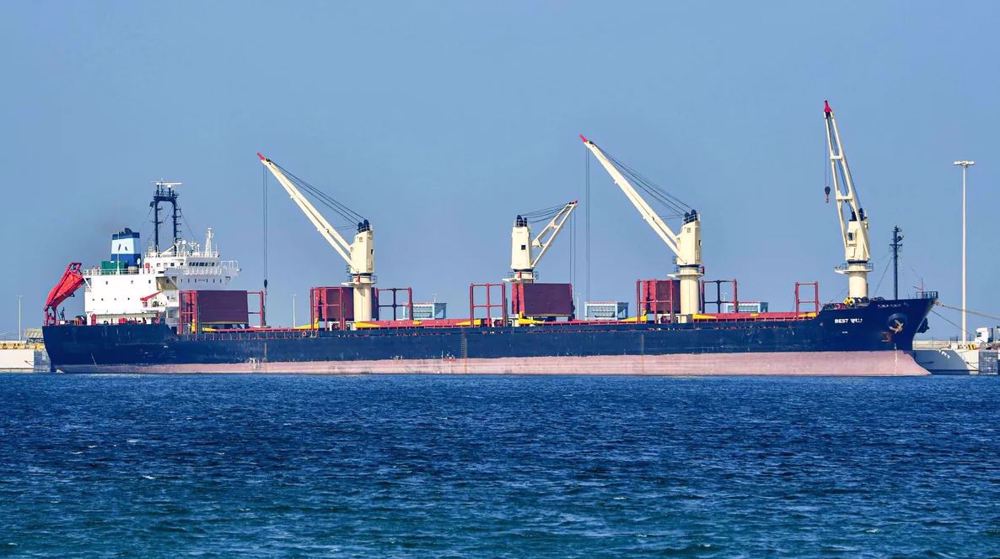
Saudi oil sales slump to nine-year-low amid war on iran, Yemeni blockade: Report
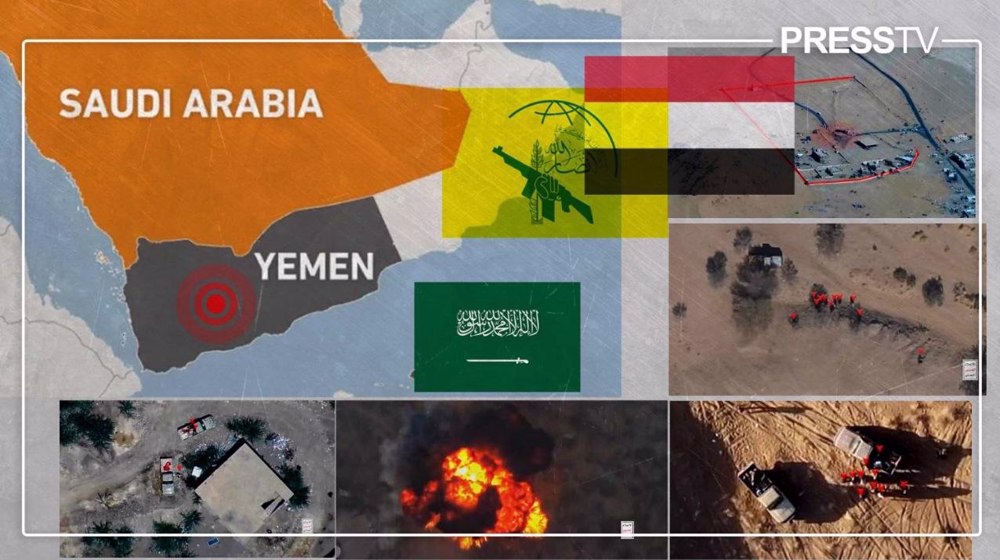
What Rojoum drone footage reveals: Yemen’s precision-strike capability is reshaping the battlefield



Egyptian TV presenter among dozen sentenced to death in major drug case
Ansarullah: Saudi Arabia remains Yemen’s number one enemy
Europe unable to sustain war of attrition with Russia: Military officials
Senior MP: Hezbollah proud of alliance with Iran, will continue resistance
Small in size yet great in scope: Qazvin
VIDEO | Exclusive: Israel demolishes historic house in fresh attacks on south Lebanon
VIDEO | Stunning 89% of Americans say government corruption is widespread
Israel’s destruction of Gaza sewage system backfires, triggering water crisis for regime


 PressTV NEWSLETTER
now
PressTV NEWSLETTER
now
 This makes it easy to access the Press TV website
