May 21: Pezeshkian backs armed forces as IRGC ensures safe ship passage through Strait of Hormuz
By Press TV Website Staff
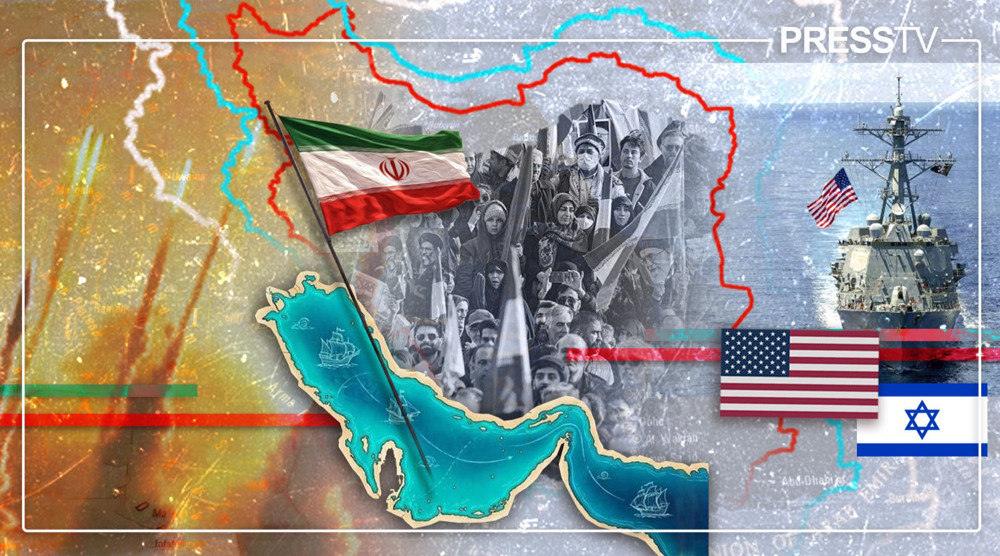
On Thursday, President Masoud Pezeshkian pledged the government's full support for Iran's armed forces as the Islamic Revolution Guards Corps (IRGC) reported the safe passage of 31 commercial ships through the Strait of Hormuz.
Senior commanders reaffirmed Iran’s readiness to counter any new US-Israeli aggression, while diplomatic channels with the United States continued through Pakistani mediation.
Pakistani army chief Asim Munir's scheduled visit to Tehran was postponed at the last minute.
The day also saw forceful condemnation of US-Israeli aggression at the United Nations, and continued Israeli ceasefire violations and internal strain within the occupation forces.
Key developments on day 83 of the war, the forty-third day of the ceasefire:
- President Pezeshkian said the government will use “all available capacities” to strengthen the country’s armed forces, praising the Iranian military’s “decisive, intelligent, and deterrent” responses to the recent US-Israeli aggression.
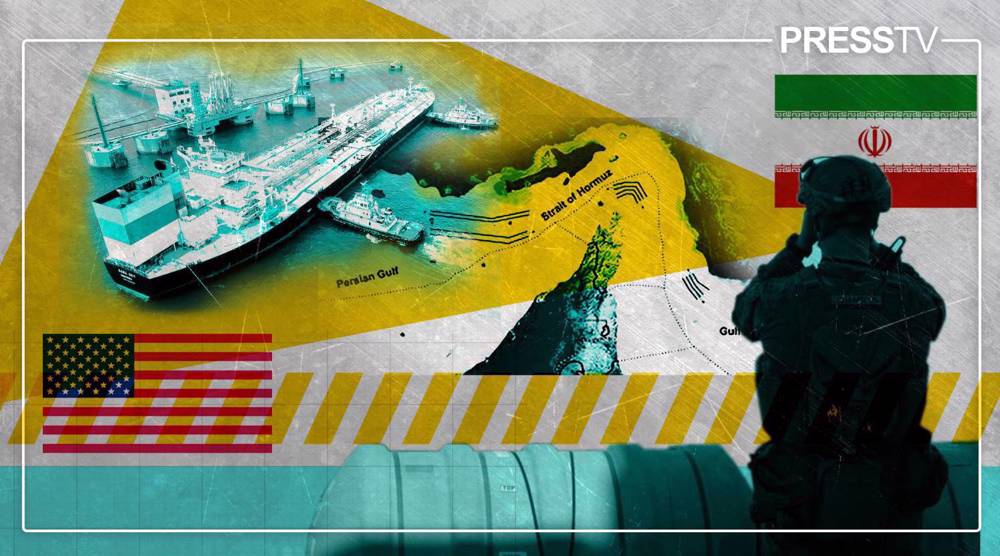
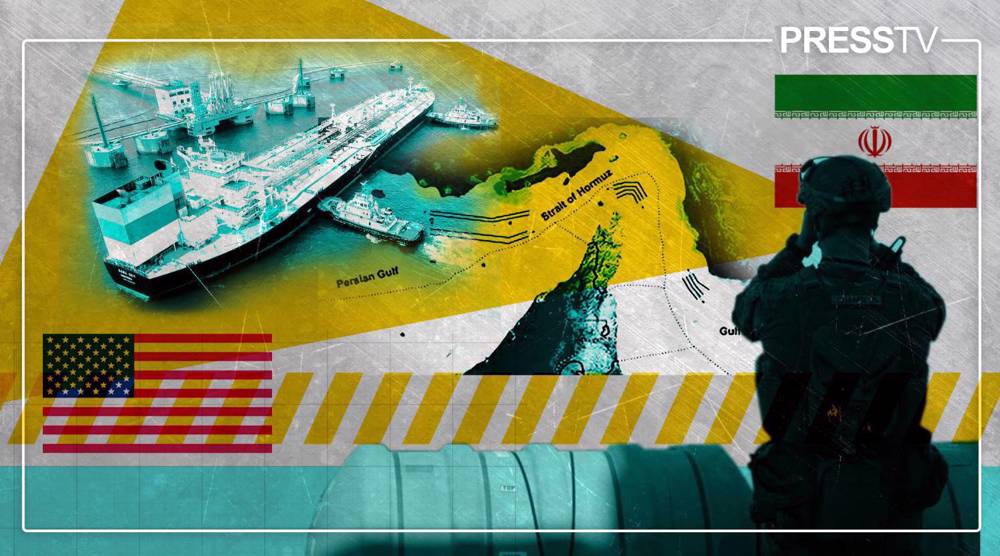
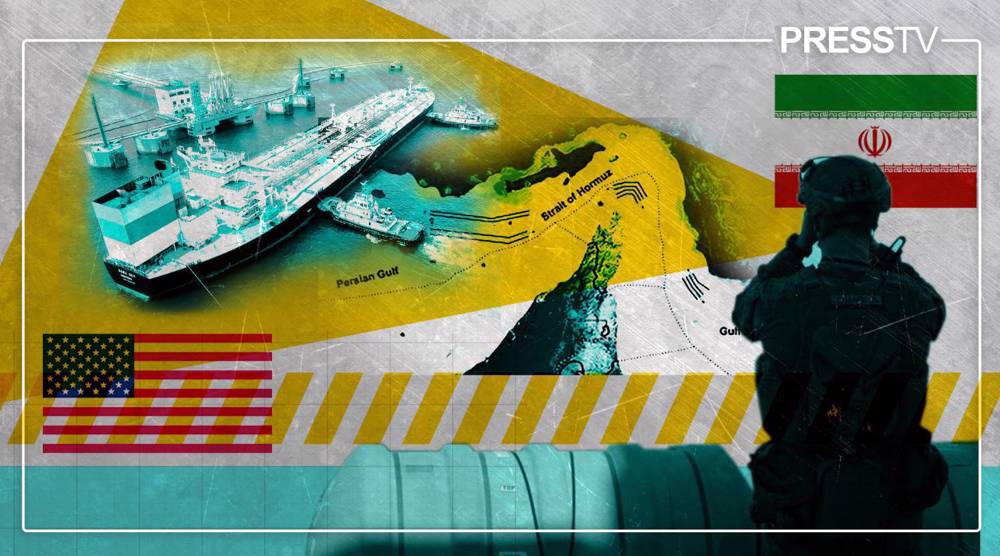
- IRGC said 31 commercial vessels, including oil tankers and container ships, have safely passed through the Strait of Hormuz over the past 24 hours under the coordination and protection of its Navy despite unprecedented insecurity caused by the terrorist US military in the Persian Gulf region.
- The IRGC's intelligence arm said that following the failed aggression in June last year and February this year and the collapse of an April siege, US assumptions about the feasibility of quick and easy military action against the Islamic Republic have proven false.
- Rear Admiral Mohammad Akbarzadeh, the political deputy of the IRGC Navy, emphasised the readiness of the Iranian armed forces to counter any fresh act of aggression against the country.
- Esmaeil Baghaei, the foreign ministry spokesman, said Iran is pursuing talks with the United States “in good faith” despite viewing Washington with “deep suspicion,” confirming that multiple rounds of messages have been exchanged through Pakistani intermediaries based on Tehran’s 14-point peace proposal.
- Amir-Saeid Iravani, Iranian ambassador and permanent representative to the United Nations, called on the Security Council to break its silence on the US president's threats against the Islamic Republic and systematic violations of international humanitarian law during the recent illegal war of aggression.
- Ali Akbar Velayati, senior adviser on international affairs to the Leader of the Islamic Revolution, dismissed the latest American threats, stressing that regional corridor dynamics are shaped by Iran’s realities on the ground, not by Washington’s rhetoric.
- Deputy Director of Iranian Society of Organ Donation Omid Qobadi said nearly 80 organ transplants were performed in Iran during the 40 days of war imposed on the country, which began late February.
- Pakistani army chief Asim Munir's scheduled visit to Tehran was postponed at the last minute on Thursday, as per reports. He was expected to hold talks with top officials in Tehran on definitively ending the third imposed war.
- Abdul-Malik al-Houthi, the leader of Yemen’s Ansarullah movement, called for a broad economic boycott of Western and Israeli products, citing concerns over the exploitation of Iraq’s oil wealth and the use of humanitarian cover for intelligence and moral purposes.
- US President Donald Trump and Israeli prime minister Benjamin Netanyahu engaged in a heated conversation on Tuesday that exposed sharp differences over how to proceed with the war of aggression against Iran, CNN reported.
- Stephen Miller, the White House Deputy Chief of Staff, threatened Tehran, saying it must accept a US-backed agreement or face military consequences.
- Russian Foreign Ministry spokeswoman Maria Zakharova said that the US-engineered crisis around Iran's nuclear issue can only be resolved through diplomatic channels and by taking Iranian interests into account, following the failed American-Israeli aggression.
- A group of international scientists writing in the Lancet journal called on the global health community to take effective action to repair the Pasteur Institute of Iran in Tehran, which sustained considerable damage from a series of US-Israeli airstrikes in late March 2026.
- Hezbollah strongly condemned the latest US sanctions imposed by the Departments of State and Treasury, describing them as a desperate bid to intimidate Lebanon’s free people and revive the Israeli regime’s failing aggression against the country. The US placed sanctions on nine individuals, accusing them of enabling Hezbollah to “undermine Lebanon’s sovereignty.
- Brigadier General Shay Tayeb, the head of the Israeli military’s personnel directorate’s planning and personnel management division, raised the alarm about troop shortage in the regime’s army, saying it will need up to 17,000 recruits to fill the manpower gap.
- Israeli soldiers occupying southern Lebanon engaged in widespread looting of civilian homes and businesses alongside the systematic destruction of villages, with commanding officers turning a blind eye to the practice, according to testimonies published by Haaretz.
US aggression against Iran leaves NATO air defenses ‘beyond critical,’ officials admit
Iran will send Netanyahu ‘to hell’: Rezaei
IRGC: US, Israel resort to economic war after failing to defeat Iran



US aggression against Iran leaves NATO air defenses ‘beyond critical,’ officials admit
Iran will send Netanyahu ‘to hell’: Rezaei
VIDEO | Region’s de-escalation efforts
Rezaei: Any ‘evil’ against Iran will bring affliction on US ‘recorded in history’
Qalibaf to Bessent: US empire failing, billions flow to ‘terrorist proxy, Israel’
Iran will not surrender to pressure and bullying, Pezeshkian tells Qatari PM
IRGC: US, Israel resort to economic war after failing to defeat Iran
Israel plans to block return of Palestinians to three West Bank refugee camps: Report


 PressTV NEWSLETTER
now
PressTV NEWSLETTER
now
 This makes it easy to access the Press TV website
