Skin infections surge in Gaza due to medicine shortages amid Israeli blockade: UNRWA

The UN agency for Palestinian refugees, UNRWA, has warned that a new public health crisis is unfolding in Gaza as skin diseases sweep through overcrowded displacement camps across the Israeli-blockaded Palestinian territory.
In a statement released on Tuesday, the agency said “the number of skin infections has tripled in recent months,” with rising temperatures, extreme overcrowding and collapsing sanitation systems creating ideal conditions for scabies, chickenpox and other contagious diseases, particularly among children.
UNRWA further warned that without adequate medical supplies, Gaza’s primary healthcare response is being severely undermined.
“In Gaza, basic medicines are in short supply, and many children are left without the treatment they need,” the agency said.
Hundreds of children in Deir el-Balah in central Gaza and across other parts of the besieged strip are now suffering from scabies, chickenpox and various skin conditions linked to poor hygiene and chronically overcrowded living spaces.
People in #Gaza are increasingly suffering from skin infections due to the surge in pests, including rats, lice, fleas, and mites.
— UNRWA (@UNRWA) May 5, 2026
UNRWA health teams are treating around 40% of what is now thousands of cases - usually this would be easily managed with simple remedies but they… pic.twitter.com/6vEDJg2s8P
In Khan Yunis in southern Gaza, health workers are racing to disinfect thousands of tents in an effort to slow the spread of infections.
“So far, within 26 days, we have sprayed more than 50,000 tents out of a total of 200,000,” said Saeb Lagan, spokesperson for the Khan Yunis municipality.
But with essential materials running out, many camps may soon be left untreated.
“We are struggling with our inability to provide the necessary materials for the work, as the pesticides are not available in the local market,” Lagan added.
UN spokesperson Stephane Dujarric said earlier that humanitarian conditions in Gaza’s displacement sites continue to deteriorate.
“Teams on the ground say that pests and skin infections among people in Gaza are still on the rise,” he told reporters last month. “In March, such infections more than tripled in our own UN-run displacement sites.”
He added that the crisis is now “impacting almost 10,000 people, compared with about 3,000 in January,” urging greater access for “anti-lice shampoo, lotions, hygiene supplies, pesticides and insecticides” to prevent a larger public health emergency.
Health officials in Gaza say their efforts to contain the outbreak are being severely constrained by the ongoing Israeli blockade.
“Skin diseases spread rapidly due to close contact,” said Dr Salim Ramadan, a general practitioner in Gaza.
“We cannot prevent that contact. Dealing with them is extremely difficult right now because medications are unavailable, and the proper post-treatment conditions, adequate nutrition, ventilation and hygiene, are also lacking.”
Fears are now growing that the situation will worsen further as summer approaches.
Last year, at least 150,000 people in Gaza suffered from skin conditions, largely due to shortages of medical equipment caused by Israel’s genocidal war on the besieged Palestinian territory.
And while a ceasefire has been in place in the Gaza Strip since October 2025, Israel has continued to strike the territory and enforce a blockade that severely restricts the entry of essential medical supplies, prolonging a crisis that health workers say is entirely preventable.
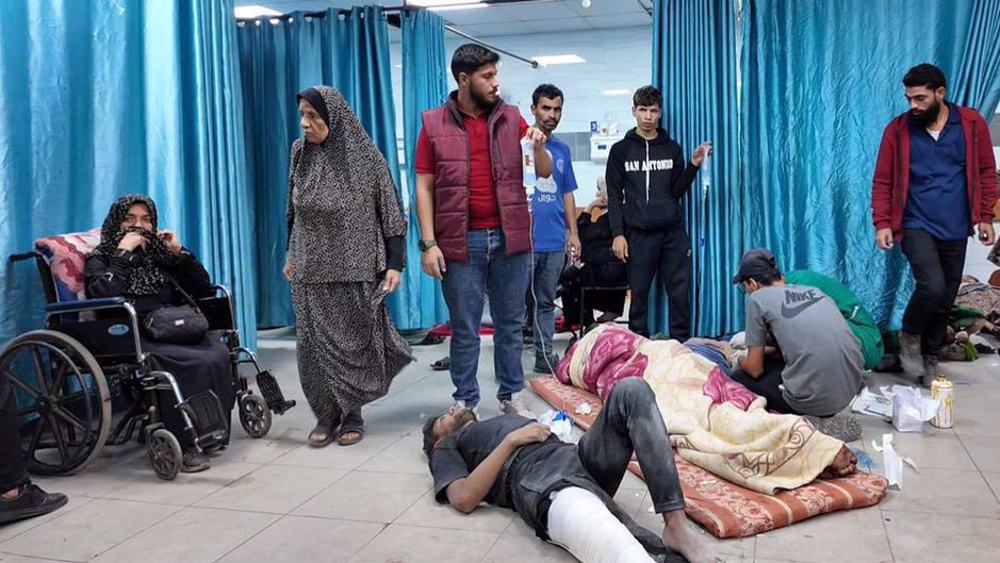
Gaza health system nears collapse amid shortages and fuel crisis
Hamas condemns Netanyahu’s illegal entry into Al-Aqsa Mosque

Poll: Over half of US Jews say Netanyahu fueling American anti-Semitism



US aggression, economic warfare amount to crimes against humanity: Iran's UN envoy
Protests erupt in US as ICE agent shoots Venezuelan driver
US pressure fuels cooperation among Muslim states: Pezeshkian
Major TV networks suspend White House pool coverage after Trump ban
US visa ban on Palestinian UN delegation violates international agreements: Hamas
VIDEO | Press TV's news headlines
Iran calls on France to respect law after suspending French cultural institute in Tehran
Israel lobby no longer shy about its grip on US policy on Iran: Araghchi




 PressTV NEWSLETTER
now
PressTV NEWSLETTER
now
 This makes it easy to access the Press TV website
