Germany’s Merz: US ‘humiliated’ by Iranian leadership

German Chancellor Friedrich Merz says the United States is being “humiliated” by the Iranian leadership.
Chancellor Merz said on Monday that Iranians are clearly stronger than expected and the Americans clearly have no truly convincing strategy in the negotiations.
Speaking to students of the Carolus-Magnus-Gymnasium school in the German town of Marsberg on Monday, Merz said the situation has exposed a deeper strategic problem for the US, warning that the White House risks getting bogged down in another quagmire similar to Iraq and Afghanistan.
“The problem with conflicts like this is always you don’t just have to get in – you have to get out again. We saw that very painfully in Afghanistan for 20 years. We saw it in Iraq,” he said.
The German chancellor said Iranian officials were “obviously negotiating very skillfully” and appeared “clearly stronger than one thought,” adding that “an entire nation is being humiliated by the Iranian leadership”, particularly by the Islamic Revolution Guards Corps (IRGC).
Merz called for an immediate end to the anti-Iran war, warning that the fallout was already hitting Germany’s economy.
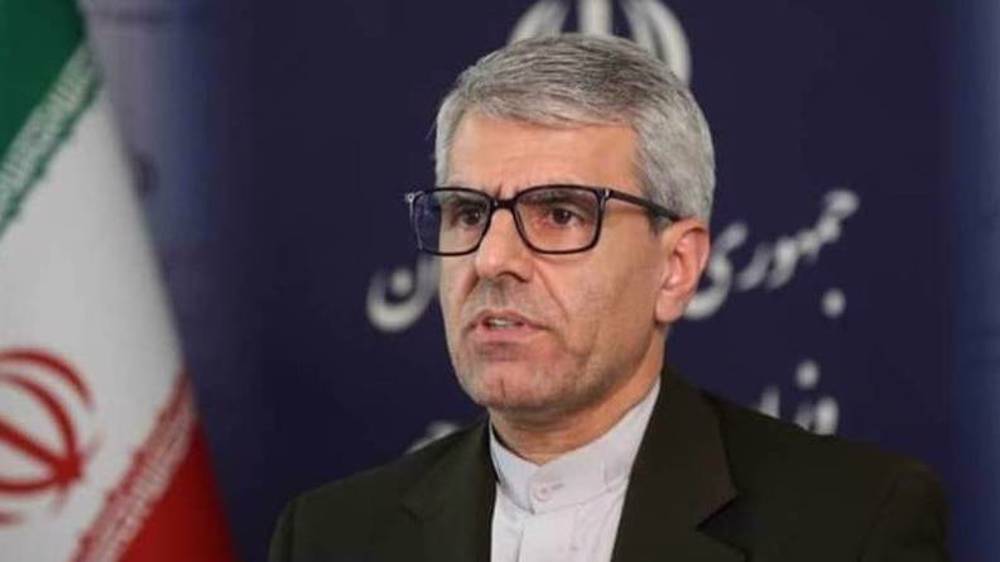
“It is, at the moment, a pretty tangled situation,” he said. “And it is costing us a great deal of money. This conflict, this war against Iran, has a direct impact on our economic output.”
The German chancellor said Germany is ready to deploy minesweepers to help secure the Strait of Hormuz, a vital artery through which a large portion of global petroleum supplies passes, but stressed that such steps depend on a cessation of hostilities between Tehran and Washington.
On February 28, the US and Israel launched a large-scale and unprovoked war of aggression against Iran, assassinating then-Leader of the Islamic Revolution Ayatollah Seyed Ali Khamenei and several high-ranking military commanders.
In response, Iranian Armed Forces executed 100 waves of counterattacks over 40 days, targeting US and Israeli military assets, which resulted in significant damage.
A Pakistani-mediated two-week ceasefire was brokered on April 8, allowing for negotiations in Islamabad, where Iran proposed a ten-point plan seeking US troop withdrawal and the lifting of sanctions.
Despite 21 hours of intense talks on April 11 and 12, the Iranian delegation returned to Tehran without an agreement, citing deep mistrust regarding Washington's willingness to honor its commitments.
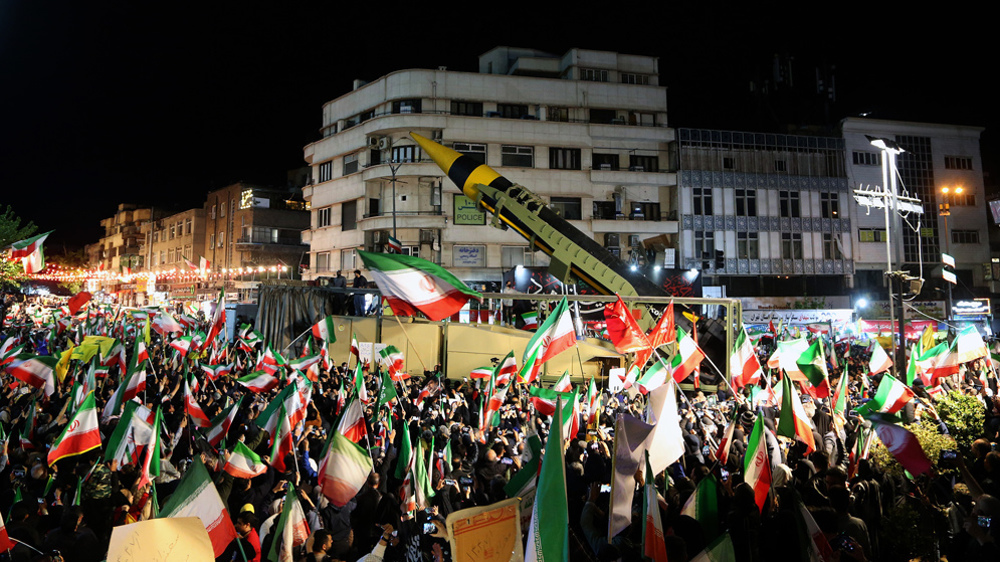
IRGC Navy chief praises 200 nights of nationwide demonstrations
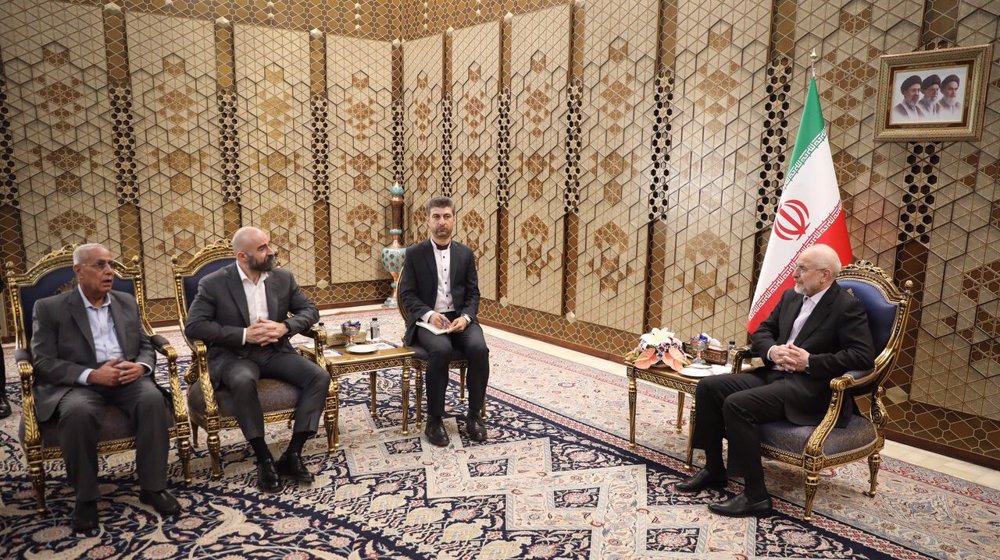
US plot to use Iraqi Kurdistan as launchpad against Iran thwarted: Qalibaf
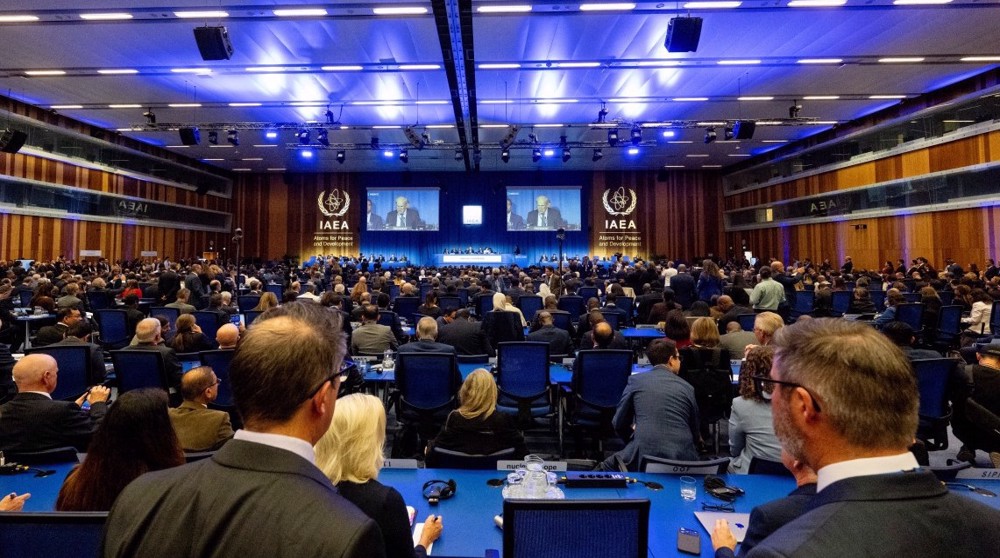
Iran wins IAEA General Committee seat as US bid to block election fails



IRGC chief slams assassination of Sunni cleric in southeastern Iran, vows retaliation
Iran warns AI could become apparatus of ‘invisible dictatorship’ amid growing use in warfare
Iran inflicted ‘serious damage’ on US warships: General
VIDEO | Mass skepticism on Trump’s $5,000 ‘bribe’ for midterm elections
How Gaza's environmental catastrophe amid genocidal war boomeranged onto Israeli desalination plants
Iran downs 52nd US MQ-9 drone over Qeshm Island in latest blow
Saudi Red Sea oil shipments halted amid pipeline damage, war on Yemen
VIDEO | Israel’s targeting of Palestinian journalists constitutes crime against humanity: Analyst





 PressTV NEWSLETTER
now
PressTV NEWSLETTER
now
 This makes it easy to access the Press TV website
