Tehran will never surrender control of Strait of Hormuz: Iranian MP
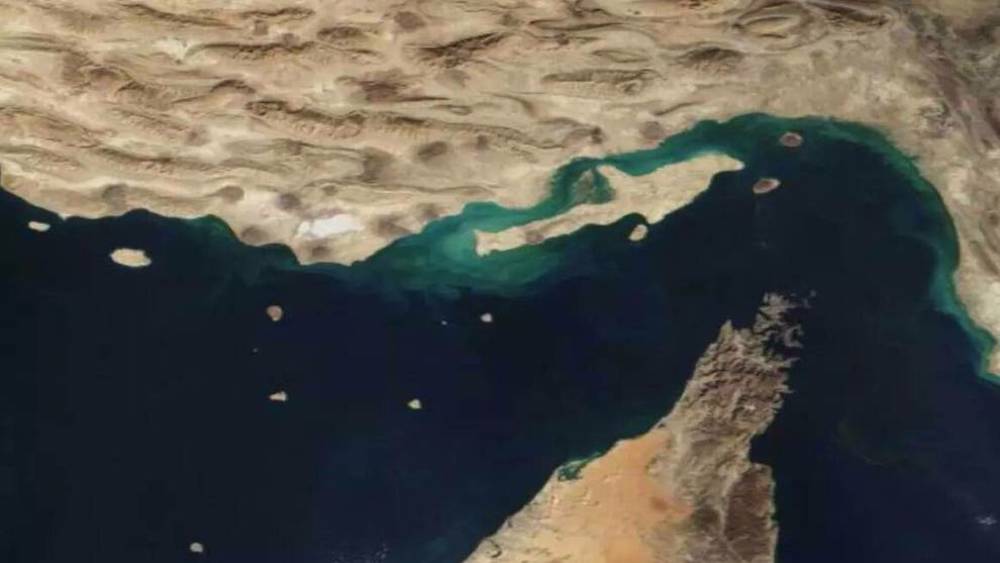
Iran will never relinquish control of the strategic Strait of Hormuz, a senior Iranian lawmaker has stated, calling the vital waterway an inseparable part of the Islamic Republic’s national sovereignty that will remain under full Iranian authority.
Ebrahim Azizi, a former commander of the Islamic Revolution Guards Corps (IRGC) and chairman of the Iranian Parliament’s National Security and Foreign Policy Committee, made the remarks in an interview with a BBC correspondent in Tehran on Sunday.
“Never,” Azizi replied when asked if Tehran would ever cede control of the Strait. “It’s our inalienable right. Iran will decide the right of passage, including permissions for vessels to pass through the Strait.”
He stated that this principle is being formalized through legislation. “We are introducing a bill in parliament, based on Article 110 of the constitution, which covers the environment, maritime safety, and national security — and the armed forces will implement the law,” the senior MP said.
The lawmaker stressed that the US-Israeli war with Iran has only reinforced the Strait’s critical importance as one of Iran’s most powerful assets in confronting its enemies.
Tehran now regards its ability to regulate maritime traffic through this waterway as essential for restoring deterrence and maintaining long-term strategic leverage.
“The first priority for Iran after the war is to restore deterrence, and the Strait of Hormuz is among Iran’s principal strategic leverages,” explained Mohammad Eslami, a research fellow at the University of Tehran.
“Tehran is open to discussing how other nations can benefit from Iran’s new framework for the strait, but control is the bottom line.”
Meanwhile, MP Azizi sharply dismissed criticism from regional states, particularly the United Arab Emirates.
Responding to UAE diplomatic adviser Dr. Anwar Gargash’s labeling of Iran’s actions as “an act of hostile piracy,” Azizi countered that these Persian Gulf states “are the pirates who sold our region to the Americans.”
He added that Washington is “the biggest pirate in the world” because of its extensive military bases across West Asia, many of which were targeted by Iranian drones and missiles during the 40-day war.
“We have always said we need to work together to secure our region,” Azizi emphasized.
Azizi’s remarks came just hours before the United States carried out a flagrant act of aggression on an Iranian merchant vessel in the waters of the Sea of Oman, deploying its terrorist marines onto the ship’s deck and disabling its navigation systems.
US troops launched the unprovoked attack on the Iranian container ship Toska, which was peacefully sailing from China to Iran through the Gulf of Oman.
In immediate response, Iranian forces struck back, targeting several American military vessels in the area with drone attacks.
On Friday, Iran had declared the Strait was open to commercial shipping, weeks after it was shut down to vessels associated with the US and its allies following the launch of an unprovoked war of aggression against the Islamic Republic on February 28.
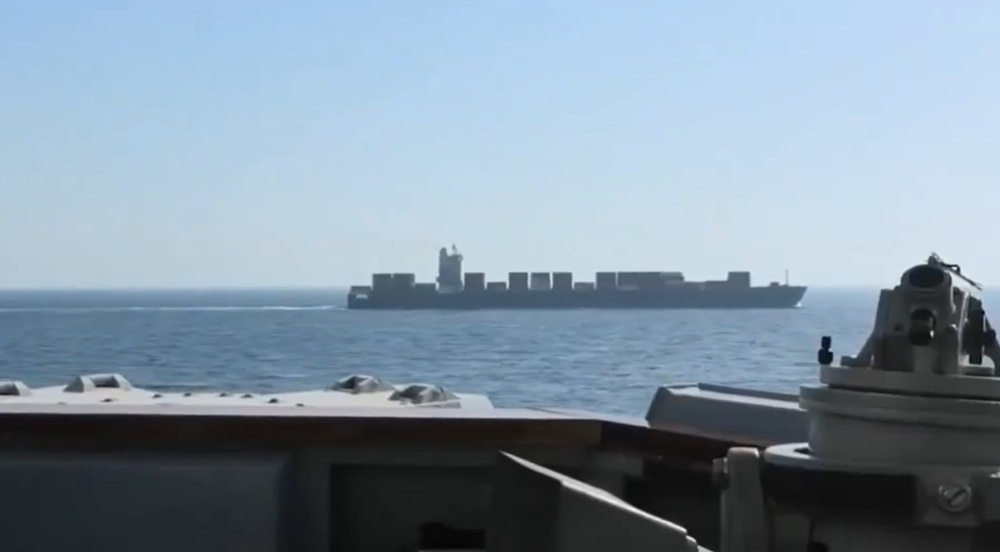
On April 7 and following 40 days of intense fighting that engulfed the entire region, Trump announced a two-week ceasefire after accepting Iran's ten-point proposal as a basis for negotiations to permanently end the war.
He nonetheless authorized the continuation of a naval blockade he had ordered against the Islamic Republic, in addition to making numerous controversial statements regarding the waterway—all of which have been categorically refuted by Iranian authorities.
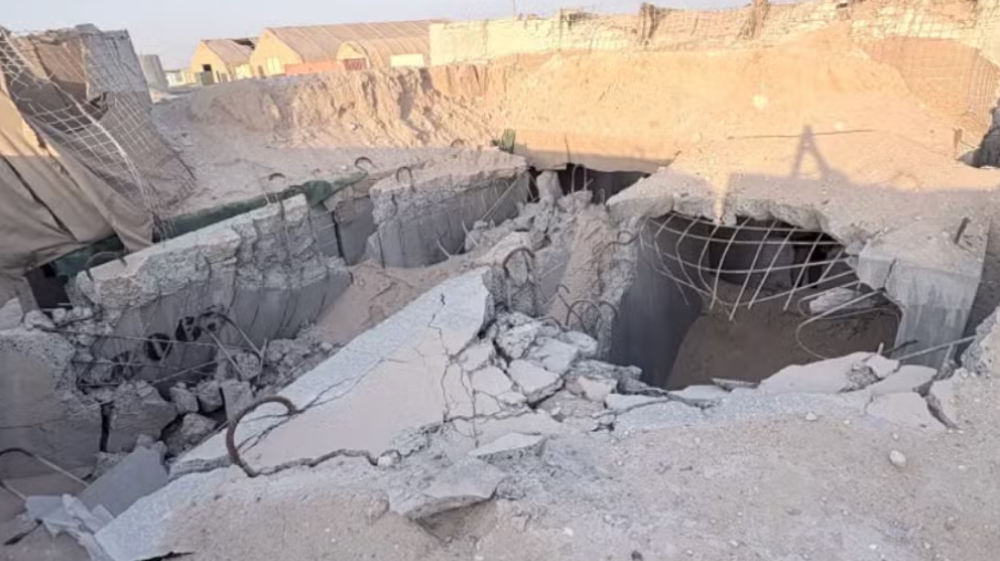
New images reveal severe destruction at US base in Kuwait after Iranian strikes
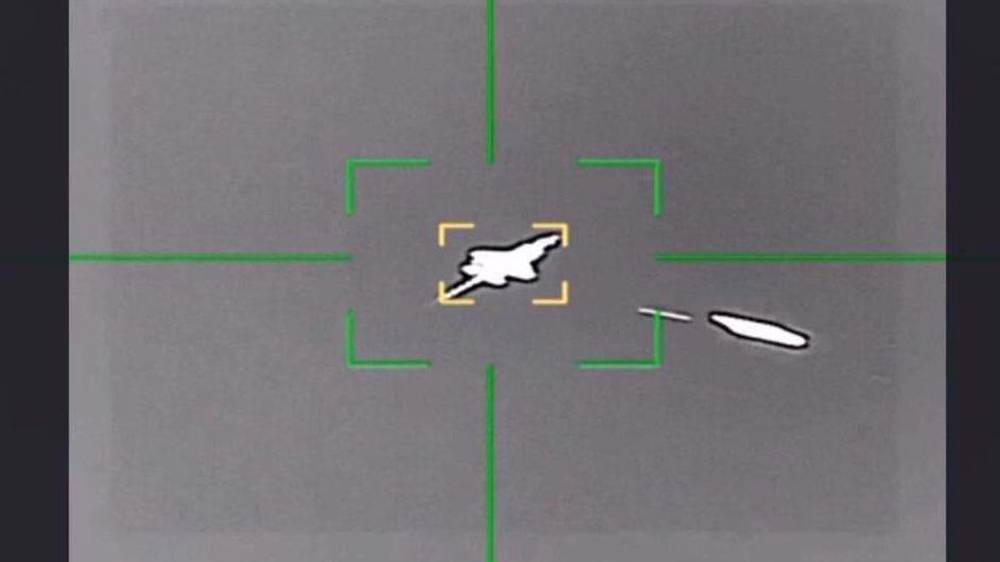
‘Live with it’: Era of US F-35s being ‘hunted down’ has begun, Qalibaf says
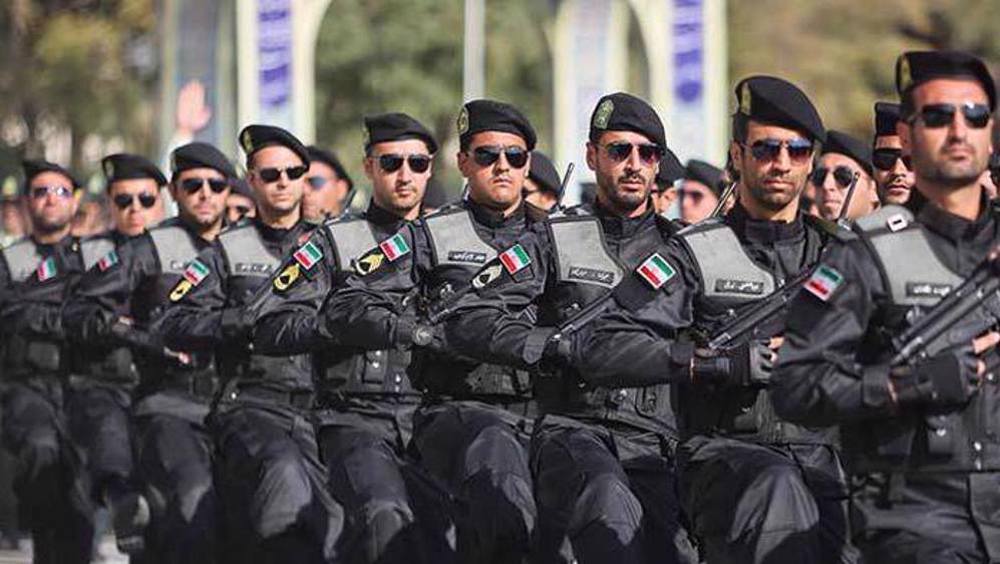
IRGC intelligence forces eliminate two terrorists in southeast Iran



VIDEO | US president using Greenland as foreign policy success
VIDEO | Press TV's news headlines
Jordan: the Kingdom of compromise - Part 2
University of Tehran scientists develop bio-scaffolds for bone repair
Handala hacker group publishes selfie images of 700 Israeli ‘security’ personnel
Iran Judiciary issues indictments against US, Israeli officials over assassinations
VIDEO | Intl. Nuclear Medicine Congress wraps up in Tabriz
Man convicted of spying for Israel, providing information on missile sites executed in Iran


 PressTV NEWSLETTER
now
PressTV NEWSLETTER
now
 This makes it easy to access the Press TV website
