Pakistani PM vows to continue peace efforts in call with Iran’s president
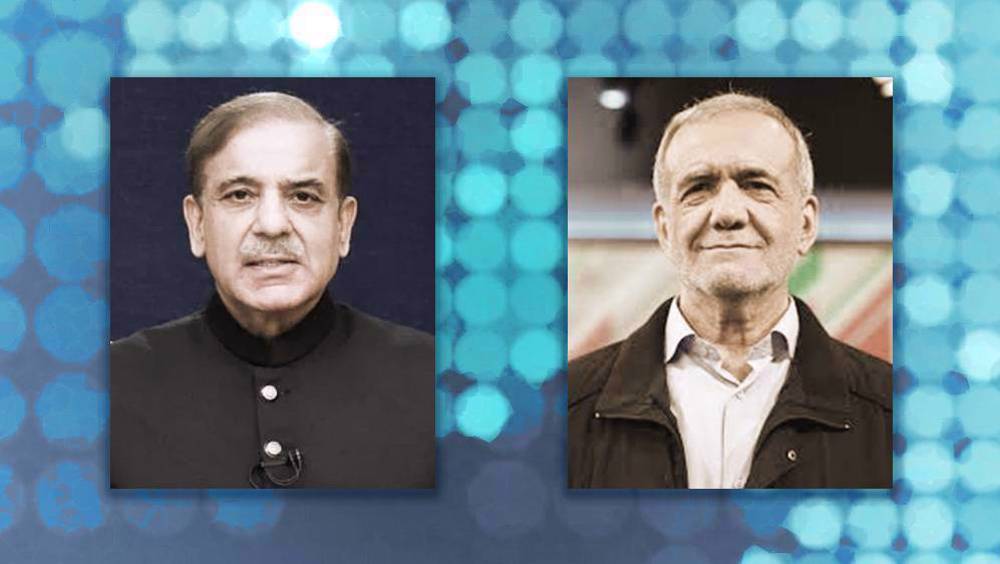
Pakistani Prime Minister Shehbaz Sharif says Islamabad will remain fully committed to its efforts to promote peace and security in the region with the support of its friends and partners.
Sharif made the remark in a 45-minute phone conversation with Iran’s President Masoud Pezeshkian on Sunday, hailing Iranian officials’ constructive positions in talks with Pakistani Army Chief General Asim Munir in Tehran.
According to a statement by Pakistani prime minister’s office, Sharif and Pezeshkian held detailed discussions about the ongoing situation in the region.
It added that Sharif thanked Leader of the Islamic Revolution Ayatollah Seyyed Mojtaba Khamenei and the Iranian president for sending a high-ranking delegation, led by Parliament Speaker Mohammad Baqer Qalibaf and Foreign Minister Abbas Araghchi, to Islamabad for talks with American negotiators on April 11-12.
The Pakistani prime minister briefed the Iranian president on his recent meetings with authorities of Saudi Arabia, Qatar and Turkey and said such interactions have been very useful in building consensus in support of a sustainable process of dialogue and diplomacy with the purpose of establishing durable peace in the war-torn region, it noted.
The statement said Pezeshkian extended his appreciation to the Pakistani prime minister and Army for Islamabad’s strong commitment to peace efforts and called for promotion of relations between the two countries.
Iran says US blockade of ports unlawful, criminal, and violation of ceasefirehttps://t.co/bTP3zZcT52
— Press TV 🔻 (@PressTV) April 19, 2026
Earlier, Araghchi and his Pakistani counterpart Muhammad Ishaq Dar also exchanged views about the latest developments in the region by phone.
On April 8, Iran’s Supreme National Security Council (SNSC) announced that there was an agreement to a Pakistan-brokered temporary ceasefire after the US accepted Iran’s 10-point proposal.
Senior Iranian and American negotiators held approximately 21 hours of talks in Islamabad on April 11 without an agreement, with Iranian officials blaming US excessive demands and shifting positions.
With the two-week ceasefire set to expire on April 22, US President Donald Trump announced on Sunday that he was sending a delegation to Islamabad for talks with Iran. However, he renewed his threats against Iran, saying the US would attack Iranian power plants and bridges if no agreement is reached.
Iran has yet to confirm whether it will send a delegation to Pakistan for a second round of talks, as media reports said the US excessive demands, shifting positions, a naval blockade of Iranian ports, and constant threats have hindered progress in the talks.
The continued naval blockade is “a violation of the ceasefire agreement and has further complicated efforts to advance the negotiations,” the official IRNA news agency reported. It added that repeated threats by Washington have “contributed to the lack of progress.”
The Tasnim news agency also reported that Iran would not take part in a second round of talks with the US as long the naval blockade of Iranian ports remains in effect.
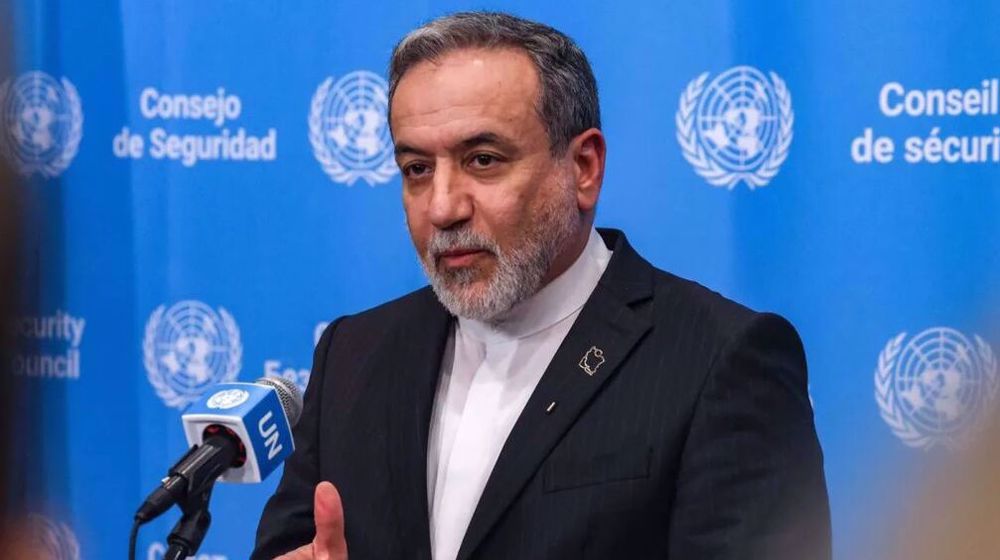
Iran FM outlines seven-day plan for conditional reopening of Strait of Hormuz
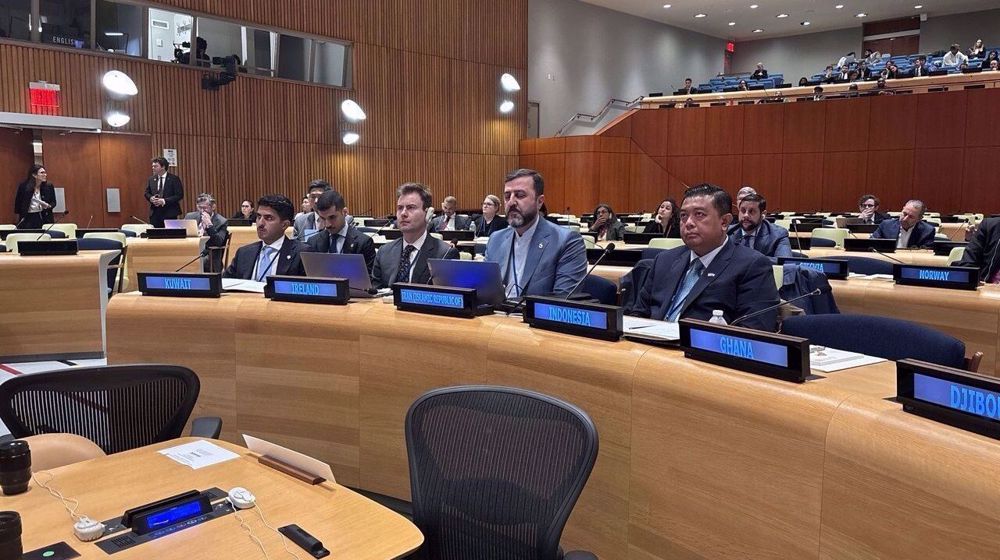
Gharibabadi: International law’s credibility hinges on states’ equality before the law
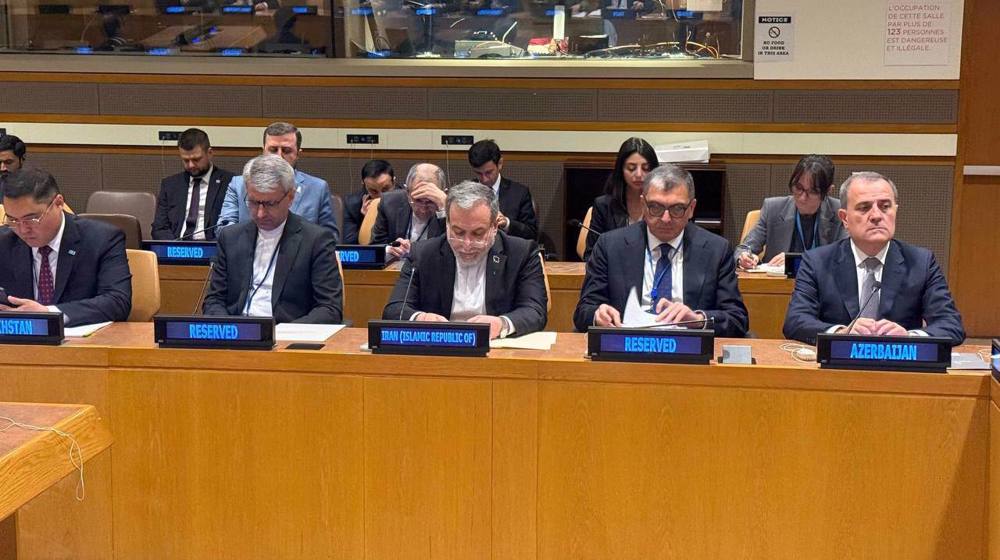
ECO can play greater role in regional peace, economic integration: Araghchi



Emirati influencers celebrate UAE for staying during Netanyahu’s UNGA speech amid Gaza genocide
Netanyahu didn’t convey UAE’s warning of Operation Aqsa Flood to security chiefs: Report
Resistance group urges Iraqi government to reject ‘unjust siege’ on Iran
Hormuz blockade to create food insecurity for at least 45 million people: UN
Pezeshkian leaves New York for Tehran after UNGA speech, meetings
VIDEO | Ceuta: Migration crisis fuels political tension
Iraqi resistance group vows to stage airport sit-ins over Iran aerial blockade
Pezeshkian hails China’s ‘thoughtful and responsible support’ for Islamabad MoU


 PressTV NEWSLETTER
now
PressTV NEWSLETTER
now
 This makes it easy to access the Press TV website
