Kamala Harris: US-Israeli war on Iran ‘feeble attempt’ to distract from Epstein files
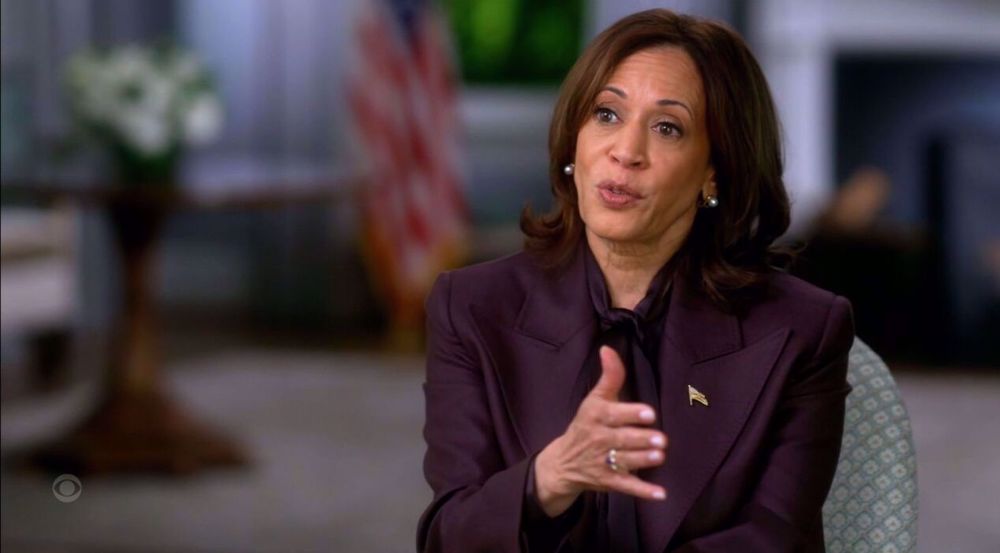
Former US Vice President Kamala Harris says the US President Donald Trump was forced into a war with Iran by the Israeli Prime Minister Benjamin Netanyahu “in a feeble attempt to distract [the American] public from Epstein files.”
Speaking at Detroit’s Huntington Place at a women’s luncheon during the Michigan Democratic Party endorsement convention on Saturday, Harris said: "Trump entered a war, and he got pulled into it by Bibi Netanyahu, let us be clear about that, that the American people did not want. Among the many consequences of it is jacking up the price of gas."
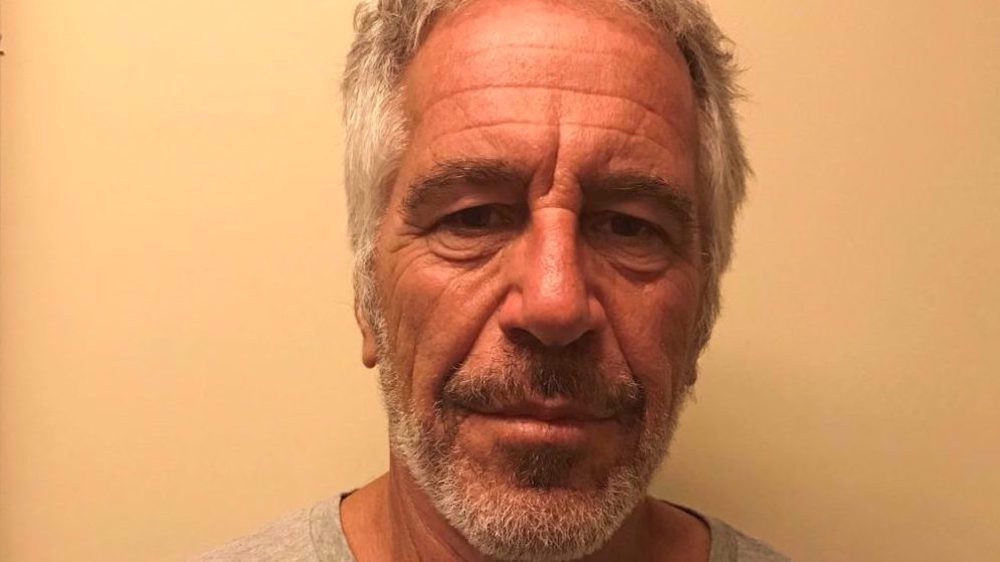
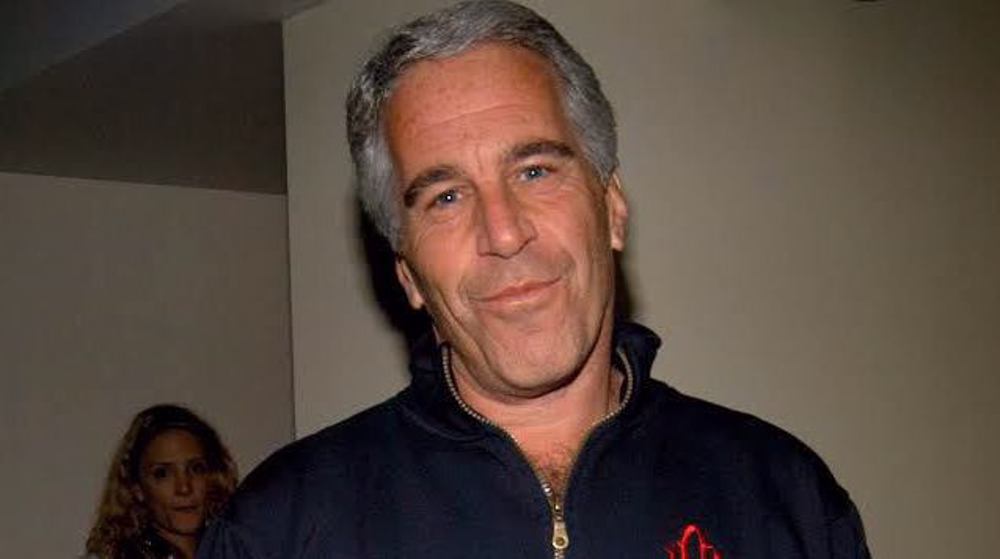
Referencing convicted sex offender Jeffrey Epstein, she stated that by launching the aggression against Iran, Trump wanted to change the focus of US public opinion from his involvement with Epstein to a war that affected every aspect of American daily life.
She condemned Trump for jeopardizing American relationships with allies and called him an “insecure man.”
She further censured the US president for endangering American service members and fueling what she described as an “internal war” that is hurting the public, as rising gasoline prices continue to strain households.
"We are dealing with the most corrupt, callous and incompetent presidential administration in the history of the United States,” Harris added.
“The man does not understand what real strength looks like, and he overcompensates full time, trying to pretend that basically, he is some kind of mob boss … Speaking truth, being trustworthy, being consistent. He has failed on all accounts,” she warned.
The criminal US-Israeli aggression against Iran began on February 28 with airstrikes that assassinated senior Iranian officials and commanders, including the Leader of the Islamic Republic Ayatollah Seyyed Ali Khamenei.
Iranian armed forces responded by launching almost daily missile and drone operations targeting locations in the Israeli-occupied territories as well as US military bases and assets across the region.
Furthermore, Iran retaliated against the strikes by closing the Strait of Hormuz, which resulted in a significant increase in the prices of oil and its by-products.
On April 8, Iran’s Supreme National Security Council (SNSC) announced that there was an agreement to a Pakistan-brokered temporary ceasefire after the US accepted Iran’s 10-point proposal.
A high-ranking delegation from Iran led by Parliament Speaker Mohammad Baqer Qalibaf participated in the negotiations with the US delegation led by Vice President JD Vance.
Despite 21 hours of intensive discussions, the negotiations ended without an agreement, with Iran citing “excessive demands” from the US side.
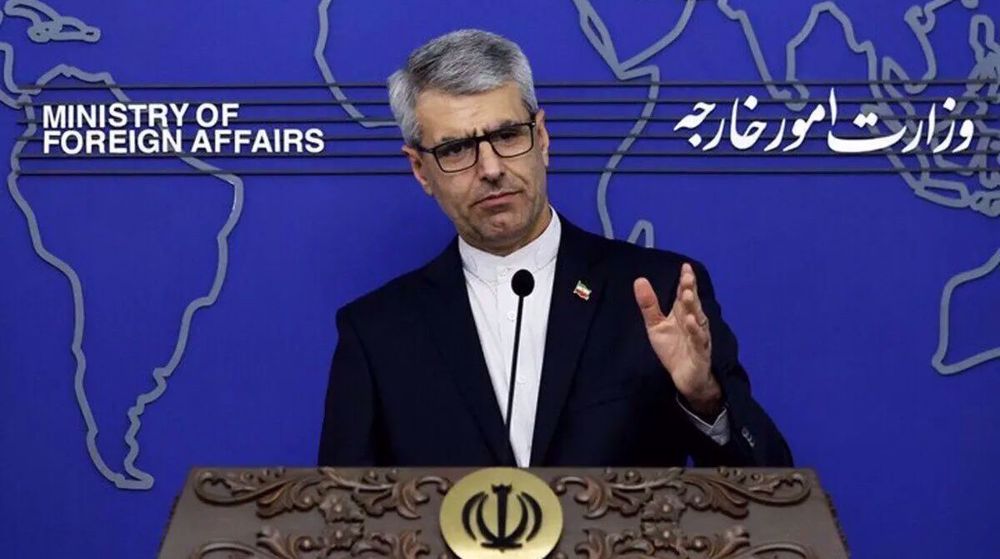
Baghaei: ‘Crude’ US propaganda reveals ‘naivety’ behind ‘unlawful war of choice’ against Iran
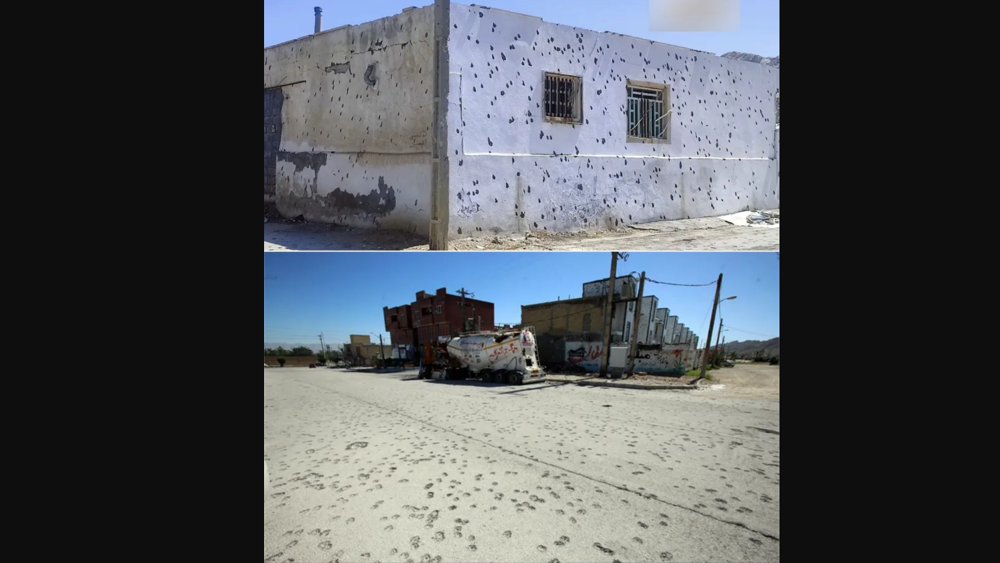
Iran: US cannot evade responsibility for war crimes by leaving UN rights council
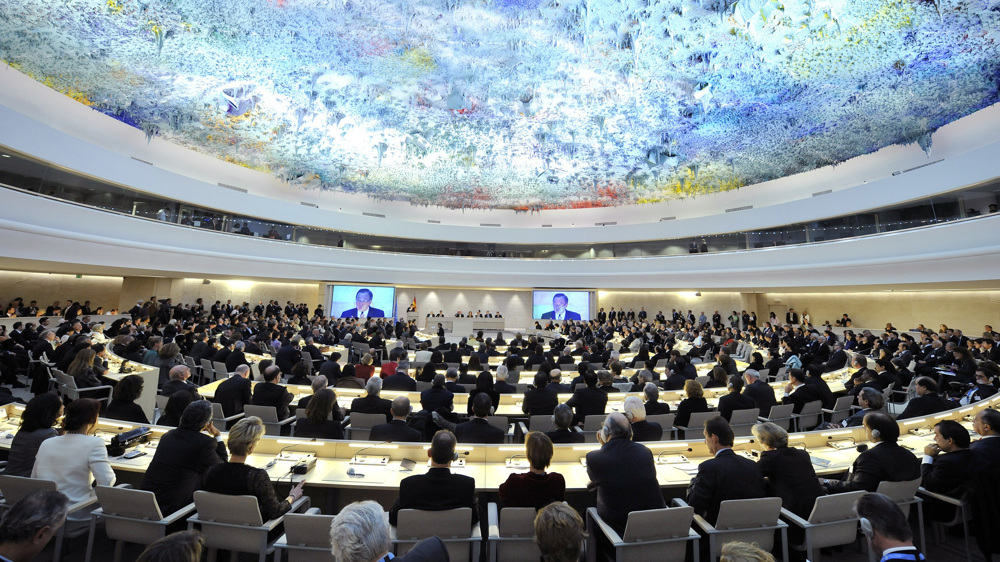
US leaves UN Human Rights Council after probe finds possible American war crimes in Iran



Syria’s HTS declines Saudi bid for militants against Yemeni forces: Report
VIDEO | Pentagon criticized for failing to release real number of US troops casualties
Araghchi: Military intervention cannot create security; coercion cannot bring peace
VIDEO | US president using Greenland as foreign policy success
VIDEO | Press TV's news headlines
Jordan: the Kingdom of compromise - Part 2
University of Tehran scientists develop bio-scaffolds for bone repair
Handala hacker group publishes selfie images of 700 Israeli ‘security’ personnel


 PressTV NEWSLETTER
now
PressTV NEWSLETTER
now
 This makes it easy to access the Press TV website
