Strait of Hormuz traffic to follow Iran-designated route under Iranian coordination: FM spox
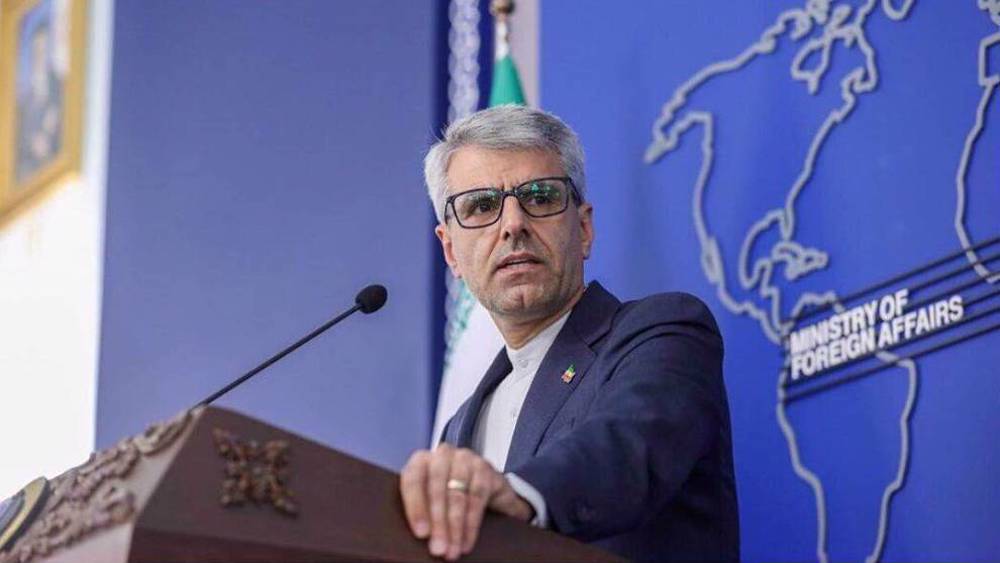
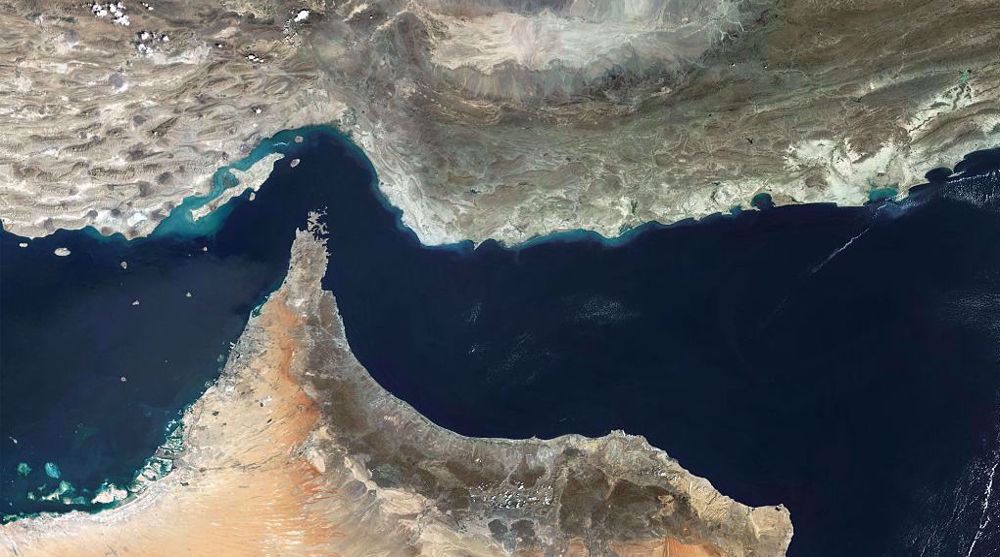
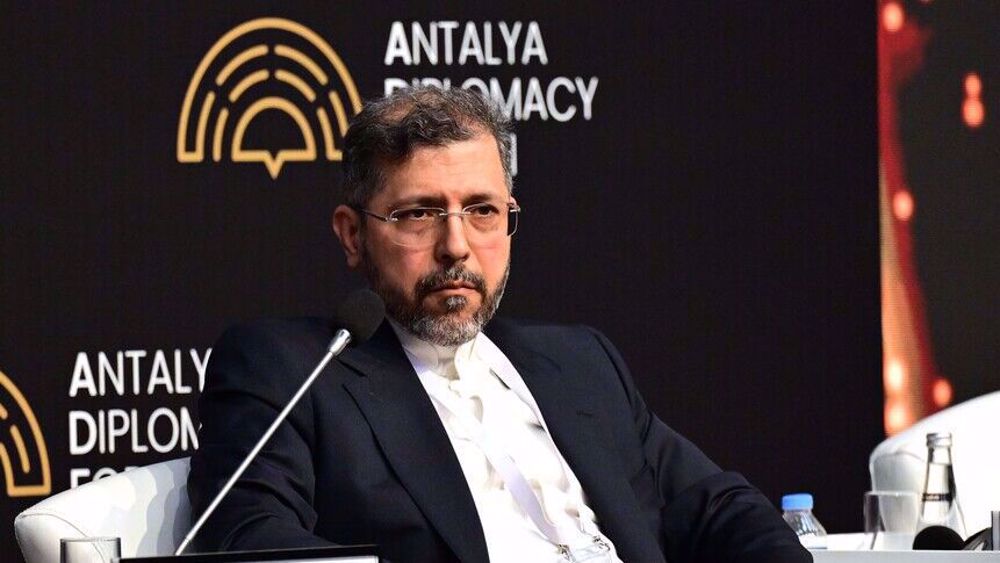
Iran’s Foreign Ministry spokesperson, Esmaeil Baghaei, says maritime traffic through the Strait of Hormuz must strictly follow routes designated by Tehran and operate under full Iranian coordination.
Speaking in a live televised interview on Friday, Baghaei reiterated that any continued "maritime blockade" by the United States would be met with a decisive reciprocal response.
"The naval blockade by the United States is considered a violation of the ceasefire, and Iran will take the necessary reciprocal actions."
Baghaei said that if Washington chooses “to act in bad faith—as they seemingly intend to do—and should the naval blockade persist, the Islamic Republic of Iran will undoubtedly take reciprocal actions.”
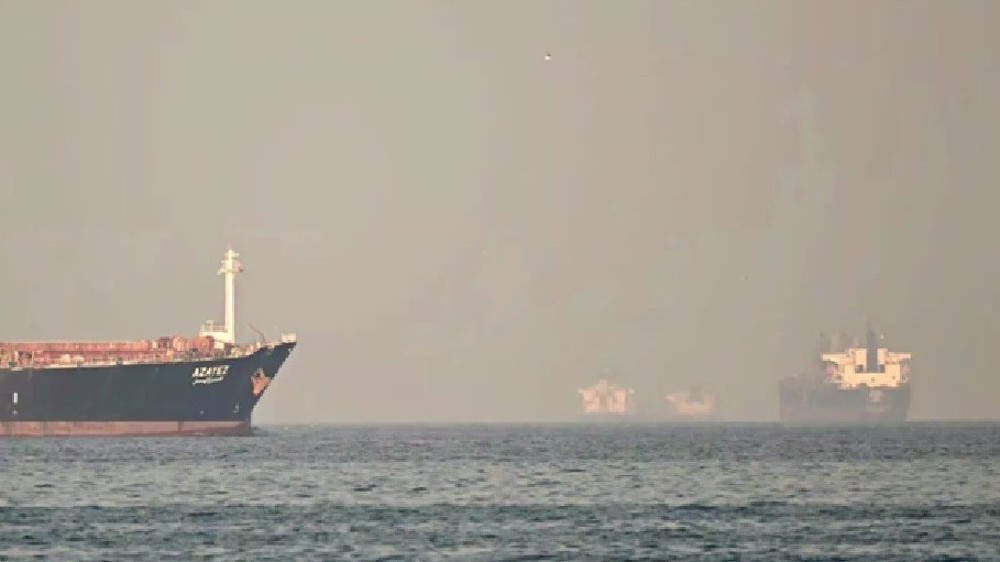
Iran's Foreign Ministry Spokesman says commercial ships can pass through the Strait of Hormuz solely on the route determined by Iran and in coordination with the Iranian port authorities.
— Press TV 🔻 (@PressTV) April 17, 2026
Follow Press TV on Telegram: https://t.co/LWoNSpkc2J pic.twitter.com/N8eABjSb3k
“Iran is the guardian of the Strait of Hormuz” and will show "no leniency" in defending its rights, he added.
The foreign ministry spokesman also urged the public to ignore the "media games" and contradictory statements made by US President Donald Trump.
Baghaei was referring to a series of posts on Trump’s social media platform, Truth Social, which signaled potential US backtracking on the negotiated agreements with Tehran.
Contrary to the US president's claims, the reopening of the Strait is explicitly tied to the cessation of Israeli aggression on Lebanon.
Tehran had previously closed the vital chokepoint to adversaries and their allies as a strategic maneuver during 40 days of illegal US-Israeli aggression that began on February 28.
On April 8, Washington formally accepted Iran’s 10-point proposal, which demanded ceasefires on all fronts, including Lebanon.
When the US briefly backtracked under intense Israeli lobbying—resulting in a tragic massacre of over 300 people across Lebanon—Iran maintained a steadfast posture.
But more than a week into the agreement, the ceasefire was fully implemented in Lebanon on April 16.
Earlier on Friday, Iranian Foreign Minister Abbas Araghchi confirmed the conditional resumption of maritime operations, asserting that traffic would safely resume strictly under Iranian oversight.
Baghaei highlighted the decision to partially open the strategic waterway is part of the agreements made on April 8.
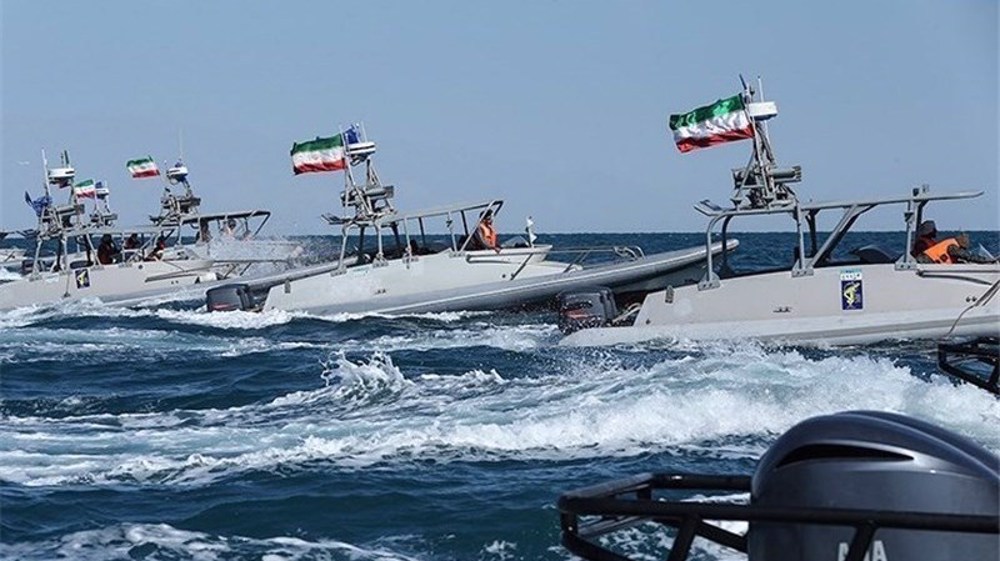
Iran's Islamic Revolution Guards Corps (IRGC) Navy issues the four conditions for crossing the Strait of Hormuz:
— Press TV 🔻 (@PressTV) April 17, 2026
1. Civilian vessels are permitted to transit solely through Iran's designated route. pic.twitter.com/bPDOCl7mb1
In response to Trump’s contradictory remarks, Iran’s presidential office also said that the “conditional and limited” opening of the waterway is exclusively an Iranian initiative designed to create responsibility and serve as a test of Washington's definitive obligations.
Mehdi Tabatabaei, Deputy for Communications and Information at the Presidential Office, said Trump’s contradictory remarks are aimed at downplaying Iran's recent triumphs against US and Israeli aggression. In response to an initial US failure to secure a ceasefire in Lebanon, Iran kept the strait firmly closed.
Tehran threatened to boycott talks in Islamabad if the devastating attacks were not immediately scaled back, a firm ultimatum that successfully forced Washington to press Israel into compliance and finally led to Trump's midnight ceasefire announcement.
A high-ranking Pakistani delegation recently met with Iranian officials, reportedly carrying a message from the US amid attempts to coordinate a second round of talks between Tehran and Washington.
However, following a stalled first round that ended without tangible results due to Washington’s excessive demands, Iran has made it clear that any future progress relies entirely on the US honoring its agreements.
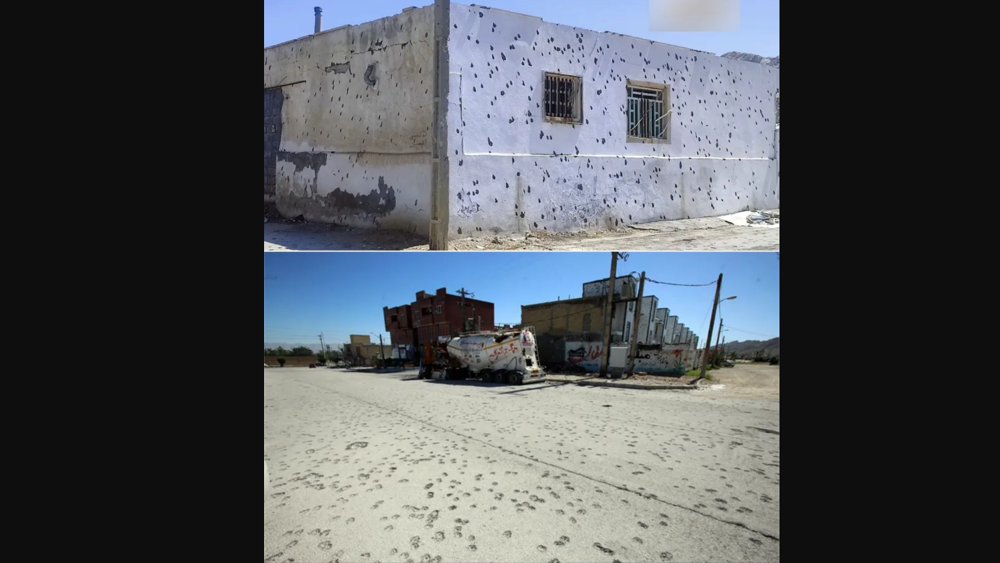
Iran: US cannot evade responsibility for war crimes by leaving UN rights council
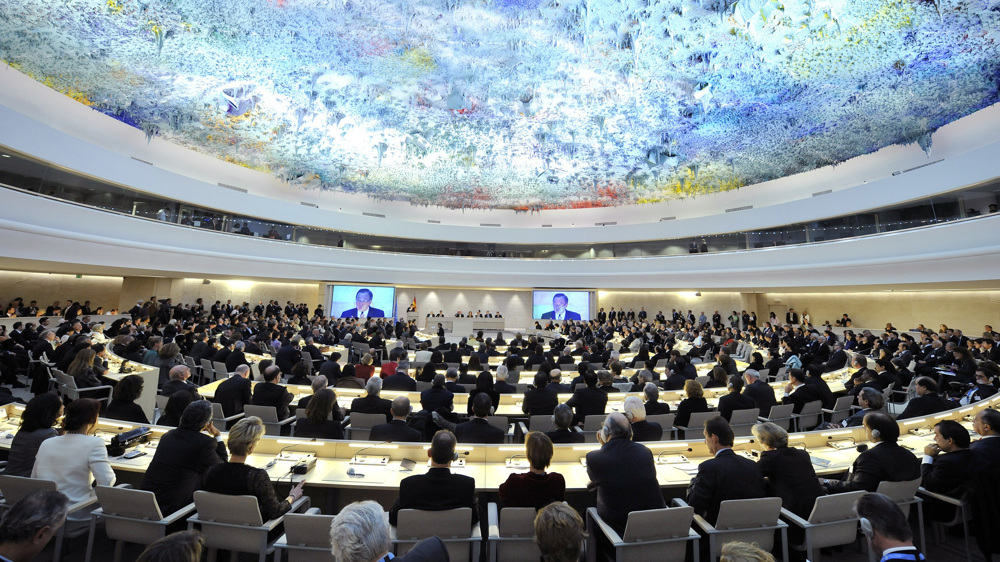
US leaves UN Human Rights Council after probe finds possible American war crimes in Iran
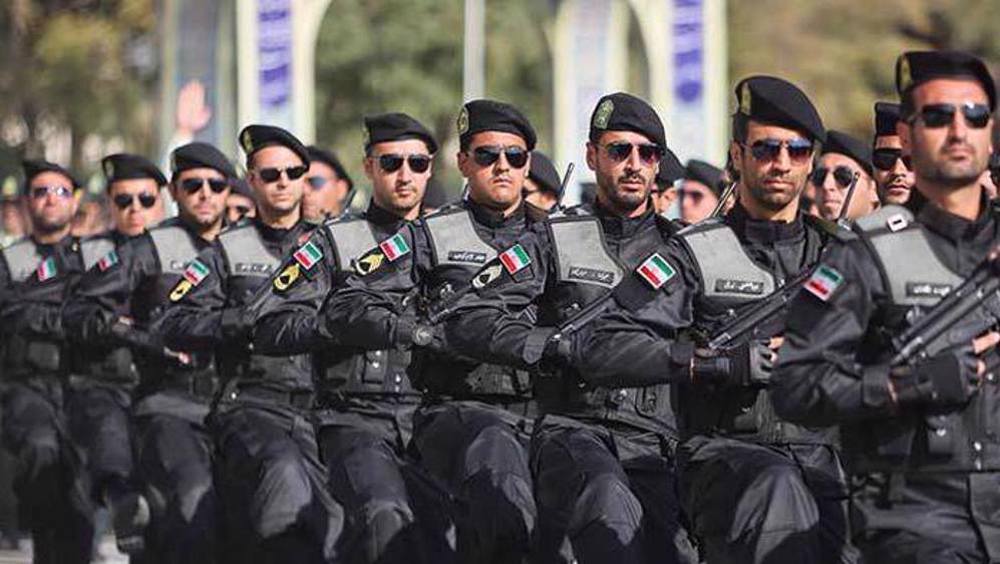
IRGC intelligence forces eliminate two terrorists in southeast Iran



Sirens blare in Riyadh, across Saudi Arabia amid amid Yemeni retaliatory strikes
New images reveal severe destruction at US base in Kuwait after Iranian strikes
Israeli strike on motorcycle kills Palestinian in Gaza City, injures child
VIDEO | Russians head to polls as 3-day parliamentary elections kick off
VIDEO | South Korean president drops Hormuz deployment plan amid protests
VIDEO | Yemenis slam Saudi claims of targeting holy city of Mecca
VIDEO | IAEA conference urges agency to act against Israel
Report: US military death toll in war on Iran exceeds Department of War’s public count


 PressTV NEWSLETTER
now
PressTV NEWSLETTER
now
 This makes it easy to access the Press TV website
