Second carrier burns as US fleet crumbles under grind of Iran war
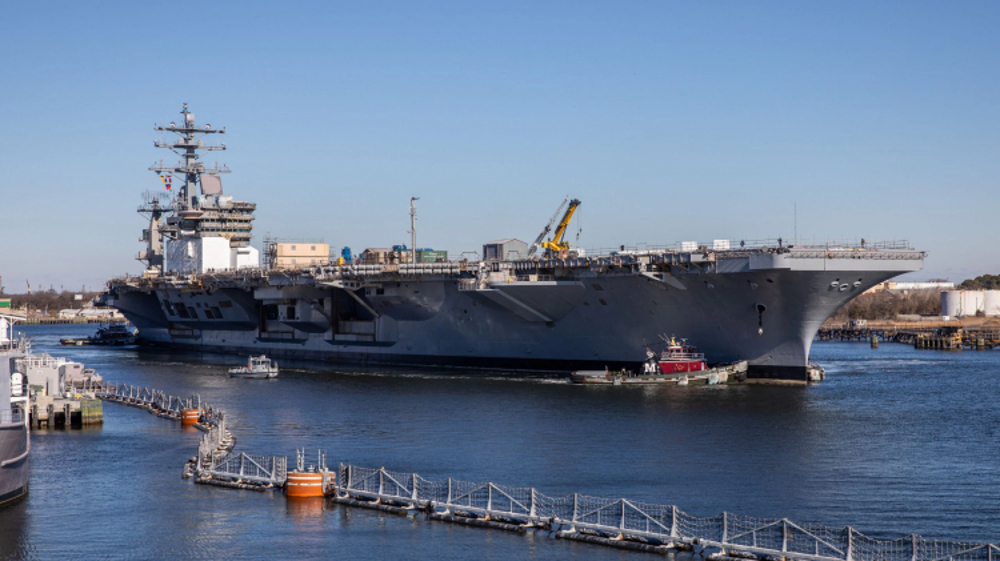
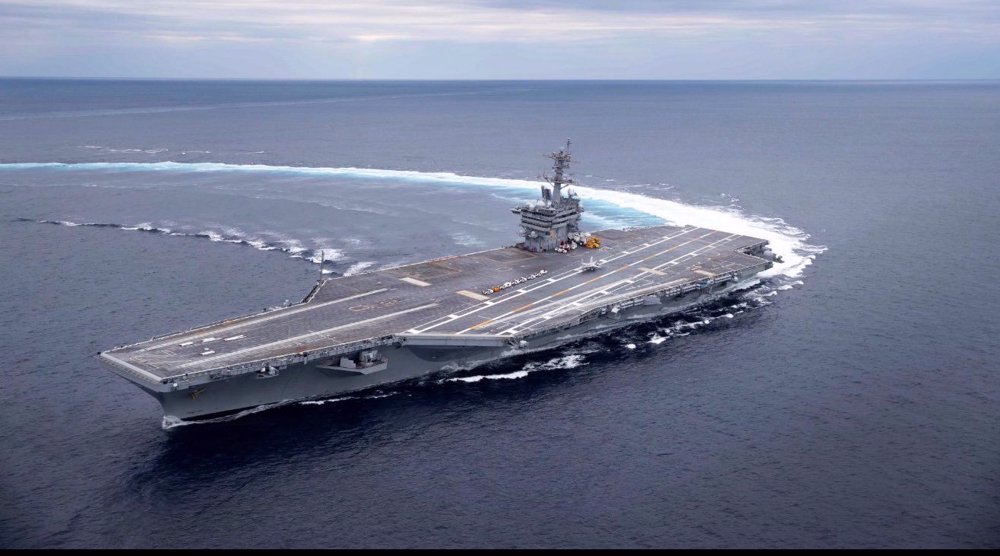
Another US supercarrier has suffered a fire-related incident, marking the latest in a series of operational failures plaguing American naval assets since Washington launched a war of terrorism with Israel on Iran.
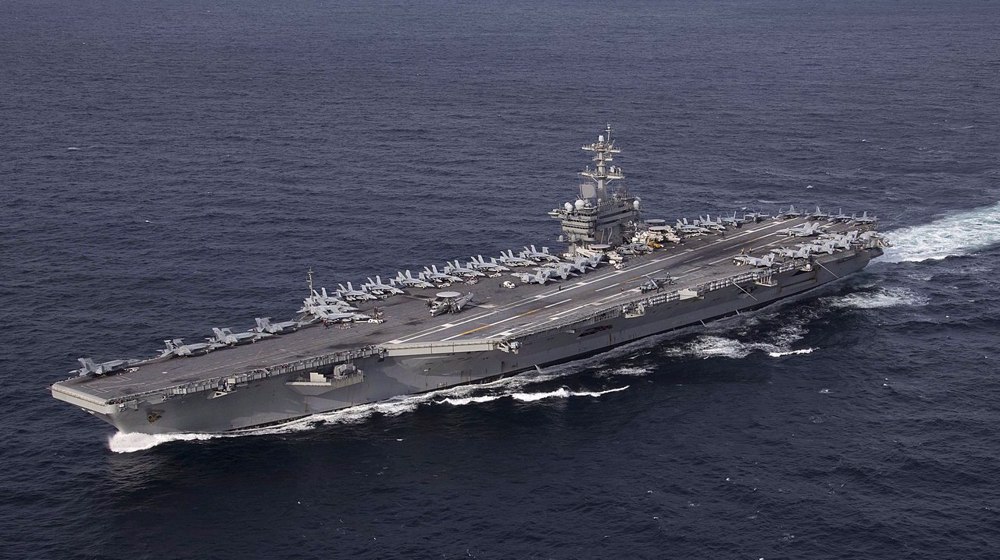
Eight sailors were injured on April 14 when a fire broke out aboard the USS Dwight D. Eisenhower during scheduled maintenance at Norfolk Naval Shipyard in Virginia.
The US Navy confirmed the incident, saying the fire's cause remains under investigation.
The Eisenhower, a Nimitz-class nuclear-powered aircraft carrier, has been docked at the Virginia shipyard for 16 months undergoing a Planned Incremental Availability maintenance period.
The incident follows a far more serious fire aboard the USS Gerald R. Ford — the Navy's largest and most advanced supercarrier — just one month earlier.
That fire reportedly took nearly 30 hours to contain, left more than 600 sailors without beds, and forced the $13 billion vessel to retreat to Souda Bay, Greece for repairs.
The timing of these incidents is significant. Both carriers were operating in or near the West Asia theater amid the US-Israeli joint terrorist war against Iran.
The Pentagon initially downplayed the Ford incident as a "non-combat-related fire in the ship's main laundry area," a characterization the Islamic Revolution Guards Corps (IRGC) dismissed as "absurd."
"The presence of the aircraft carrier in the Red Sea made it a legitimate target for the Iranian armed forces," the IRGC stated following the Ford's withdrawal, suggesting the vessel's retreat was combat-related rather than accidental.
IRGC: USS Gerald Ford's retreat exposes 'hollowness' of American military power https://t.co/vLdlPtQMiI
— Press TV 🔻 (@PressTV) March 20, 2026
The Eisenhower fire represents a deeper crisis facing US naval power projection. According to reports from the region, American forces have suffered substantial losses since operations began on February 28:
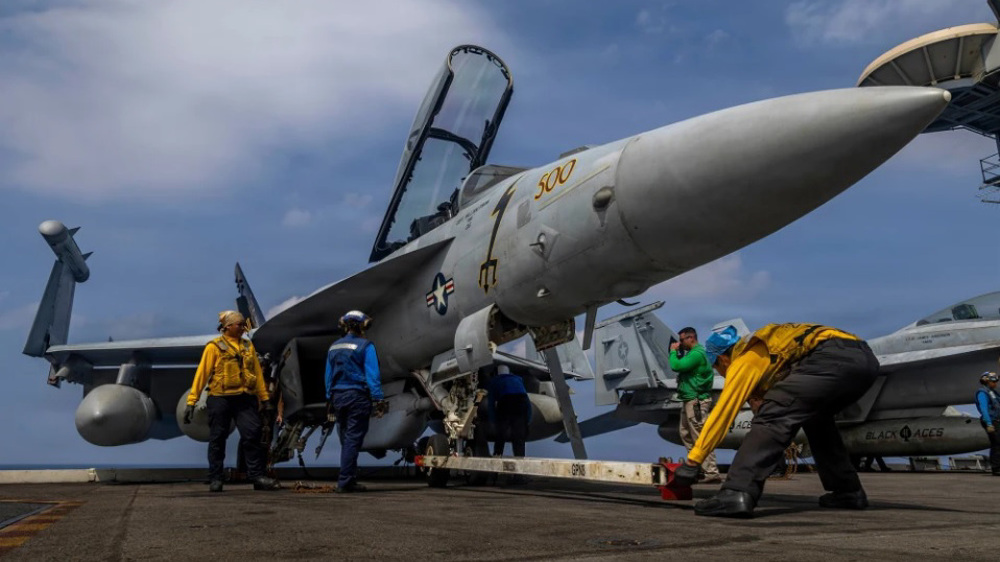
Approximately 16 aircraft — including fighter jets, drones, and refueling platforms — have been crashed or downed.
An MQ-4C Triton surveillance drone, valued at $245 million, crashed in the Persian Gulf on April 9 after declaring an in-flight emergency over the Strait of Hormuz.
Last month, US President Donald Trump admitted that the USS Gerald Ford came under a coordinated 17-angle attack by Iranian armed forces in the Red Sea.
“They were here, they were there. We ran for our lives, it was over,” Trump said, citing one of his Navy commanders who was on board at the time the warship came under attack.
Iran’s armed forces have previously reported successful drone and missile strikes against another US carrier, the USS Abraham Lincoln.
More broadly, the war has exposed the limits of American military endurance. The USS Gerald R. Ford is now entering its 10th month of deployment — twice the length of a normal carrier deployment — with sailors reportedly enduring dysfunctional toilets, no clean laundry, and sleeping on floors.
Iran's military doctrine appears deliberately designed to exploit these vulnerabilities. Senior Iranian officials have explicitly threatened US naval assets in the region's narrow waterways.
"These ships of yours will be sunk by our first missiles," warned Mohsen Rezaei, a senior military adviser to Leader of the Islamic Revolution, speaking on national television. He specifically cited the Strait of Hormuz as a zone where US warships are "in great danger" from coastal defenses.
IRGC forces ready for USS Gerald Ford to reach ‘designated perimeter’: Cmdr.https://t.co/1G5SOjarng
— Press TV 🔻 (@PressTV) March 8, 2026
Defense officials warn that the war is draining American ammunition stockpiles — including Patriot, THAAD, and Tomahawk missiles — at rates exceeding production capacity. Rebuilding these reserves could take years.
"The US military, the most vital, indispensable pillar upholding American hegemony, now appears to be approaching some kind of breaking point," noted one analysis, highlighting that "ships get tired too" after prolonged deployments.
With estimates suggesting the war could cost up to $1 billion daily and the Pentagon potentially requesting $200 billion in emergency funding, questions about sustainability are mounting.
The US navy has long relied on the psychological deterrent of its carrier strike groups, but its two major vessels sidelined by fires in as many months signals that the world's most expensive military is crumbling under the grind of war.
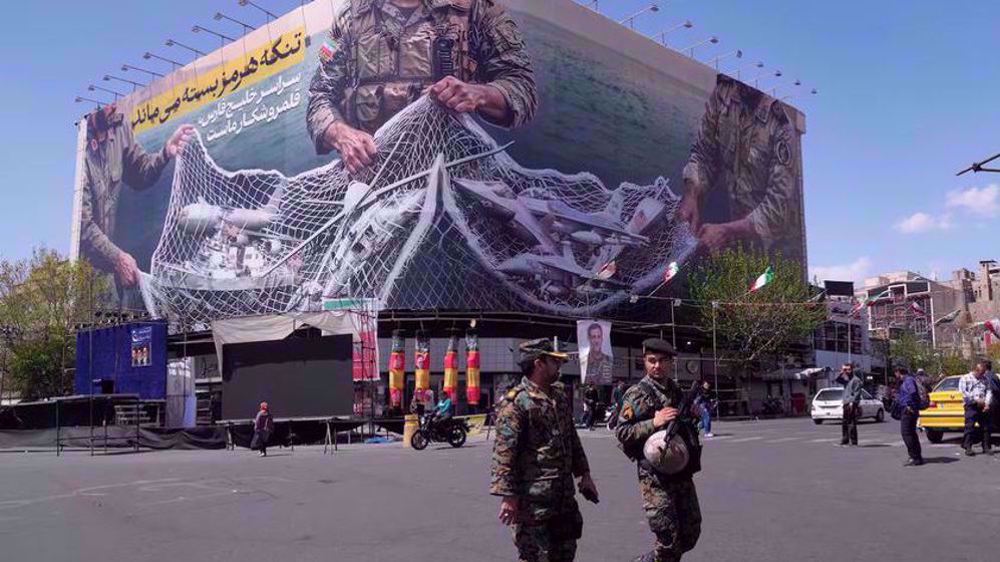
Iranian armed forces inflicted ‘serious damage’ on US warships: Senior commander
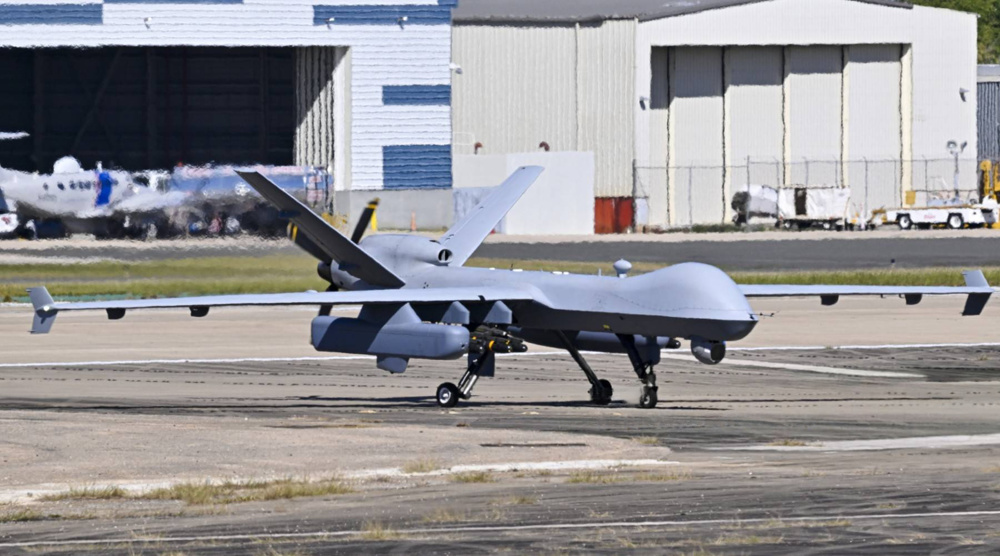
Iran downs 52nd US MQ-9 drone over Qeshm Island in latest blow
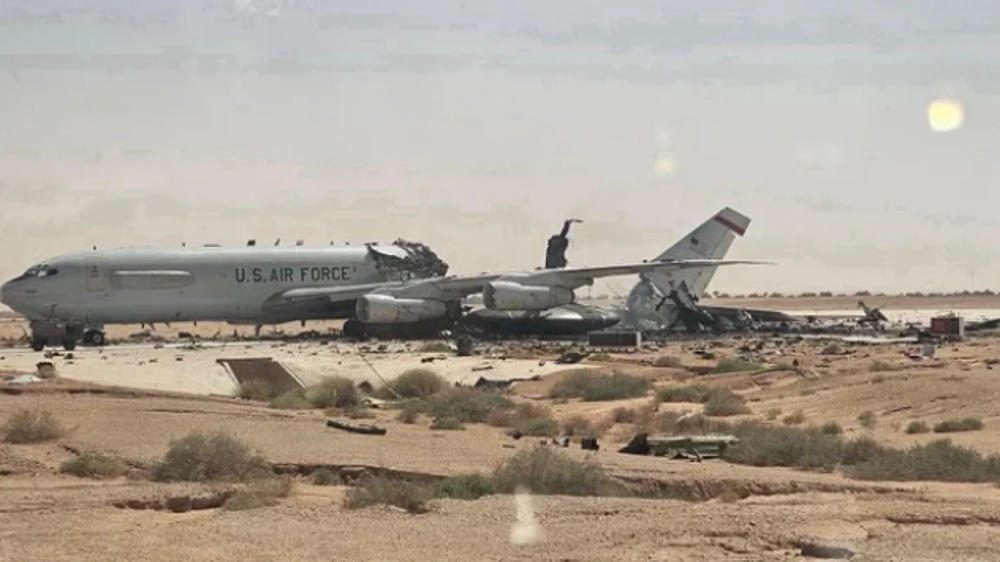
New photos reveal Iranian strikes inflicted extensive damage to US targets in West Asia



Trump bars CNN, MS NOW and Politico from White House for ‘fake news’
Discover Iran: Tabriz, where Iran’s Silk Road legacy meets industry, trade and a new economic future
Sirens blare in Riyadh, across Saudi Arabia amid amid Yemeni retaliatory strikes
New images reveal severe destruction at US base in Kuwait after Iranian strikes
Israeli strike on motorcycle kills Palestinian in Gaza City, injures child
VIDEO | Russians head to polls as 3-day parliamentary elections kick off
VIDEO | South Korean president drops Hormuz deployment plan amid protests
VIDEO | Yemenis slam Saudi claims of targeting holy city of Mecca




 PressTV NEWSLETTER
now
PressTV NEWSLETTER
now
 This makes it easy to access the Press TV website
